
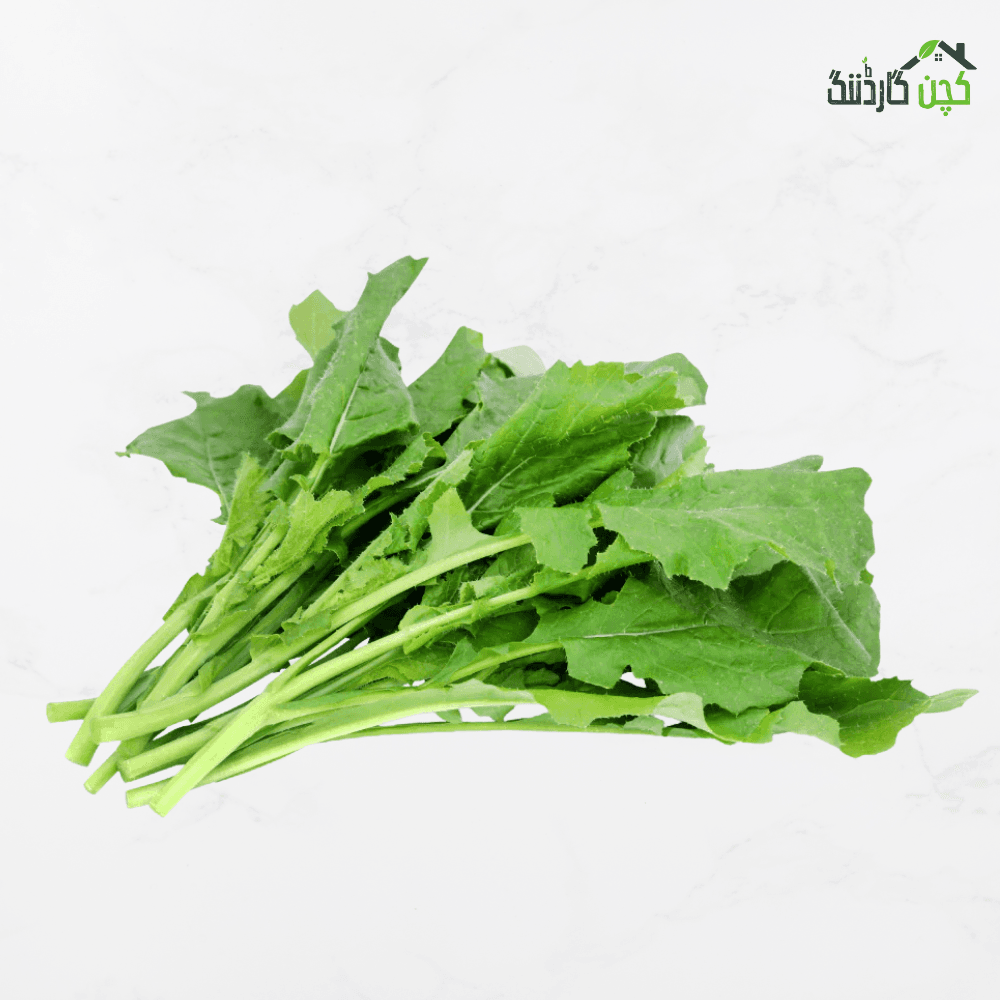
Saag Seeds in Pakistan – Buy Nutrient-Rich Winter Greens Online | kitchengardening.pk (25 Seeds / 50 Seeds / 100 Seeds)
Price range: ₨ 250 through ₨ 750
Grow authentic Punjabi Saag with our premium Saag Seeds. These nutrient-rich mustard greens are perfect for winter gardening in Pakistan.
Description
Saag Seeds Pakistan – Grow Authentic Punjabi Saag with Ease
Saag Seeds are a delightful mix of traditional mustard and leafy greens, perfect for creating authentic Punjabi dishes. Ideal for home gardeners in Pakistan, these seeds are easy to cultivate and thrive in various settings, including balconies, rooftops, and open gardens. Gardeners love them for their rich flavor and nutritional benefits. Reliability comes from our commitment to providing non-GMO seeds that ensure healthy plant growth.
📋 Product Details
| Product Name | Saag Seeds |
| Brand | kitchengardening.pk |
| Pack Sizes | 25 Seeds / 50 Seeds / 100 Seeds |
| Net Weight | 5g |
| Seed Type | Open Pollinated |
| Germination Rate | 90%+ |
| Days to Harvest | 60-80 days |
| Country of Origin | Pakistan |
| WhatsApp Contact | +92-3237299060 |
🛠️ What You Need
- Seeds: 5-10 seeds per pot or 16-20 seeds per square foot.
- Pot Size: Minimum 8-inch pot for each planting.
- Soil Type: Well-draining, loamy soil; available at local nurseries.
- Tools Required: Trowel, spray bottle, watering can, dibber.
- Fertilizer: Use balanced organic fertilizer when the first true leaves appear.
- Optional Supplies: Shade net for intense sunlight, grow light if indoors, drainage pebbles for pot bottom.
- Best Growing Environment: Ideal for backyard, balcony, rooftop, or open field.
📋 Sowing Guide – Step by Step
- Seed Soaking: Soak seeds in water for 4-6 hours to enhance germination.
- Soil Preparation: Prepare the soil mix with organic matter.
- Sowing Depth: Sow seeds at a depth of 0.5-1 cm.
- Spacing: Space seeds 15 cm apart for optimal growth.
- First Watering: Water the soil gently after sowing to avoid displacing seeds.
- Germination Conditions: Maintain a temperature of 15-20°C for best results.
- Thinning: Thin seedlings to prevent overcrowding when they reach 5 cm tall.
- Transplanting: Transplant to larger pots or garden beds after 4-6 weeks.
🪴 Soil Preparation
- Clearing Area: Remove weeds and debris from the planting area.
- Loosening Depth: Loosen soil to a depth of at least 20 cm.
- Drainage Check: Ensure the area drains well to prevent waterlogging.
- Adding Organic Matter: Mix 2 kg of compost per square meter of soil.
- Levelling: Level the soil surface to create an even planting area.
- Pre-Watering: Water the area a day before planting to ensure moisture.
🧪 Soil Mix Formula
- 40% Garden Soil — provides essential minerals and supports root growth.
- 30% Compost — adds nutrients and improves soil texture.
- 20% Coco Peat — enhances moisture retention and aeration.
- 10% Sand — ensures good drainage and prevents soil compaction.
- Target pH range: 6.0-7.0. Mix well before planting.
🌱 Germination & Growth Timeline
- Germination Days: 7-14 days under optimal conditions.
- Ideal Temperature: 15-20°C for best germination.
- Light Needs: Indirect sunlight is suitable during germination.
- Moisture Level: Keep soil consistently moist but not waterlogged.
- Seedling Stage: Lasts about 2-3 weeks, with seedlings ready to thin.
- Vegetative Stage: Takes 4-6 weeks, with rapid leaf growth.
- Flowering Stage: Begins around 6-8 weeks, leading to seed formation.
- Days to First Harvest: Typically 60-80 days from sowing.
📅 Pakistan Planting Calendar
- Punjab (Lahore, Faisalabad, Sargodha, Multan): Best months are November to February.
- Sindh (Karachi, Hyderabad): Plant from November to January.
- KPK (Peshawar, Abbottabad): Ideal from November to February.
- Balochistan (Quetta): Optimal planting in December and January.
- Northern Areas: Plant in late spring (April) to avoid frost.
- Avoid Planting: In May to August due to high temperatures affecting growth.
☀️ Growing Conditions
- Soil pH: Ideal pH is between 6.0-7.0.
- Sunlight: Requires 6-8 hours of sunlight per day for best growth.
- Watering Frequency: Keep soil moist; water every 2-3 days depending on conditions.
- Temperature Range: Thrives at 15-25°C; avoid extreme heat.
- Humidity: Prefer moderate humidity levels of 50-70%.
- Spacing Between Plants: Maintain 15-20 cm between plants for air circulation.
- Minimum Pot Depth: 8-10 inches deep for root development.
🌿 Fertilizer Plan
- Seedling Stage (Week 1-2): Apply a diluted organic fertilizer at half strength.
- Vegetative Stage (Week 3-6): Use a balanced fertilizer every 2-3 weeks.
- Flowering Stage: Switch to a phosphorus-rich fertilizer to encourage blooms.
- Fruiting Stage: Use a potassium-rich fertilizer to support fruit development.
- Avoid: Over-fertilizing, which can harm plants and reduce yields.
🌼 Companion Plants & Crops
- Plantain (Banana): Helps improve soil fertility.
- Garlic (Lehsun): Acts as a natural pest repellent.
- Chili Peppers (Mirch): Enhances flavor and deters pests.
- Spinach (Palak): Similar growing requirements and maximizes space.
- Carrots (Gajar): Their roots help aerate the soil.
- Avoid Planting: Potatoes (Aloo): Competes for nutrients and space.
- Tomatoes (Tamatar): Can attract similar pests and diseases.
- Cabbage (Band Gobi): Increases the risk of shared pests.
✂️ Harvesting & Fruiting Period
- Days from Sowing to Harvest: 60-80 days depending on conditions.
- Visual Signs of Readiness: Leaves are full-sized and vibrant green.
- Best Time of Day to Harvest: Early morning for optimal freshness.
- Tool/Technique: Use scissors or garden shears to cut leaves cleanly.
- Harvest Frequency: Harvest regularly, about every 1-2 weeks.
- How Many Harvests per Season: You can expect 2-3 harvests per season.
- Post-Harvest Handling and Storage: Store in a cool place or refrigerator to keep fresh for a week.
🗓 Care & Maintenance Schedule
- Week 1-2: Water every 2-3 days and check for pests.
- Week 3-4: Fertilize with balanced nutrient solution and monitor growth.
- Month 2: Begin thinning seedlings and ensure proper spacing.
- Month 3+: Continue regular watering, check for pests, and fertilize as needed.
🏠 Indoor vs Outdoor Growing
- Indoor/Balcony: Requires at least 4-6 hours of sunlight; use pots with drainage.
- Outdoor/Garden: Needs 6-8 hours of sunlight; spacing should be 15-20 cm apart for optimal growth.
- Rooftop: Ensure pots have good drainage; consider heat-tolerant varieties for summer months.
📦 Seed & Produce Storage
- Seed Storage: Store in a cool, dry container, ideally in a refrigerator; shelf life is about 2 years.
- Harvested Produce Storage: Keep in the fridge; Saag can last up to 7 days.
- Drying/Preserving: For long-term storage, consider blanching and freezing the leaves.
⚠️ Precautions
- Ensure good airflow around plants to prevent mildew.
- Avoid overwatering to prevent root rot.
- Regularly inspect for pests and diseases.
- Use organic methods wherever possible to maintain soil health.
- Rotate crops annually to avoid soil depletion.
- Protect young plants from extreme temperatures with shade cloth.
✅ Key Benefits
- 90%+ Germination Rate — These seeds are treated and tested to ensure a high germination rate, giving you confidence in your garden.
- Rich in Nutrients — Packed with vitamins and minerals, Saag is a great addition to your diet, providing health benefits for you and your family.
- Easy to Grow — These seeds are perfect for beginners and require minimal care, making them ideal for any gardener.
- Versatile Use — Use your fresh Saag in a variety of dishes, from traditional curries to salads.
- Ideal for Winter Gardening — Saag thrives in cooler temperatures, making it perfect for winter gardening in Pakistan.
- Non-GMO Assurance — Our seeds are non-GMO, ensuring you grow healthy and natural greens.
- Suitable for Small Spaces — Perfect for pots and containers, Saag can thrive in limited spaces like balconies and rooftops.
❓ Frequently Asked Questions
- How long does it take for Saag seeds to germinate?
Saag seeds typically germinate within 7-14 days, depending on the temperature and soil conditions. - What is the minimum pot size for growing Saag?
A minimum pot size of 8 inches in diameter is recommended for optimal growth and root development. - When is the best season to plant Saag in Pakistan?
The best season for planting Saag is during the winter months, from November to February, when temperatures are cooler. - What are common problems when growing Saag?
Common issues include pests like aphids and diseases like downy mildew. Regular monitoring and proper care can help manage these problems. - Can I grow Saag in partial shade?
Yes, Saag can tolerate partial shade but will thrive best in full sunlight for at least 6 hours a day.
🌱 Free Gardening Consultation
If you have questions about growing Saag or need gardening tips, feel free to contact us at +92-3237299060 for a friendly consultation.
Additional information
| size | 100 Seeds Per Pack, 25 Seeds Per Pack, 50 Seeds Per Pack |
|---|
Only logged in customers who have purchased this product may leave a review.
Related products
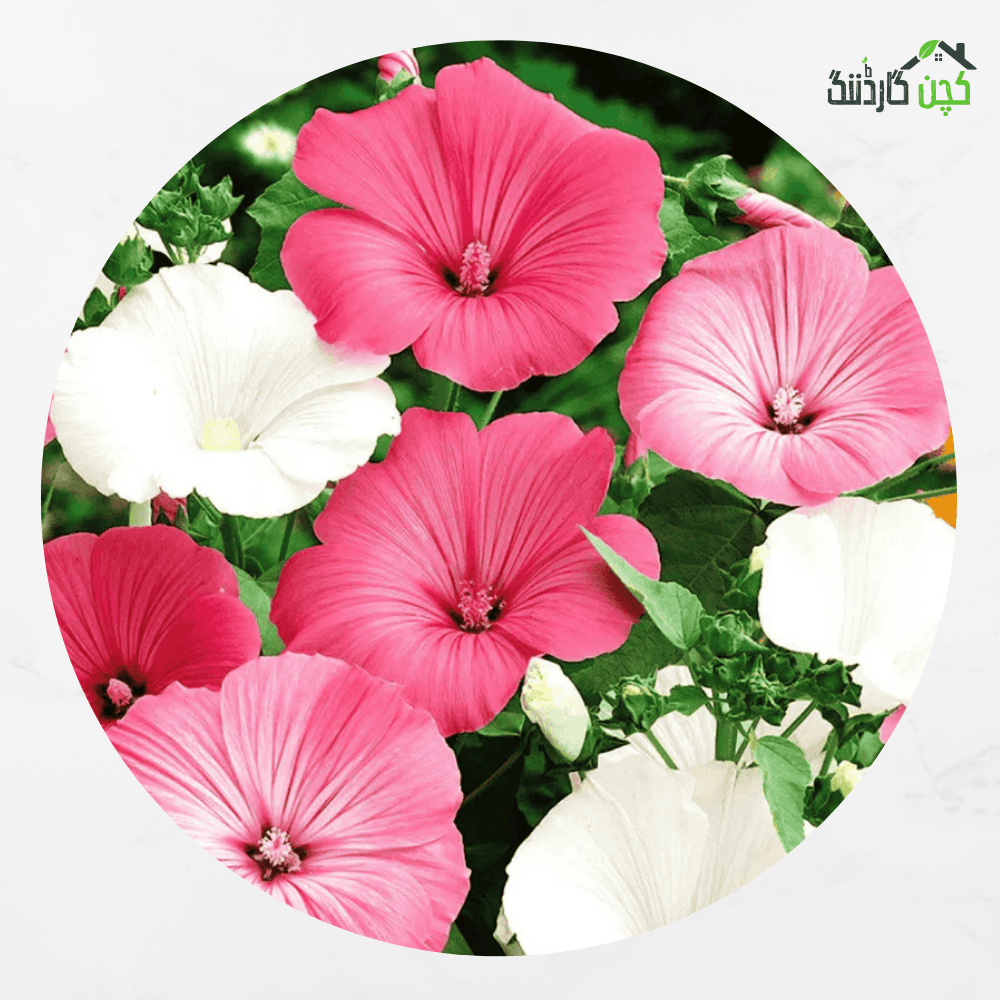
Lavatera Flower Seeds in Pakistan – Buy Fast-Growing Blooms Online | Perfect for Your Garden | kitchengardening.pk (25 Seeds / 50 Seeds / 100 Seeds)
₨ 250 – ₨ 750Price range: ₨ 250 through ₨ 750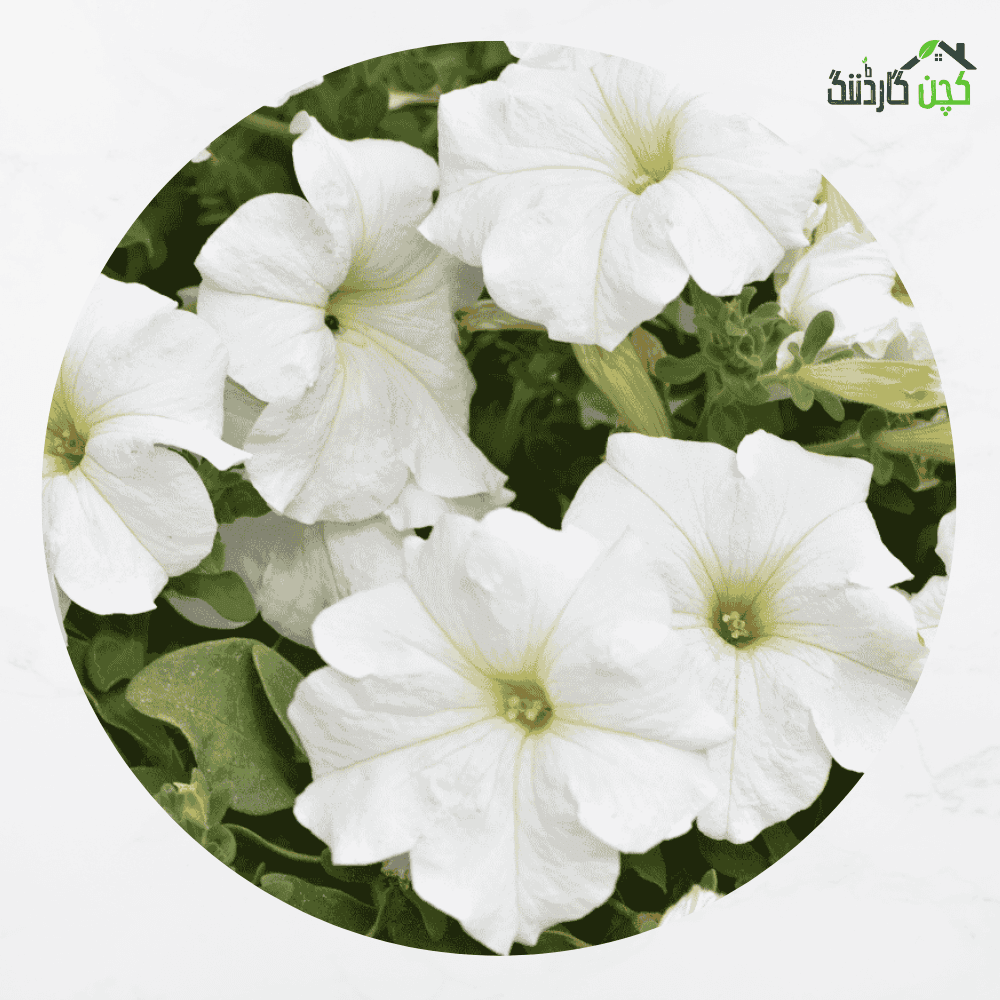
Petunia White Compact Hybrid Flower Seeds in Pakistan – Buy Gorgeous Blooms Online | kitchengardening.pk (25 Seeds / 50 Seeds / 100 Seeds)
₨ 250 – ₨ 750Price range: ₨ 250 through ₨ 750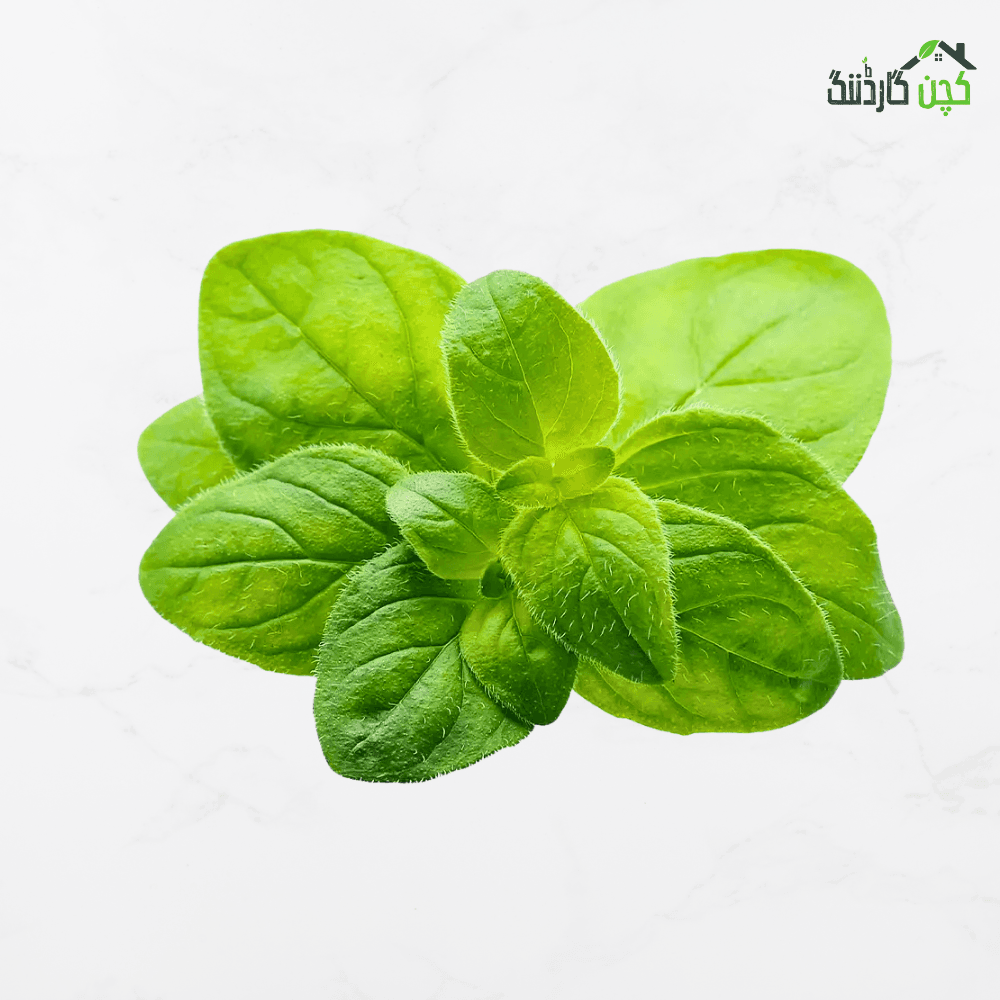
Oregano Herb Seeds in Pakistan – Buy Aromatic Culinary Herb Online | Kitchen Garden | kitchengardening.pk (25/50/100 Seeds)
₨ 250 – ₨ 750Price range: ₨ 250 through ₨ 750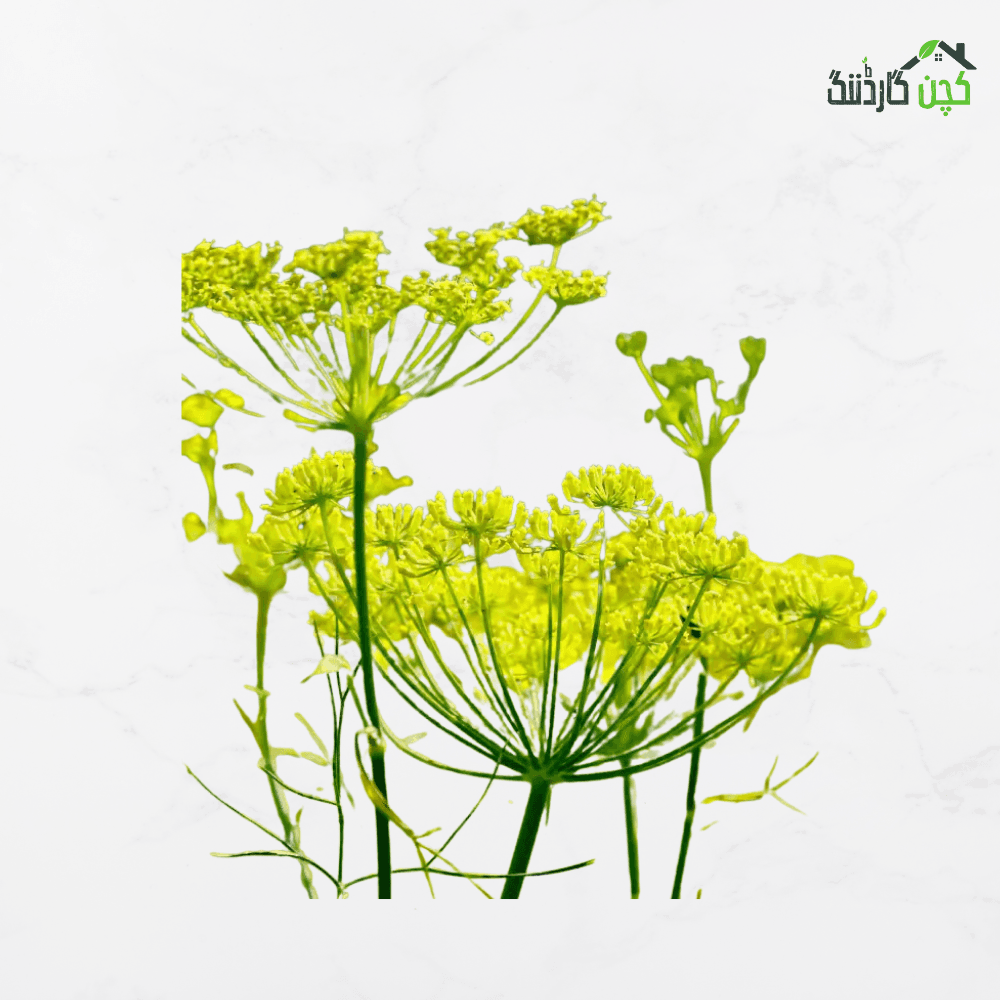
Fennel Herb Seeds in Pakistan – Buy Aromatic & Medicinal Herb Seeds Online | kitchengardening.pk (25/50/100 Seeds)
₨ 250 – ₨ 750Price range: ₨ 250 through ₨ 750
Reviews
There are no reviews yet.