
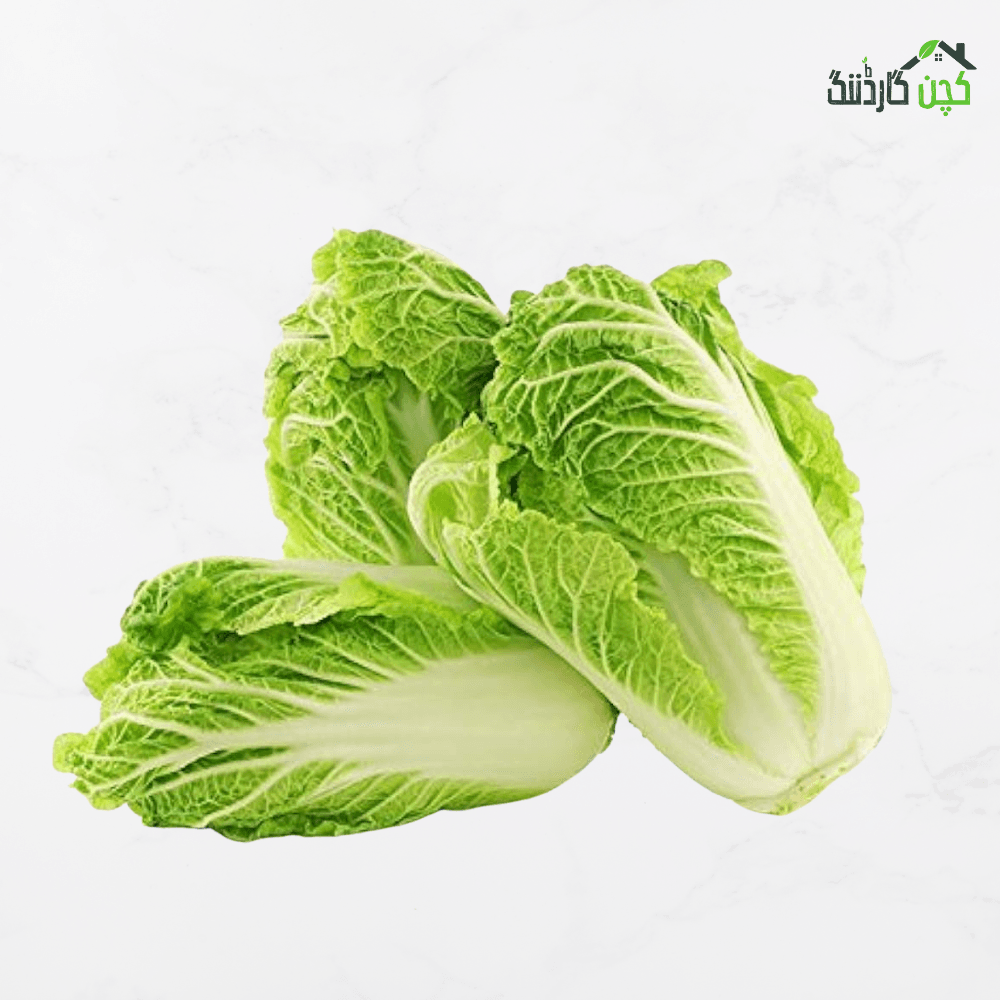
China Cabbage Seeds in Pakistan – Buy Fresh, Nutritious Cabbage Online | kitchengardening.pk (25/50/100 Seeds)
Price range: ₨ 250 through ₨ 750
Buy China Cabbage seeds for your kitchen garden. Enjoy fresh, crunchy Napa cabbage in salads and stir-fries. Perfect for home gardeners in Pakistan.
Description
China Cabbage in Pakistan – Grow Fresh, Nutritious Greens
China Cabbage, also known as Napa Cabbage, is a versatile leafy vegetable that adds crunch and flavor to your salads and stir-fries. Ideal for home gardeners in Pakistan, these seeds are open-pollinated and non-GMO, ensuring reliable growth. You can grow this cabbage in pots, containers, or open gardens, making it perfect for balconies or rooftops. With high germination rates and a short time to harvest, you will enjoy fresh greens in no time.
📋 Product Details
| Product Name | China Cabbage (Napa Cabbage) Seeds |
| Brand | kitchengardening.pk |
| Pack Sizes | 25 Seeds / 50 Seeds / 100 Seeds |
| Net Weight | 5g |
| Seed Type | Open Pollinated |
| Germination Rate | 90%+ |
| Days to Harvest | 60-70 days |
| Country of Origin | China |
| WhatsApp Contact | +92-3237299060 |
🛠️ What You Need
- Seeds Needed: 2-3 seeds per pot or 10-12 seeds per square foot.
- Minimum Pot Size: 8-inch pot minimum for adequate growth.
- Soil Type: Well-draining, organic soil. You can purchase it from local gardening stores.
- Tools Required: Trowel, spray bottle, watering can, and dibber for planting.
- Fertiliser: Use a balanced organic fertiliser, applied 2 weeks after sowing.
- Best Suited For: Backyard, balcony, rooftop, or open field gardening.
📋 Sowing Guide – Step by Step
- **Soak Seeds** Soak seeds in water for 4-6 hours before sowing to enhance germination.
- **Prepare Soil** Mix organic matter into the soil for nutrients and drainage.
- **Sowing Depth** Sow seeds at a depth of 1-2 cm for optimal growth.
- **Spacing** Space seeds 20-25 cm apart in rows for proper air circulation.
- **First Watering** Water gently after sowing to keep the soil moist but not soggy.
- **Germination Conditions** Maintain a temperature of 15-20°C and keep the soil consistently moist.
- **Thinning** Thin seedlings to 30 cm apart once they have 2-3 true leaves.
- **Transplanting** Transplant seedlings when they are 15-20 cm tall, ensuring they are well-watered.
🪴 Soil Preparation
- Clearing Area: Remove weeds and debris from the planting area.
- Loosening Depth: Loosen the soil to a depth of 15 cm to improve aeration.
- Drainage Check: Ensure the area drains well by testing with water.
- Adding Organic Matter: Incorporate 2-3 kg of compost or well-rotted manure per square meter.
- Levelling: Level the soil surface to avoid water pooling.
- Pre-Watering: Pre-water the area before planting to help settle the soil.
🧪 Soil Mix Formula
- 50% Garden Soil — provides base structure and nutrients.
- 30% Compost — enriches soil with organic matter and improves fertility.
- 20% Perlite — enhances drainage and aeration for healthy root growth.
- Target pH range: 6.0-6.8.
- Mix thoroughly before planting to ensure even distribution.
🌱 Germination & Growth Timeline
- Germination Days: 7-14 days for seed germination.
- Ideal Temperature: 15-20°C is optimal for germination.
- Light Needs: Seeds require indirect sunlight during germination.
- Moisture Level: Keep the soil consistently moist, but not waterlogged.
- Seedling Stage: Lasts 2-3 weeks until true leaves appear.
- Vegetative Stage: Lasts 4-5 weeks; ensure adequate watering and nutrients.
- Flowering: Begins after 6 weeks; watch for flower stalks.
- Days to First Harvest: Approximately 60-70 days from sowing.
📅 Pakistan Planting Calendar
- Punjab (Lahore, Faisalabad, Sargodha, Multan): Best months are September to October and February to March.
- Sindh (Karachi, Hyderabad): Best months are September to October and February to March.
- KPK (Peshawar, Abbottabad): Best months are September to October and February to March.
- Balochistan (Quetta): Best months are September to October.
- Northern Areas: Best months are March to April.
- Avoid Planting In: May to August due to high temperatures which can cause bolting.
☀️ Growing Conditions
- Soil pH: Ideal pH range 6.0-6.8 for optimal growth.
- Sunlight Hours/Day: 6-8 hours of sunlight is preferred.
- Watering Frequency: Water every 2-3 days, ensuring soil remains moist.
- Temperature Range: Minimum 10°C; maximum 25°C for healthy growth.
- Humidity: Moderate humidity is best for growing conditions.
- Spacing Between Plants: 30 cm apart for proper growth.
- Minimum Pot Depth: 8-10 inches for adequate root space.
🌿 Fertilizer Plan
- Seedling Stage (Week 1-2): Apply a diluted organic fertiliser at half strength.
- Vegetative Stage (Week 3-6): Apply a balanced fertiliser every 2 weeks.
- Flowering Stage: Switch to a high potassium fertiliser to promote flowering.
- Fruiting Stage: Continue with potassium-rich fertiliser to enhance fruit quality.
- What to Avoid: Over-fertilising can lead to nutrient burn and poor plant health.
🌼 Companion Plants & Crops
- Carrots: Helps with soil aeration and repels certain pests.
- Onions: Their scent deters aphids and other harmful insects.
- Beets: Both vegetables thrive in similar conditions and can share space.
- Radishes: Quick-growing and can be harvested before cabbage matures.
- Lettuce: Shares similar growing conditions and can be harvested early.
- Tomatoes: Avoid, as they can compete for nutrients and attract pests.
- Potatoes: Avoid, as they can harbor pests that may harm cabbage.
- Kale: Avoid, as they can compete for the same resources and attract similar pests.
✂️ Harvesting & Fruiting Period
- Days from Sowing to Harvest: Approximately 60-70 days.
- Visual Signs of Readiness: Cabbage heads should be firm and full.
- Best Time of Day to Harvest: Early morning when temperatures are cooler.
- Tool/Technique: Use a sharp knife to cut the head cleanly at the base.
- Harvest Frequency: One main harvest, but leaves can be harvested individually if desired.
- Post-Harvest Handling: Store in a cool place or refrigerator for up to 1 week.
🗓 Care & Maintenance Schedule
- Week 1-2: Water daily and monitor for pests.
- Week 3-4: Fertilize with a balanced organic fertiliser and keep soil moist.
- Month 2: Continue pest management and regular watering.
- Month 3+: Harvest and enjoy your crop; monitor for any late pests.
🏠 Indoor vs Outdoor Growing
- Indoor/Balcony: Requires at least 6 hours of indirect sunlight; ideal for small spaces.
- Outdoor/Garden: Requires more space; can yield larger crops; regular watering is necessary.
- Rooftop: Must manage heat; use larger containers to retain moisture better.
📦 Seed & Produce Storage
- Seed Storage: Store seeds in a cool, dry place in an airtight container; shelf life is 2-3 years.
- Harvested Produce Storage: Keep harvested cabbage in the fridge; it can last up to 1 week.
- Drying/Preserving: Not applicable for cabbage, but can be pickled or fermented for longer preservation.
✅ Key Benefits
- 90%+ Germination Rate — These seeds are treated and tested to ensure a high germination rate, giving you confidence in your planting efforts.
- Rich in Nutrients — Napa cabbage is packed with vitamins A, C, and K, making it a great addition to your diet.
- Easy to Grow — Suitable for beginners, these seeds thrive in various conditions, ensuring your gardening success.
- Versatile Culinary Use — Perfect for salads, stir-fries, and soups, Napa cabbage adds a delightful crunch to your meals.
- Quick Harvesting — You can enjoy fresh cabbage in just 60-70 days after sowing, perfect for quick gardening gratification.
- Space Efficient — Ideal for balconies and small gardens, you can grow Napa cabbage in pots or containers with limited space.
- Heirloom Variety — As an heirloom seed, it retains its genetic diversity, making it a reliable choice for sustainable gardening.
❓ Frequently Asked Questions
- How long does it take for Napa cabbage seeds to germinate?
Napa cabbage seeds typically take about 7-14 days to germinate, depending on the temperature and moisture conditions. - What is the minimum pot size for growing Napa cabbage?
A minimum pot size of 8 inches is recommended for growing Napa cabbage to provide adequate space for root development. - When is the best season to plant Napa cabbage in Pakistan?
The best seasons for planting Napa cabbage in Pakistan are spring and autumn, allowing for optimal growth and flavor. - What are some common problems when growing Napa cabbage?
Common problems include pests like aphids and diseases such as downy mildew. Regular monitoring and organic treatments can help manage these issues. - Can I grow Napa cabbage in a small space?
Yes! Napa cabbage is perfect for small spaces, as it can be grown in pots or containers on a balcony or rooftop.
🌱 Free Gardening Consultation
Need help with your gardening? Reach out to us at +92-3237299060 for expert advice and support.
Additional information
| size | 100 Seeds Per Pack, 25 Seeds Per Pack, 50 Seeds Per Pack |
|---|
Only logged in customers who have purchased this product may leave a review.
Related products
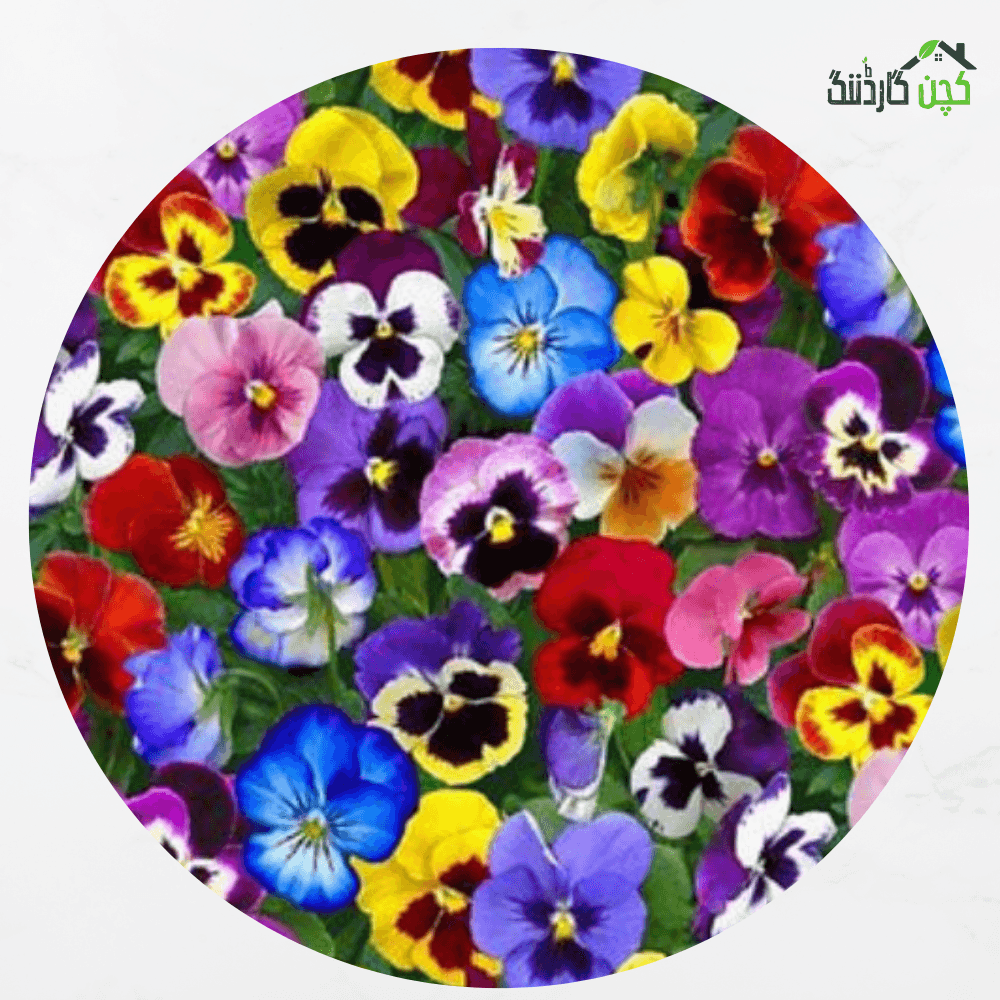
Pansy Viola Mix F1 Hybrid Flower Seeds in Pakistan – Buy Vibrant Winter Blooms Online | Perfect for Pots & Gardens | kitchengardening.pk (Pack Sizes Available)
₨ 250 – ₨ 750Price range: ₨ 250 through ₨ 750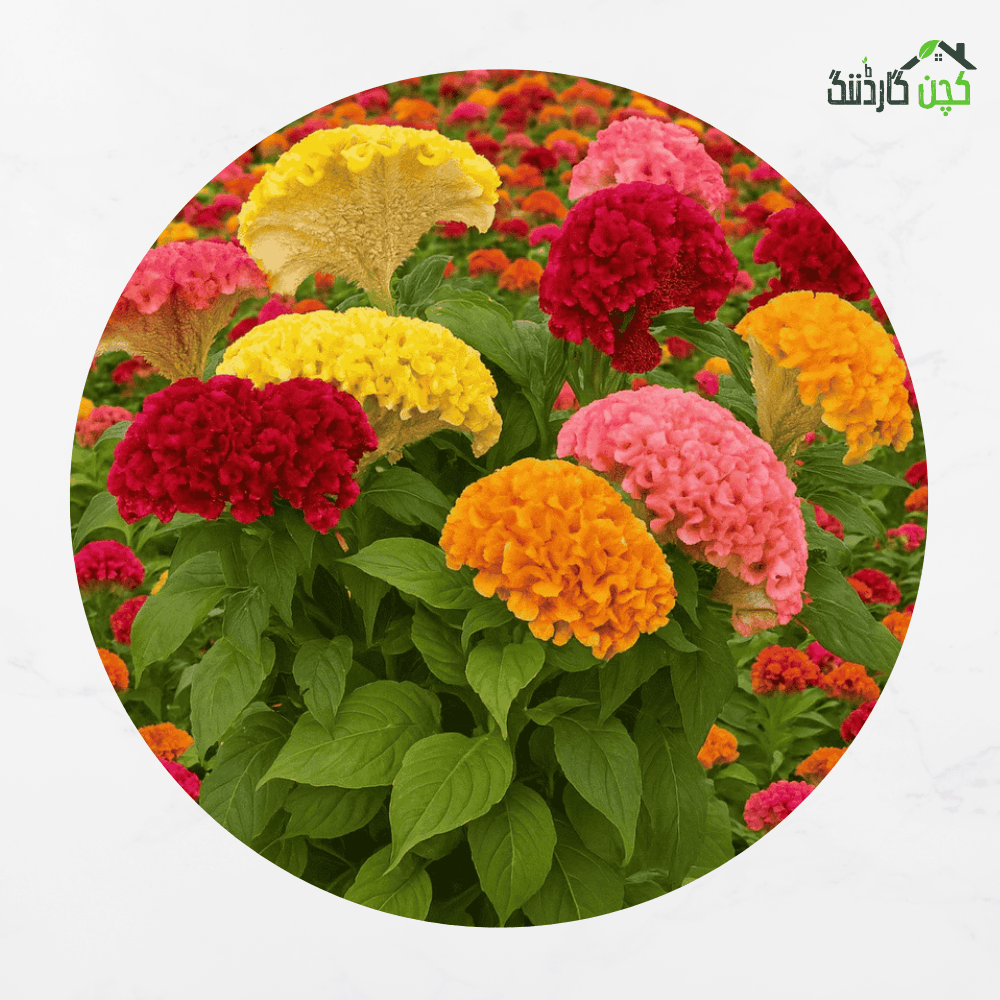
Celosia ‘Cristata Mix’ Seeds in Pakistan – Buy Vibrant Crested Blooms Online | Home Garden | kitchengardening.pk (25/50/100 Seeds)
₨ 250 – ₨ 750Price range: ₨ 250 through ₨ 750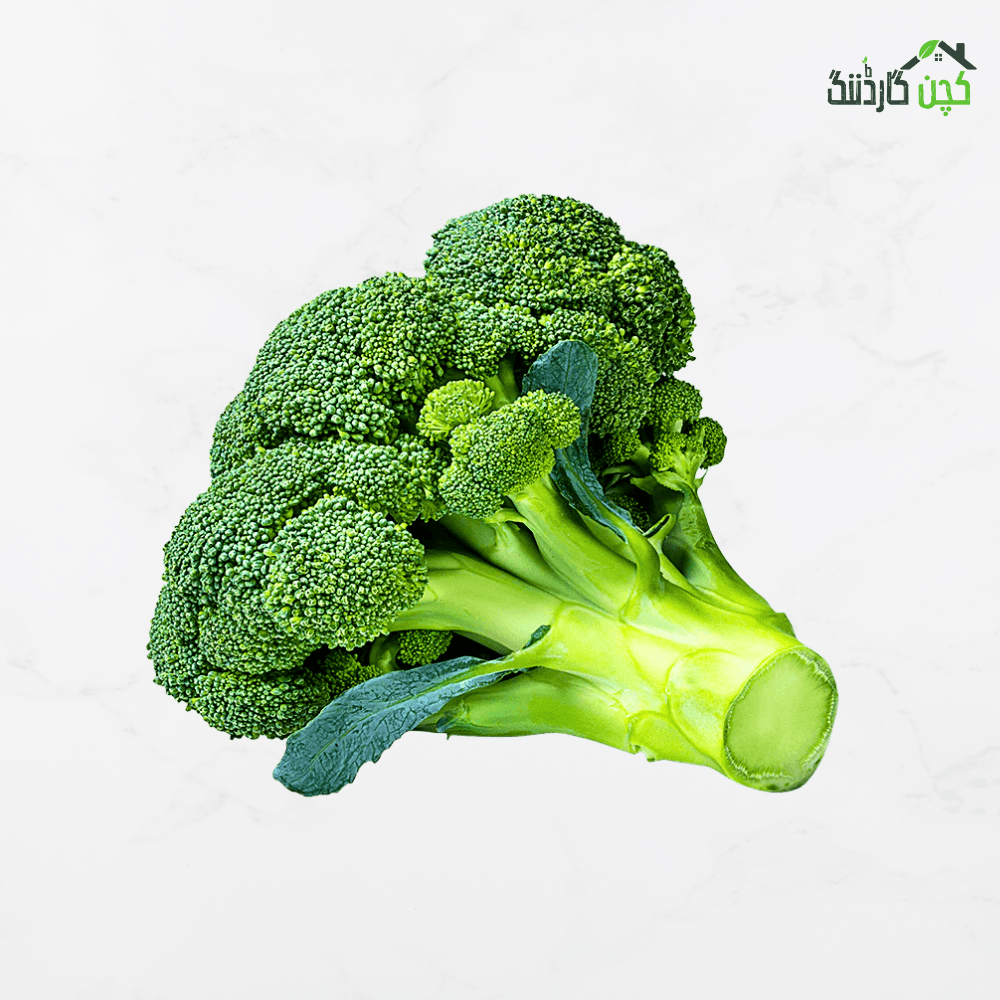
Broccoli Seeds in Pakistan – Buy Nutrient-Rich Broccoli Seeds Online | Perfect for Kitchen Gardens | kitchengardening.pk (25 Seeds / 50 Seeds / 100 Seeds)
₨ 450 – ₨ 1,299Price range: ₨ 450 through ₨ 1,299
Round Brinjal Seeds in Pakistan – Buy Classic Purple Eggplant Online | kitchengardening.pk (25 Seeds / 50 Seeds / 100 Seeds)
₨ 250 – ₨ 750Price range: ₨ 250 through ₨ 750
Reviews
There are no reviews yet.