
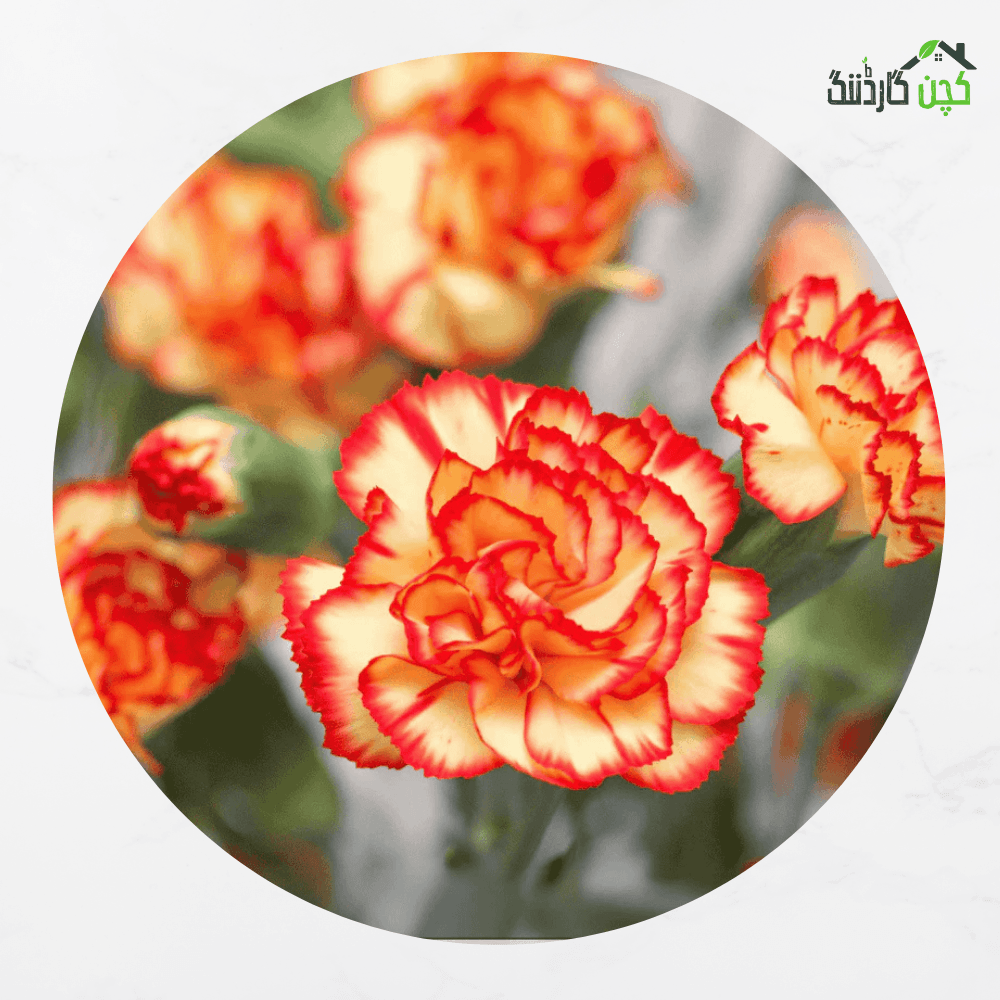
Dianthus Lillipot Orange Bicolour F1 Hybrid Flower Seeds in Pakistan – Buy Reliable Flower Seeds Online | Perfect for Pots & Gardens | kitchengardening.pk (25 Seeds / 50 Seeds / 100 Seeds)
Price range: ₨ 250 through ₨ 750
Grow vibrant Dianthus Lillipot Orange Bicolour F1 flowers that bring a splash of color to your garden. Ideal for pots and balconies, these seeds offer reliability and beauty.
Description
Dianthus Lillipot Orange Bicolour F1 Hybrid Flower Seeds Pakistan – Bright Orange Blooms for Your Garden
Dianthus Lillipot Orange Bicolour F1 seeds are a delightful choice for gardening enthusiasts in Pakistan. These compact flowers boast fiery orange double blooms edged in white, making them a perfect addition to your balcony or rooftop garden. Known for their classic clove fragrance, they serve as beautiful decorative elements and are often gifted during special occasions like weddings and Eid. With a high germination rate and easy care, these seeds are a reliable option for both novice and experienced gardeners.
📋 Product Details
| Product Name | Dianthus Lillipot Orange Bicolour F1 Hybrid Flower Seeds |
| Brand | kitchengardening.pk |
| Pack Sizes | 25 Seeds / 50 Seeds / 100 Seeds |
| Net Weight | 2g |
| Seed Type | F1 Hybrid |
| Germination Rate | 90%+ |
| Days to Harvest | 60-80 days |
| Country of Origin | Netherlands |
| WhatsApp Contact | +92-3237299060 |
🛠️ What You Need
- Seeds: 1-2 seeds per pot.
- Minimum Pot Size: 8-inch pot minimum.
- Soil Type: Well-draining potting mix available at local gardening stores.
- Tools Required: Trowel, spray bottle, watering can, dibber.
- Fertiliser: Balanced fertiliser needed after 2-3 weeks.
- Best Suited For: Balcony, rooftop, or open garden.
📋 Sowing Guide – Step by Step
- **Seed Soaking** Soak seeds in water for 24 hours to enhance germination.
- **Soil Preparation** Prepare a well-draining potting mix.
- **Sowing Depth** Sow seeds at a depth of 0.5 cm.
- **Spacing** Space seeds about 15 cm apart.
- **First Watering** Water gently after sowing to avoid displacing seeds.
- **Germination Conditions** Place in a warm spot with indirect sunlight.
- **Thinning** Thin seedlings to one per pot when they reach 5 cm.
- **Transplanting** Transplant when seedlings have 3-4 true leaves.
🪴 Soil Preparation
- Clearing Area: Clear the planting area of weeds and debris.
- Loosening Depth: Loosen the soil to a depth of 15 cm.
- Drainage Check: Ensure good drainage by digging drainage holes if necessary.
- Adding Organic Matter: Mix in 1-2 cups of compost per pot.
- Levelling: Level the soil surface for even planting.
- Pre-Watering: Water the area before planting to ensure moisture.
🧪 Soil Mix Formula
- 50% Garden Soil — provides base structure and minerals.
- 30% Compost — enriches the soil with nutrients.
- 20% Perlite — ensures good drainage and aeration.
- Target pH range: 6.0-7.0. Mix thoroughly before planting.
🌱 Germination & Growth Timeline
- Germination Days: 7-14 days.
- Ideal Temperature: 18-24°C.
- Light Needs: Bright, indirect light is ideal during germination.
- Moisture Level: Keep the soil consistently moist but not soggy.
- Seedling Stage Days: 14-21 days until true leaves appear.
- Vegetative Stage: 4-6 weeks until plants are ready for transplanting.
- Flowering: Begins 60-80 days after sowing.
- Days to First Harvest: 60-80 days.
📅 Pakistan Planting Calendar
- Punjab (Lahore, Faisalabad, Sargodha, Multan): Best months are March-April and September-October.
- Sindh (Karachi, Hyderabad): Best months are February-March and September-October.
- KPK (Peshawar, Abbottabad): Best months are March-April and September.
- Balochistan (Quetta): Best months are March-April.
- Northern Areas: Best months are May-June.
- Avoid planting in: December-February due to extreme cold.
☀️ Growing Conditions
- Soil pH: 6.0-7.0.
- Sunlight: 6-8 hours of sunlight per day.
- Watering Frequency: Once a week, more frequently in hot weather.
- Temperature Range: Min 15°C, Max 30°C.
- Humidity: Prefers moderate humidity levels.
- Spacing: 15-20 cm between plants.
- Minimum Pot Depth: 8 inches.
🌿 Fertilizer Plan
- Seedling Stage (Week 1-2): Apply diluted liquid fertiliser at half-strength.
- Vegetative Stage (Week 3-6): Apply balanced fertiliser every 2-3 weeks.
- Flowering Stage: Switch to a high-phosphorus fertiliser to promote blooms.
- Fruiting Stage: Regular feeding every 4 weeks.
- Avoid: Over-fertilising, as it can lead to leaf burn.
🐛 Common Pests & Diseases
- Aphids (Aphid): Symptoms include curling leaves and sticky residue. Organic solution: Neem oil spray. Chemical option: Insecticidal soap.
- Powdery Mildew (Powdery Mildew): Symptoms include white powdery spots on leaves. Organic solution: Baking soda solution. Chemical option: Fungicide.
- Spider Mites (Makri): Symptoms include yellowing leaves and webbing. Organic solution: Insecticidal soap. Chemical option: Acaricide.
- Whiteflies (Safed Makri): Symptoms include yellowing leaves and stunted growth. Organic solution: Yellow sticky traps. Chemical option: Insecticide.
- Root Rot (Jadri): Symptoms include wilting and blackened roots. Organic solution: Improve drainage. Chemical option: Fungicide.
🌼 Companion Plants & Crops
- Pansies: Enhance color and attract pollinators.
- Marigolds: Help deter pests and improve overall health.
- Snapdragons: Complement colors and grow well together.
- Calendula: Attract beneficial insects and improve soil health.
- Nasturtiums: Provide a ground cover and attract pollinators.
- Avoid: Tomatoes: They can share pests with Dianthus. Potatoes: Compete for nutrients. Cabbage: Attracts similar pests.
✂️ Harvesting & Fruiting Period
- Days from Sowing to Harvest: 60-80 days.
- Visual Signs of Readiness: Flowers in full bloom and vibrant color.
- Best Time to Harvest: Early morning for optimal freshness.
- Tool/Technique: Use sharp scissors to snip flowers.
- Harvest Frequency: Regularly cut flowers to encourage more blooms.
- Post-Harvest Handling: Store cut flowers in water in a cool place.
🗓 Care & Maintenance Schedule
- Week 1-2: Regularly check moisture levels and thin seedlings if necessary.
- Week 3-4: Monitor for pests and apply fertiliser.
- Month 2: Begin regular watering schedule and check for diseases.
- Month 3+: Maintain watering and fertilising as needed, and inspect for pests weekly.
🏠 Indoor vs Outdoor Growing
- Indoor/Balcony: Needs minimum 6 hours of indirect sunlight, suitable for pots; advantages include easy access and decoration, limitations include limited space.
- Outdoor/Garden: Requires full sun and proper spacing; expected yield is higher with less pest pressure.
- Rooftop: Needs heat-tolerant pots; ensure containers have good drainage and provide shade during peak sun hours.
📦 Seed & Produce Storage
- Seed Storage: Store seeds in a cool, dry place in an airtight container; shelf life is about 2-3 years.
- Harvested Produce Storage: Keep cut flowers in the fridge; they can last about a week.
- Drying: Hang flowers upside down in a dark, dry place if preserving.
⚠️ Precautions
- Ensure adequate drainage to prevent root rot.
- Avoid overcrowding to reduce competition for nutrients.
- Monitor for pests regularly to catch infestations early.
- Water carefully to avoid waterlogging.
- Protect against extreme weather conditions.
- Use organic solutions whenever possible to minimize chemical exposure.
✅ Key Benefits
- Vibrant Colors — These flowers add stunning fiery orange hues to your garden, enhancing its beauty.
- Compact Growth — Ideal for small spaces, these plants grow to a manageable height of 15-20 cm.
- Fragrant Blooms — Enjoy the classic clove scent that these flowers bring to your garden.
- Easy to Grow — With a high germination rate, even beginner gardeners can successfully grow these flowers.
- Seasonal Gifting — Perfect for gifting on occasions such as weddings, Eid, and birthdays.
- Attracts Pollinators — These flowers attract bees and butterflies, aiding in pollination.
- Versatile Usage — Great for pots, borders, and garden beds, enhancing any outdoor space.
❓ Frequently Asked Questions
- What is the germination time for these seeds?
The germination time for Dianthus Lillipot Orange Bicolour F1 seeds is typically between 7 to 14 days under optimal conditions. - What size pot should I use?
A minimum pot size of 8 inches is recommended to ensure adequate space for root growth. - When is the best season to plant these seeds in Pakistan?
The best seasons for planting are Spring and Autumn when the weather is more favorable. - What are some common problems I might face?
Common issues include pests like aphids and diseases such as powdery mildew; however, these can be managed with proper care. - How often should I water these plants?
Watering frequency depends on the climate; typically, keep the soil moist but not waterlogged, adjusting based on rainfall.
🌱 Free Gardening Consultation
For any questions or expert advice on growing Dianthus Lillipot Orange Bicolour F1 seeds, feel free to reach out to us at +92-3237299060.
Additional information
| size | 100 Seeds Per Pack, 25 Seeds Per Pack, 50 Seeds Per Pack |
|---|
Only logged in customers who have purchased this product may leave a review.
Related products
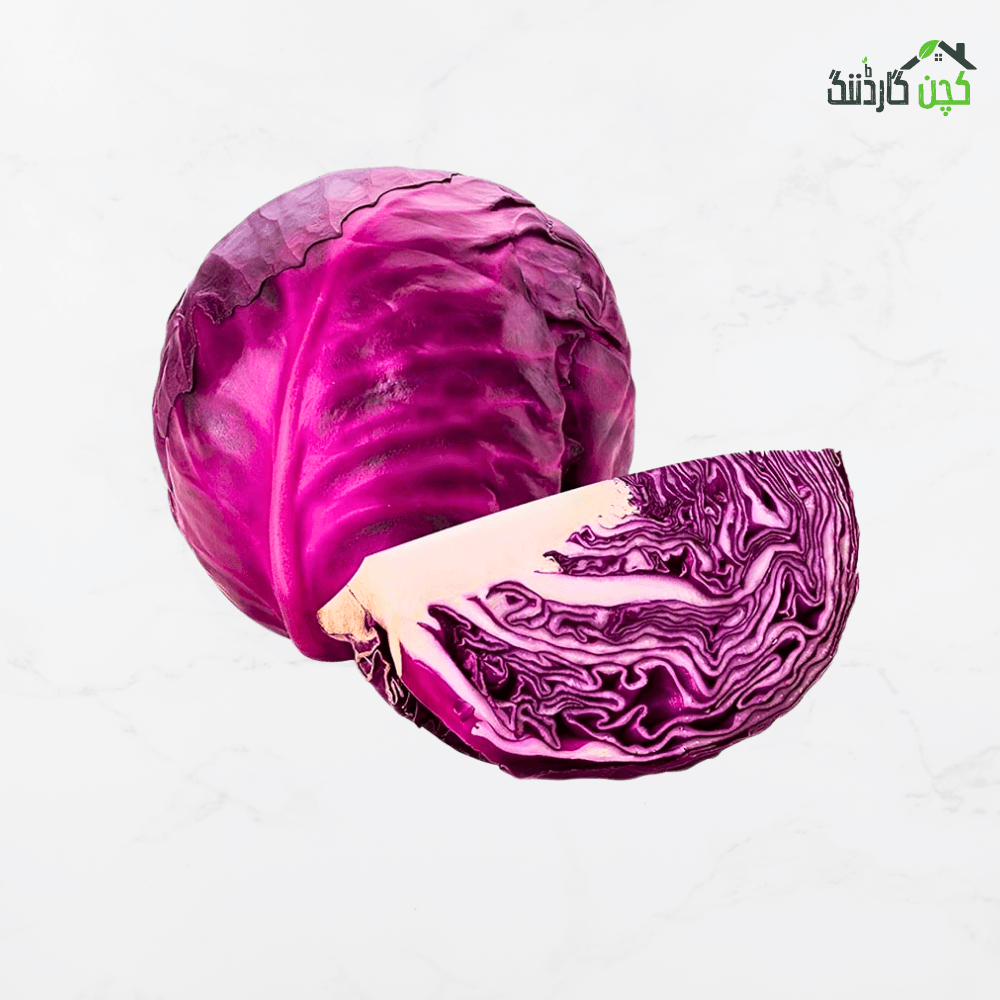
Red Cabbage Seeds in Pakistan – Buy Non-GMO Seeds Online | Perfect for Your Kitchen Garden | kitchengardening.pk (Pack Sizes Available)
₨ 350 – ₨ 999Price range: ₨ 350 through ₨ 999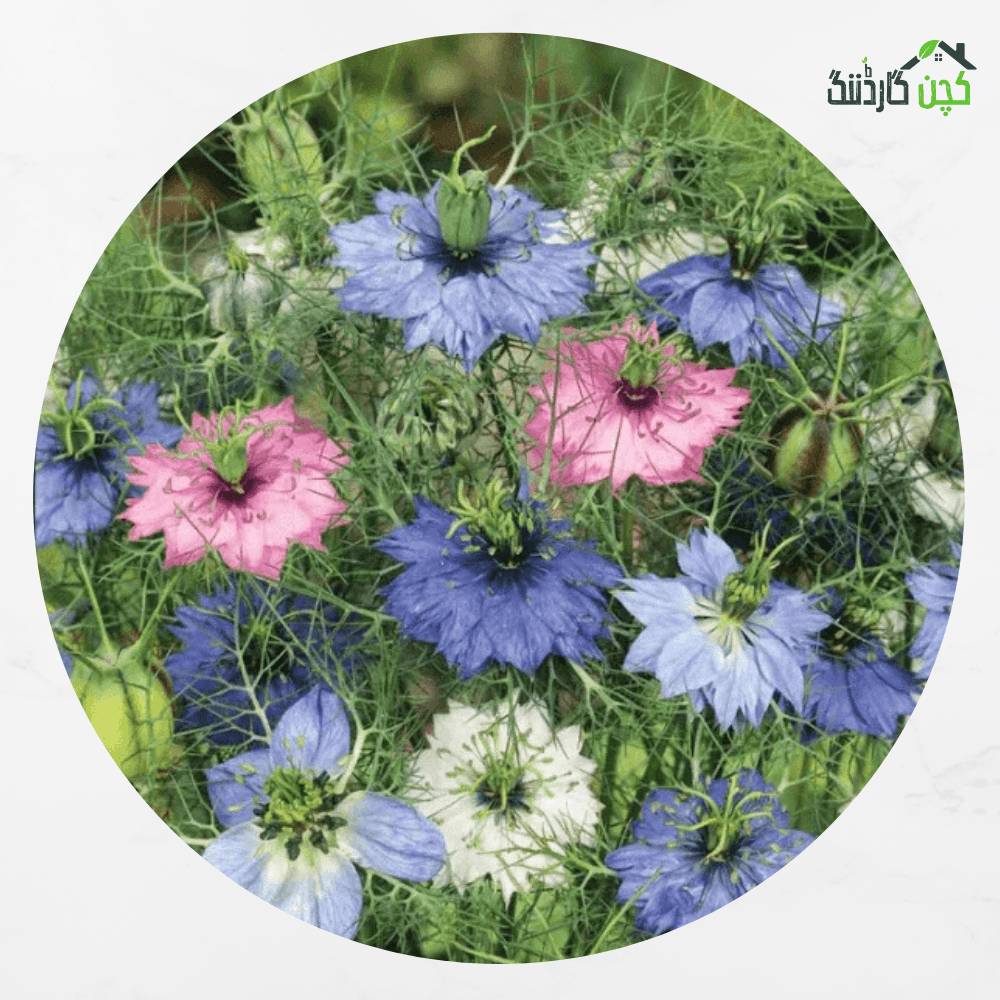
Love in a Mist Flower Seeds in Pakistan – Buy Beautiful Blooms Online | kitchengardening.pk (25/50/100 Seeds)
₨ 250 – ₨ 750Price range: ₨ 250 through ₨ 750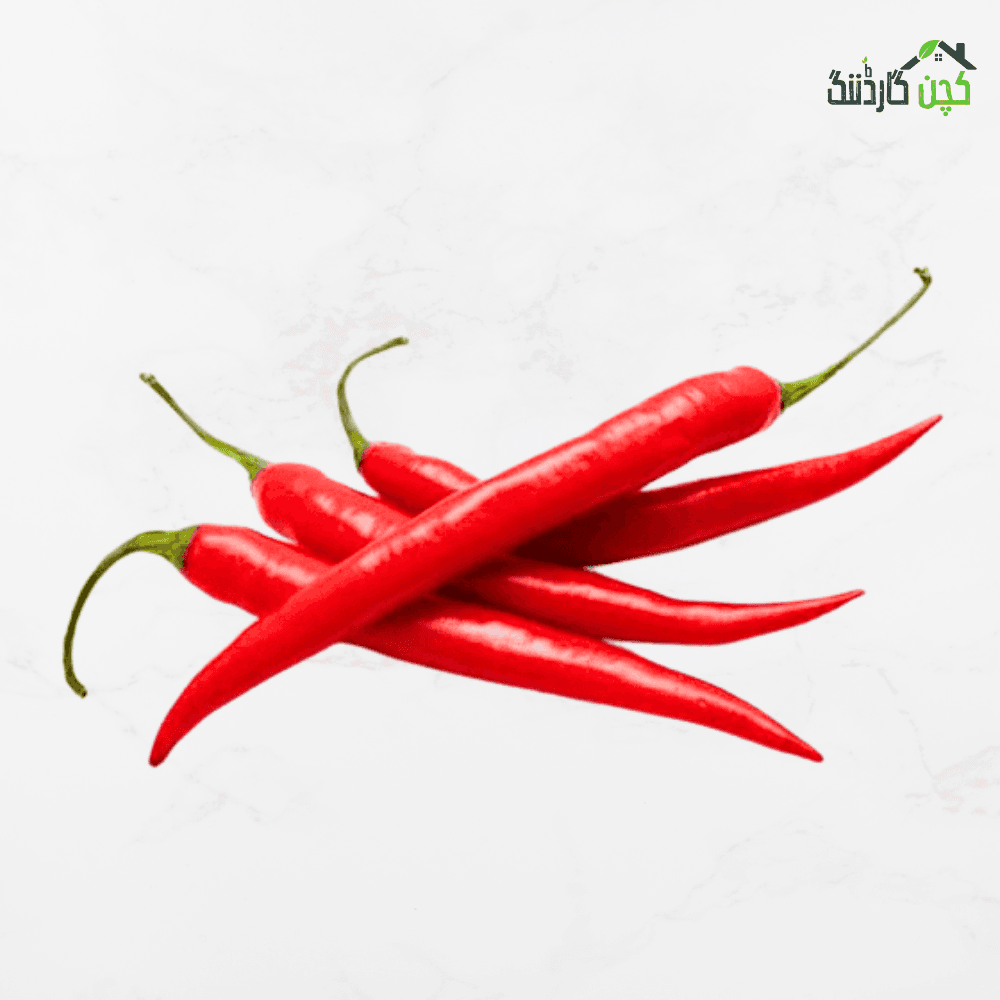
Red Chili Pepper Seeds in Pakistan – Buy Flavorful Lal Mirch Online | kitchengardening.pk (25/50/100 Seeds)
₨ 250 – ₨ 750Price range: ₨ 250 through ₨ 750
Reviews
There are no reviews yet.