
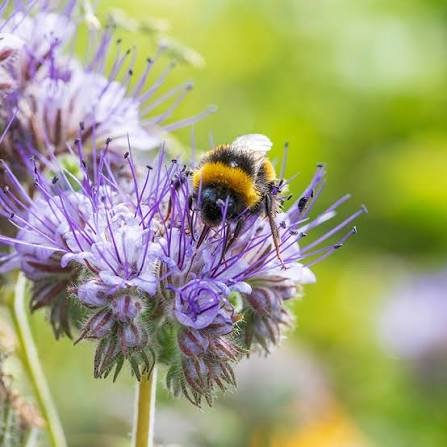
Honey Bee Natural Attractant Flower Seeds in Pakistan – Buy Pollinator-Friendly Seeds Online | kitchengardening.pk (Pack Sizes Available)
Price range: ₨ 350 through ₨ 999
Discover the Honey Bee Natural Attractant Flower Seeds Mix, perfect for attracting beneficial pollinators to your garden. Ideal for Pakistani home gardeners.
Description
Honey Bee Natural Attractant Flower Seeds Pakistan – Grow a Pollinator Paradise
The Honey Bee Natural Attractant Flower Seeds Mix is a carefully selected blend of flowers designed to attract pollinators like bees and butterflies. This mix is perfect for Pakistani home gardeners looking to enhance their gardens while supporting local ecosystems. You can grow these seeds in pots, balconies, or open gardens, making them versatile for any space. With a high germination rate and robust growth, these seeds are a reliable choice for creating a beautiful and productive garden.
📋 Product Details
| Product Name | Honey Bee Natural Attractant Flower Seeds Mix |
| Brand | kitchengardening.pk |
| Pack Sizes | 25 Seeds / 50 Seeds / 100 Seeds |
| Net Weight | 2g |
| Seed Type | Open Pollinated |
| Germination Rate | 90%+ |
| Days to Harvest | 60-80 days |
| Country of Origin | Pakistan |
| WhatsApp Contact | +92-3237299060 |
🛠️ What You Need
- Seeds Needed: About 5-10 seeds per pot or per square foot.
- Minimum Pot Size: 8-inch pot minimum recommended.
- Soil Type: Well-draining potting mix, available at local nurseries.
- Tools Required: Trowel, spray bottle, watering can, dibber.
- Fertilizer: Organic fertilizer needed after 4 weeks of growth.
- Best Suited For: Backyard, balcony, rooftop, or open fields.
📋 Sowing Guide – Step by Step
- **Soak Seeds** Soak the seeds in water for 24 hours to improve germination.
- **Prepare Soil** Fill pots with a well-draining potting mix, ensuring it’s moist but not soggy.
- **Sow Seeds** Plant seeds at a depth of 1-2 cm, ensuring even spacing of 10 cm between seeds.
- **Watering** Gently water the seeds using a spray bottle to avoid disturbing them.
- **Germination Conditions** Place pots in a warm area with indirect sunlight for optimal germination.
- **Thinning** Once seedlings have 2-3 true leaves, thin them to leave the strongest plants.
- **Transplanting** After 4-6 weeks, transplant seedlings to larger pots or directly into the garden with proper spacing.
- **Care** Continue to water regularly and monitor for pests and diseases.
🪴 Soil Preparation
- Clear Area: Remove any debris or weeds from the area before planting.
- Loosening Depth: Loosen the soil to a depth of 15 cm to improve drainage.
- Drainage Check: Ensure the area has good drainage to prevent waterlogging.
- Add Organic Matter: Mix in 1-2 kg of compost per square meter to enhance soil fertility.
- Leveling: Level the soil surface for even planting.
- Pre-Watering: Water the area a day before planting to ensure moisture.
🧪 Soil Mix Formula
- 40% Garden Soil — provides essential nutrients and structure.
- 30% Compost — enriches soil with organic matter and improves fertility.
- 20% Perlite — enhances drainage and aeration in the soil.
- 10% Coco Coir — helps retain moisture without waterlogging.
- Target pH range: 6.0-7.0. Mix thoroughly before planting.
🌱 Germination & Growth Timeline
- Germination Days: 7-14 days on average.
- Ideal Temperature: 20-25°C is ideal for germination.
- Light Needs: Seeds need indirect sunlight during germination.
- Moisture Level: Keep the soil consistently moist but not waterlogged.
- Seedling Stage Days: Seedlings will grow for about 4-6 weeks before transplanting.
- Vegetative Stage: Lasts for 4-6 weeks, during which plants grow foliage.
- Flowering: Begins 8-12 weeks after sowing.
- Days to First Harvest: Approximately 60-80 days from sowing.
📅 Pakistan Planting Calendar
- Punjab (Lahore, Faisalabad, Sargodha, Multan): Best months for planting are March to May and September to October.
- Sindh (Karachi, Hyderabad): Best months are February to April and September to November.
- KPK (Peshawar, Abbottabad): Ideal months are March to May and September to October.
- Balochistan (Quetta): Plant in March to May and September to October.
- Northern Areas: Plant in May to June due to cooler temperatures.
- Avoid planting in: December and January due to cold weather.
☀️ Growing Conditions
- Soil pH: Maintain a pH of 6.0-7.0 for optimal growth.
- Sunlight: Requires 6-8 hours of sunlight per day.
- Watering Frequency: Water once a week, increasing frequency during dry spells.
- Temperature Range: Minimum 15°C, maximum 35°C.
- Humidity: Prefer moderate humidity; avoid extremely dry conditions.
- Spacing Between Plants: Maintain 25-30 cm spacing for optimal growth.
- Minimum Pot Depth: 8-10 inches for adequate root space.
🌿 Fertilizer Plan
- Seedling Stage (Week 1-2): Use a diluted organic fertilizer at 1/4 strength once a week.
- Vegetative Stage (Week 3-6): Apply balanced fertilizer every 2 weeks.
- Flowering Stage: Switch to a bloom fertilizer to encourage flowering.
- Fruiting Stage: Continue using bloom fertilizer until harvest.
- Avoid: Do not over-fertilize, as this can lead to nutrient burn.
🐛 Common Pests & Diseases
- Aphids (Kari Khar): Small insects that cause leaf curling. Use neem oil as an organic solution or insecticidal soap.
- Whiteflies (Safed Makri): White insects that feed on plant sap. Use sticky traps or insecticidal soap for control.
- Powdery Mildew (Safaid Padad): Fungal disease appearing as white spots. Improve air circulation and use sulfur-based fungicides.
- Spider Mites (Makri): Tiny pests that cause stippling on leaves. Increase humidity and use miticides for treatment.
- Root Rot: Caused by overwatering. Ensure good drainage and use a fungicide if needed.
- Leaf Spot: Fungal disease that causes brown spots on leaves. Remove affected leaves and apply fungicides as preventive measures.
🌼 Companion Plants & Crops
- Marigolds: Attracts beneficial insects and repels pests.
- Borage: Improves soil health and attracts pollinators.
- Nasturtium: Acts as a trap crop for aphids, protecting more valuable plants.
- Lavender: Attracts pollinators and has a pleasant scent.
- Thyme: Enhances flavors of nearby plants and attracts beneficial insects.
- Avoid planting: Cabbage – can attract shared pests. Tomatoes – can lead to competition for nutrients. Potatoes – susceptible to similar diseases.
✂️ Harvesting & Fruiting Period
- Days from Sowing to Harvest: Approximately 60-80 days.
- Visual Signs of Readiness: Flowers should be vibrant and fully open.
- Best Time of Day to Harvest: Early morning when flowers are fresh.
- Tool/Technique: Use scissors to cut stems cleanly.
- Harvest Frequency: Harvest weekly during peak flowering.
- Post-Harvest Handling: Store in a cool, dry place or refrigerate to extend freshness.
🗓 Care & Maintenance Schedule
- Week 1-2: Water regularly, ensure soil remains moist but not soggy.
- Week 3-4: Monitor for pests and diseases; thin seedlings.
- Month 2: Apply organic fertilizer to promote growth.
- Month 3+: Ongoing routine includes regular watering, pest inspection, and deadheading flowers.
🏠 Indoor vs Outdoor Growing
- Indoor/Balcony: Requires at least 4 hours of sunlight daily; use containers with drainage holes. Great for limited spaces but may yield less.
- Outdoor/Garden: Requires full sun and ample space for optimal growth; higher yield potential. Water needs increase with outdoor conditions.
- Rooftop: Ensure containers are insulated from heat; use larger pots to retain moisture and prevent overheating.
📦 Seed & Produce Storage
- Seed Storage: Store in a cool, dry container away from direct sunlight; can last for 2-3 years.
- Harvested Produce Storage: Keep in the fridge for 1-2 weeks; room temperature is suitable for short-term.
- Drying/Preserving: For herbs, dry in a well-ventilated area and store in airtight containers.
✅ Key Benefits
- High Germination Rate — With a germination rate of 90%+, you can expect most of your seeds to sprout, ensuring a lush garden.
- Attracts Pollinators — This mix is specifically designed to attract bees and other pollinators, essential for a thriving ecosystem.
- Versatile Growing Options — These seeds can be grown in pots, containers, or open gardens, making them perfect for various spaces.
- Supports Local Biodiversity — By planting these flowers, you contribute to the local ecosystem and support the population of beneficial insects.
- Easy to Grow — These seeds require minimal care, making them ideal for beginner and experienced gardeners alike.
- Seasonal Beauty — Enjoy vibrant flowers throughout the growing season, enhancing the beauty of your garden.
- Culinary Use — Some flowers in this mix are edible, adding beauty and flavor to your dishes.
❓ Frequently Asked Questions
- How long does it take for the seeds to germinate?
The seeds typically germinate within 7-14 days under ideal conditions. Ensure that they are kept moist for optimal growth. - What size pot do I need for planting these seeds?
A minimum pot size of 8 inches is recommended for growing these flowers. This allows enough space for root development. - When is the best season to plant these seeds in Pakistan?
The best season for planting these seeds is during the spring and autumn months when temperatures are moderate and conducive to growth. - What are some common problems I might face?
Common problems include pests like aphids and diseases such as powdery mildew. Regular inspections and organic treatments can help manage these issues. - Can I grow these flowers indoors?
Yes, you can grow these flowers indoors as long as they receive sufficient sunlight and are kept in well-draining pots.
🌱 Free Gardening Consultation
For personalized gardening advice, feel free to contact us at +92-3237299060. We’re here to help you succeed in your gardening journey!
Additional information
| size | 100 Seeds Per Pack, 25 Seeds Per Pack, 50 Seeds Per Pack |
|---|
Only logged in customers who have purchased this product may leave a review.
Related products
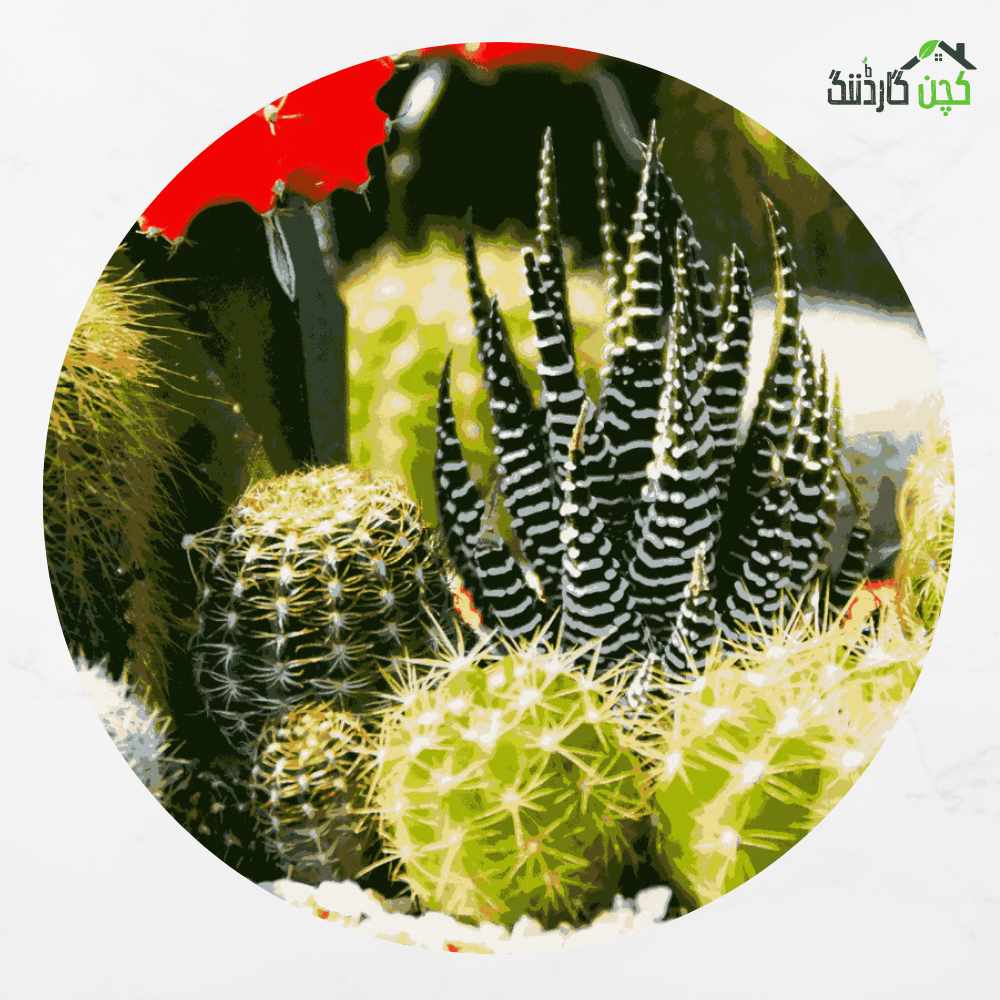
Cactus Plants Desert Mix Perennial Seeds in Pakistan – Buy Resilient Cactus Seeds Online | Perfect for Balconies | kitchengardening.pk (25 Seeds / 50 Seeds / 100 Seeds)
₨ 350 – ₨ 999Price range: ₨ 350 through ₨ 999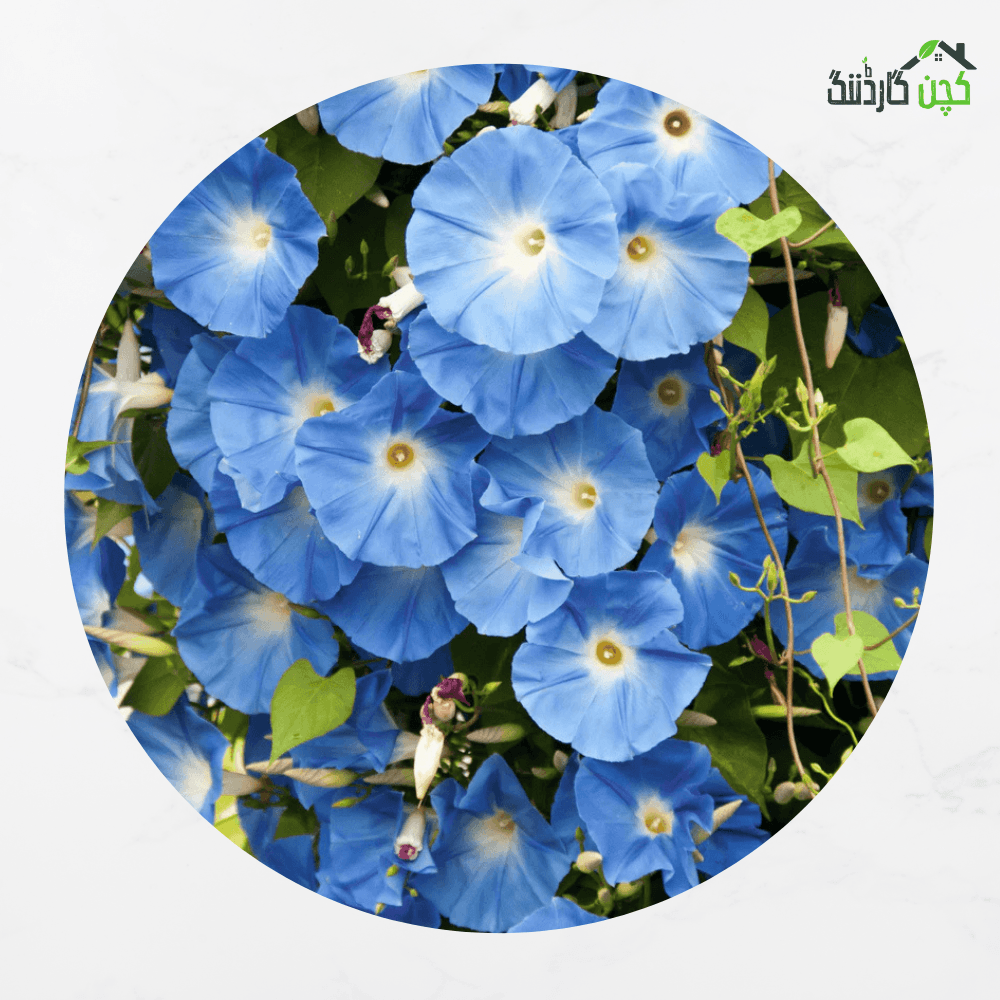
Morning Glory Blue Flower Seeds in Pakistan – Buy Fast-Growing Climber Seeds Online | Summer Blooms | kitchengardening.pk (Pack Sizes: 25/50/100 Seeds)
₨ 250 – ₨ 750Price range: ₨ 250 through ₨ 750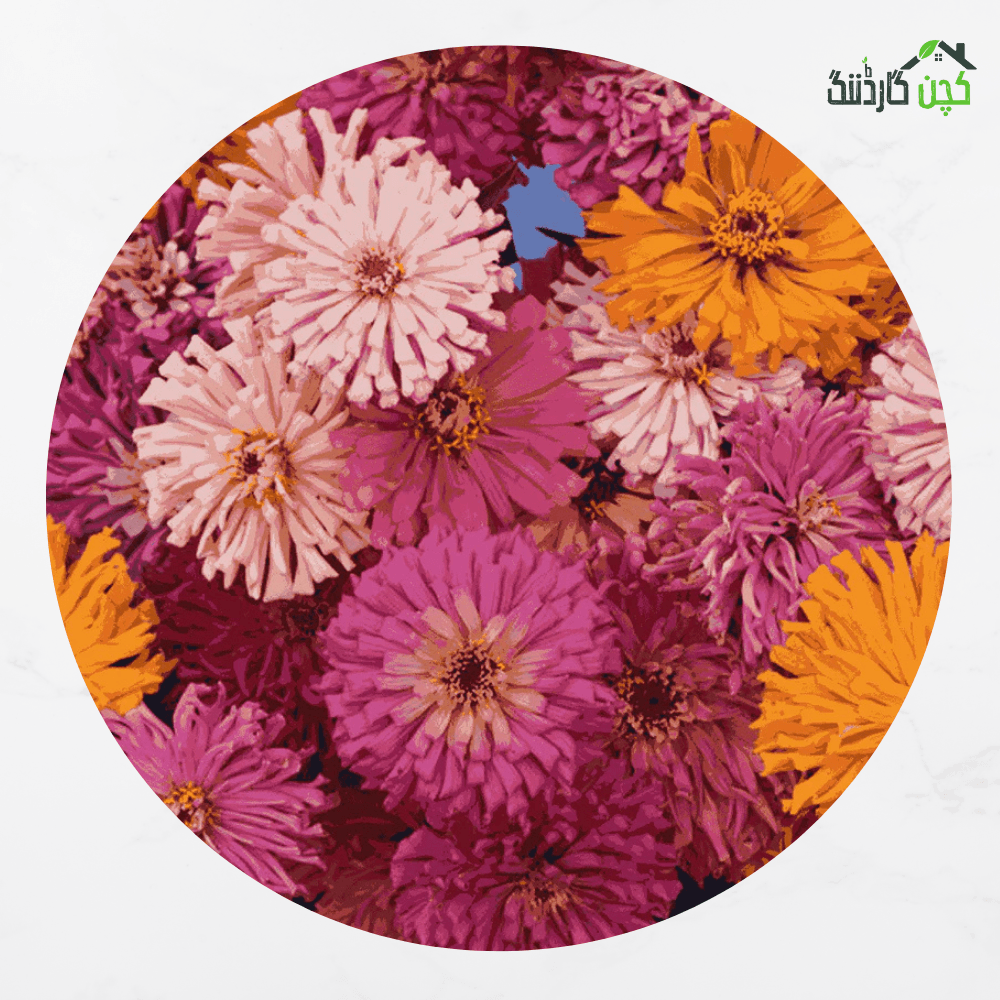
Giant Zinnia Super Cactus Mix Flower Seeds in Pakistan – Buy Stunning Flower Seeds Online | Perfect for Gifting | kitchengardening.pk (25 Seeds / 50 Seeds / 100 Seeds)
₨ 250 – ₨ 750Price range: ₨ 250 through ₨ 750
Vinca Tall Mix Flower Seeds in Pakistan – Buy Heat-Tolerant Vinca Seeds Online | Balcony & Garden Use | kitchengardening.pk (25/50/100 Seeds)
₨ 250 – ₨ 750Price range: ₨ 250 through ₨ 750
Reviews
There are no reviews yet.