
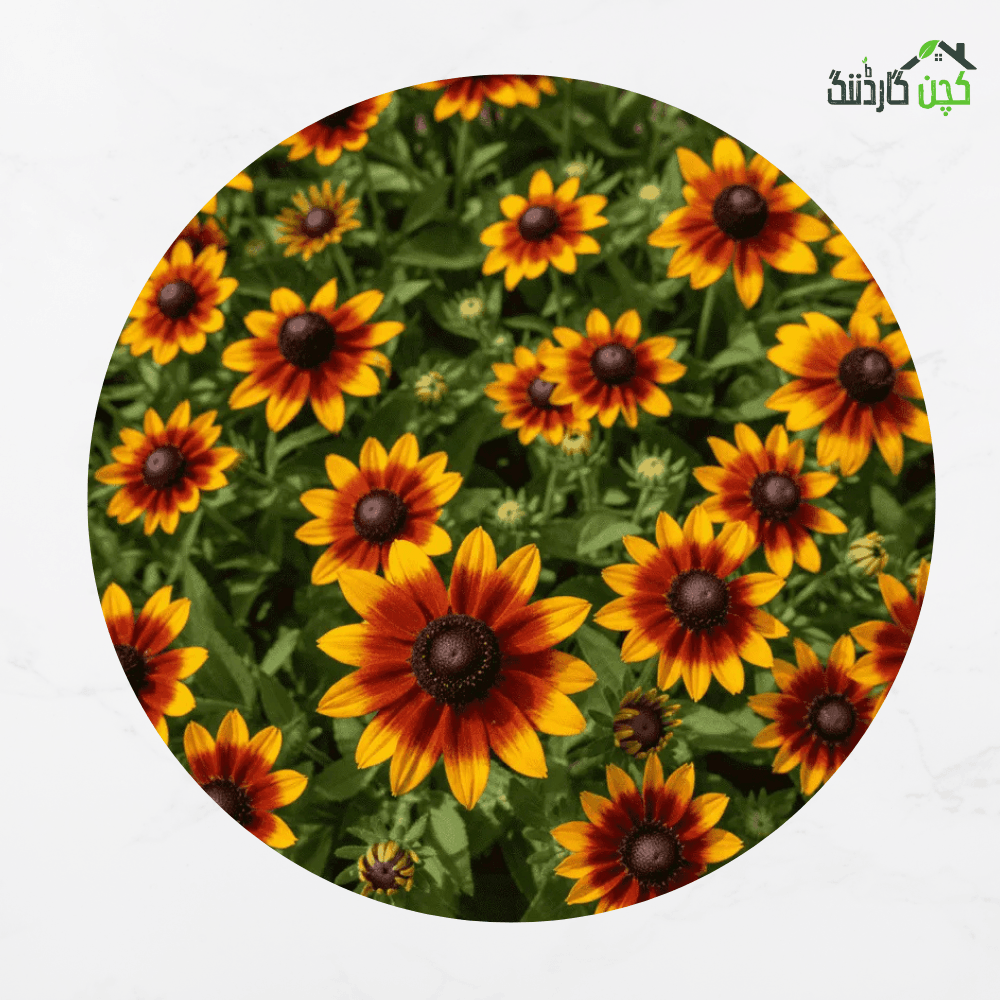
Rudbeckia ‘Rustic Dwarf’ Mix in Pakistan – Buy Vibrant Blooms Flower Seeds Online | Summer Gardens | kitchengardening.pk (25/50/100 Seeds)
Price range: ₨ 250 through ₨ 750
Grow stunning Rudbeckia ‘Rustic Dwarf’ Mix in your Pakistani garden. Ideal for summer with bright, daisy-like blooms, perfect for pots or open gardens.
Description
Rudbeckia ‘Rustic Dwarf’ Mix Pakistan – Bright, Bold Blooms for Your Garden
Rudbeckia ‘Rustic Dwarf’ Mix offers vibrant, daisy-like flowers perfect for brightening any home garden in Pakistan. These heat-tolerant plants thrive in the summer heat, making them perfect for urban balconies and spacious outdoor gardens alike. Pakistani gardeners love their easy maintenance and prolonged blooming season, ensuring colorful landscapes. Ideal for gifting during festive occasions like Eid and weddings, these flowers add a joyful touch to any home. With reliable germination, these seeds promise a garden full of life.
📋 Product Details
| Product Name | Rudbeckia ‘Rustic Dwarf’ Mix Flower Seeds |
| Brand | kitchengardening.pk |
| Pack Sizes | 25 Seeds / 50 Seeds / 100 Seeds |
| Net Weight | 5g |
| Seed Type | Open Pollinated |
| Germination Rate | 90%+ |
| Days to Harvest | 60-80 days |
| Country of Origin | Pakistan |
| WhatsApp Contact | +92-3237299060 |
🛠️ What You Need
- Seeds: 3-4 seeds per pot or per sq ft.
- Pot Size: Minimum 8-inch pot for best growth.
- Soil Type: Well-draining potting mix, available at garden centers.
- Tools: Trowel, spray bottle, watering can, dibber.
- Fertilizer: Balanced flower fertilizer, first application after initial growth.
- Optional: Shade net, grow light, drainage pebbles.
- Best Suited For: Backyard, balcony, rooftop, and open field.
📋 Sowing Guide – Step by Step
- Soak Seeds: Soak seeds in lukewarm water for 6–12 hours to enhance germination.
- Prepare Soil: Use well-draining, nutrient-rich soil.
- Sowing Depth: Sow seeds about 0.5 cm deep.
- Spacing: Space seeds 15–20 cm apart to allow proper growth.
- First Watering: Gently water after sowing without disturbing the seeds.
- Germination Conditions: Maintain a temperature of 20–25°C.
- Thinning: Thin seedlings to one plant per 15–20 cm to ensure healthy growth.
- Transplanting: If seeds are started indoors, transplant seedlings outdoors once they are sturdy and the risk of frost has passed.
🪴 Soil Preparation
- Clear Area: Remove weeds and debris.
- Loosen Depth: Loosen soil to 20 cm depth for root expansion.
- Drainage Check: Ensure soil has good drainage to prevent waterlogging.
- Add Organic Matter: Mix in 2 kg of compost per sq ft to enrich soil.
- Leveling: Level the soil surface for even planting.
- Pre-Watering: Lightly water the area before sowing.
🧪 Soil Mix Formula
- 50% Garden Soil: Provides base structure and minerals.
- 30% Compost: Adds nutrients and improves soil fertility.
- 10% Perlite: Enhances drainage and aeration.
- 10% Sand: Improves soil texture and drainage.
- Target pH: 6.0-7.0 for optimal growth.
- Mixing Instruction: Combine thoroughly to ensure even distribution.
🌱 Germination & Growth Timeline
- Germination Days: 7-14 days for initial sprouting.
- Ideal Temperature: 20-25°C promotes healthy germination.
- Light Needs: Full sun required for robust growth.
- Moisture Level: Keep soil consistently moist but not waterlogged.
- Seedling Stage: Lasts 2-3 weeks post-germination.
- Vegetative Stage: 4-6 weeks with rapid leaf development.
- Flowering: Begins around 60-80 days after sowing.
- Days to First Harvest: Approximately 60-80 days.
📅 Pakistan Planting Calendar
- Punjab (Lahore, Faisalabad, Sargodha, Multan): Plant in February-March.
- Sindh (Karachi, Hyderabad): Best planted in March-April.
- KPK (Peshawar, Abbottabad): March-April for optimal growth.
- Balochistan (Quetta): March-April recommended.
- Northern Areas: Late March to early April.
- Avoid Planting In: May-August due to excessive heat.
☀️ Growing Conditions
- Soil pH: 6.0-7.0 for best growth.
- Sunlight: 6-8 hours of direct sunlight daily.
- Watering Frequency: Twice a week, increase during dry spells.
- Temperature Range: 15-30°C suitable for growth.
- Humidity: Moderate levels are ideal.
- Spacing: 15-20 cm between plants.
- Minimum Pot Depth: 20 cm (8 inches).
🌿 Fertilizer Plan
- Seedling Stage (Week 1-2): Apply diluted liquid fertilizer.
- Vegetative Stage (Week 3-6): Balanced NPK fertilizer every 2 weeks.
- Flowering Stage: Use high-phosphorus fertilizer to promote blooms.
- Avoid: Over-fertilizing, especially with nitrogen, to prevent leggy growth.
🐛 Common Pests & Diseases
- Aphids (Lice): Leaves may curl and yellow. Use neem oil as an organic solution or insecticidal soap.
- Powdery Mildew: White powder on leaves. Apply sulfur-based fungicide, ensure good air circulation.
- Slugs and Snails (Keekaar): Chew on leaves. Use beer traps or iron phosphate pellets.
- Whiteflies: Leaves turn yellow. Use yellow sticky traps or insecticidal soap.
- Rust Fungus: Orange spots on leaves. Remove affected leaves and apply copper fungicide.
- Prevention Tip: Regularly inspect plants and maintain cleanliness.
🌼 Companion Plants & Crops
- Marigold: Repels nematodes and attracts beneficial insects.
- Zinnia: Attracts pollinators, enhancing flower production.
- Lavender: Deterrent to pests, offers aromatic benefits.
- Basil: Attracts pollinators and repels harmful insects.
- Sunflower: Provides shade and attracts pollinators.
- Avoid Planting Near: Potatoes (competes for nutrients), Beans (attract similar pests), Cabbage (may attract aphids).
✂️ Harvesting & Fruiting Period
- Days from Sowing to Harvest: 60-80 days.
- Visual Signs: Flowers fully open and vibrant.
- Best Time of Day: Early morning when flowers are fresh.
- Tool/Technique: Use sharp scissors or shears for clean cuts.
- Harvest Frequency: Every 1-2 weeks, depending on bloom rate.
- Post-Harvest Handling: Store in a cool, dry place. Flowers can last up to a week in water.
🗓 Care & Maintenance Schedule
- Week 1-2: Monitor germination, ensure soil remains moist.
- Week 3-4: Begin thinning seedlings, apply first fertilizer dose.
- Month 2: Regularly inspect for pests, continue fertilizing every 2 weeks.
- Month 3+: Deadhead spent blooms to encourage new growth, adjust watering as necessary.
🏠 Indoor vs Outdoor Growing
- Indoor/Balcony: Requires minimum 6 hours of sunlight, use large pots, limited by space.
- Outdoor/Garden: Needs 15-20 cm spacing, potentially higher yield, regular watering needed.
- Rooftop: Use heat-resistant pots, ensure adequate sunlight and wind protection.
📦 Seed & Produce Storage
- Seed Storage: Use airtight glass containers, store in a cool, dry place. Shelf life up to 2 years.
- Harvested Produce Storage: Keep flowers in a vase with water, lasts up to 7 days.
- Drying/Preserving: Flowers can be air-dried for decor purposes.
⚠️ Precautions
- Avoid Waterlogging: Ensure pots have drainage holes.
- Sunburn Risk: Provide shade during peak summer heat.
- Overcrowding: Maintain proper spacing to avoid fungal issues.
- Pest Monitoring: Regular checks for aphids and other pests.
- Fertilizer Overuse: Follow recommended doses to prevent nutrient burn.
- Weed Control: Regularly remove weeds to prevent competition for resources.
✅ Key Benefits
- Vibrant Blooms — Produces striking daisy-like blooms that add a splash of color to any garden.
- Heat Tolerant — Thrives in Pakistan’s summer heat, ideal for sunny spots.
- Easy Maintenance — Requires minimal care, making it perfect for beginner gardeners.
- Versatile Growing Locations — Perfect for pots, containers, or open garden spaces.
- High Germination Rate — With a 90%+ germination rate, you can expect a lush garden quickly.
- Great for Gifts — Ideal for gifting during events like Eid and weddings, bringing joy to recipients.
- Extended Blooming Season — Enjoy blooms throughout the summer and into the early fall.
❓ Frequently Asked Questions
- How long does it take for Rudbeckia seeds to germinate?
Rudbeckia seeds typically germinate within 7-14 days under optimal conditions. - What pot size is ideal for growing these seeds?
A minimum of an 8-inch pot is recommended to accommodate the root system. - Which season is best for planting in Pakistan?
These seeds are best planted in spring and early summer to enjoy blooms throughout the hotter months. - What common problems might occur when growing Rudbeckia?
Common issues include fungal diseases and aphids, both of which can be managed with proper care and organic solutions. - Are these seeds suitable for indoor planting?
Yes, Rudbeckia can be grown indoors or on balconies, provided they receive sufficient sunlight.
🌱 Free Gardening Consultation
Need gardening advice? Contact us at +92-3237299060 for a free consultation. We’re here to help you grow a beautiful garden.
Additional information
| size | 100 Seeds Per Pack, 25 Seeds Per Pack, 50 Seeds Per Pack |
|---|
Only logged in customers who have purchased this product may leave a review.
Related products
-
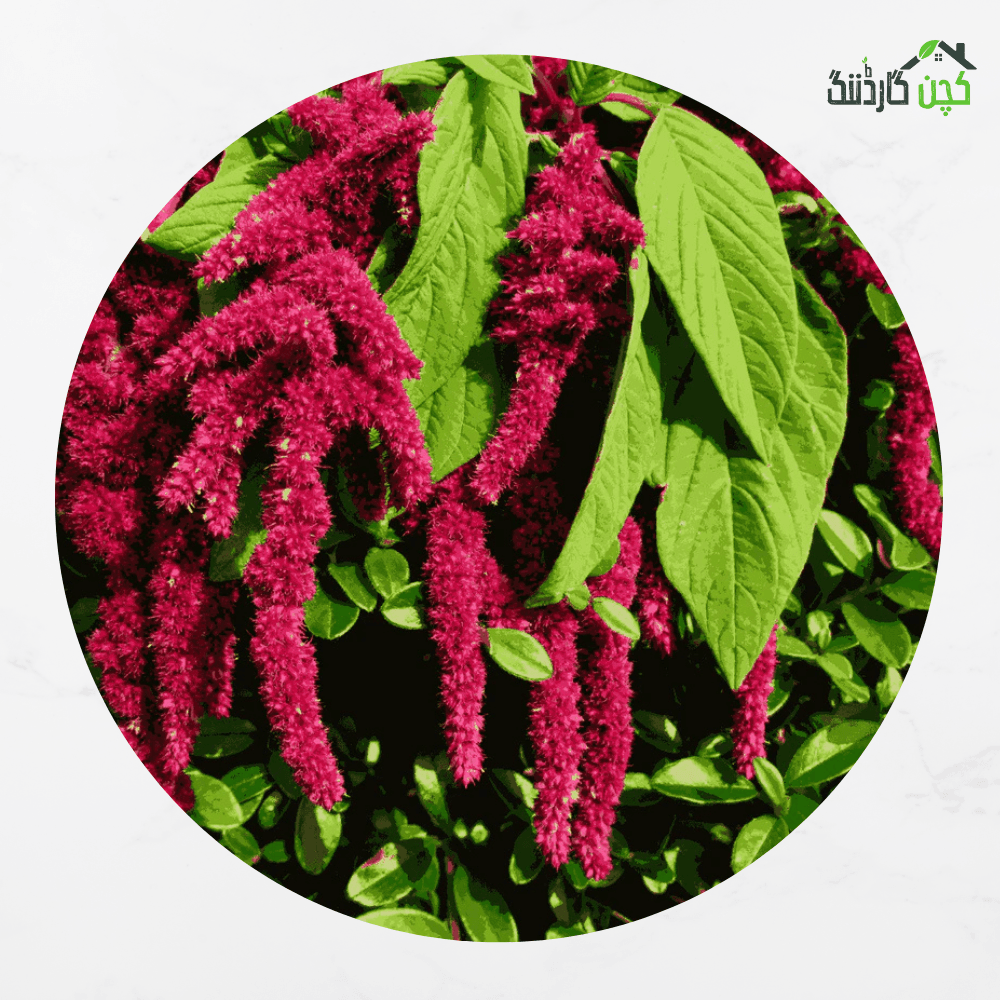
Amaranthus Foxtail Flower Seeds in Pakistan – Buy Colorful Blooms Online | Balcony & Rooftop Gardens | kitchengardening.pk (25/50/100 Seeds)
₨ 250 – ₨ 750Price range: ₨ 250 through ₨ 750 -
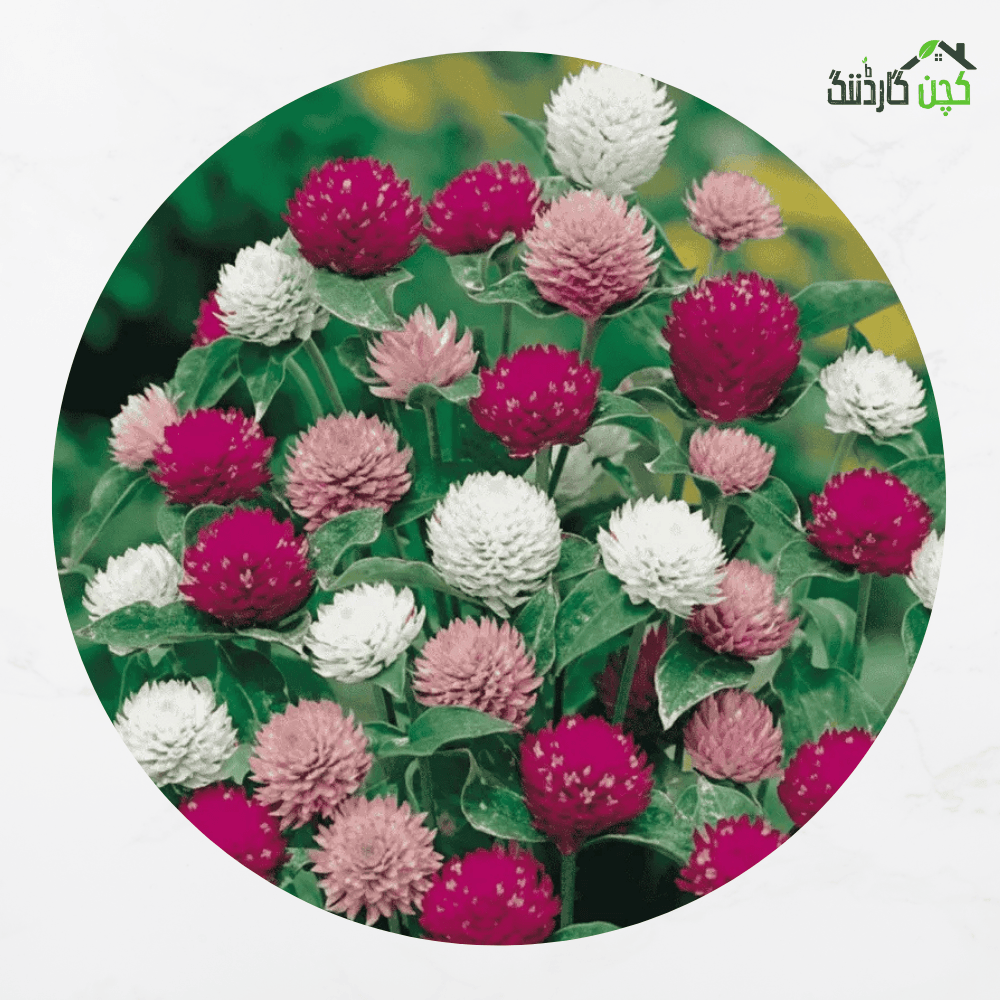
Gomphrena Mix Seeds in Pakistan – Buy Heat-Tolerant Summer Blooms Online | Perfect for Dried Arrangements | kitchengardening.pk (25/50/100 Seeds)
₨ 250 – ₨ 750Price range: ₨ 250 through ₨ 750 -
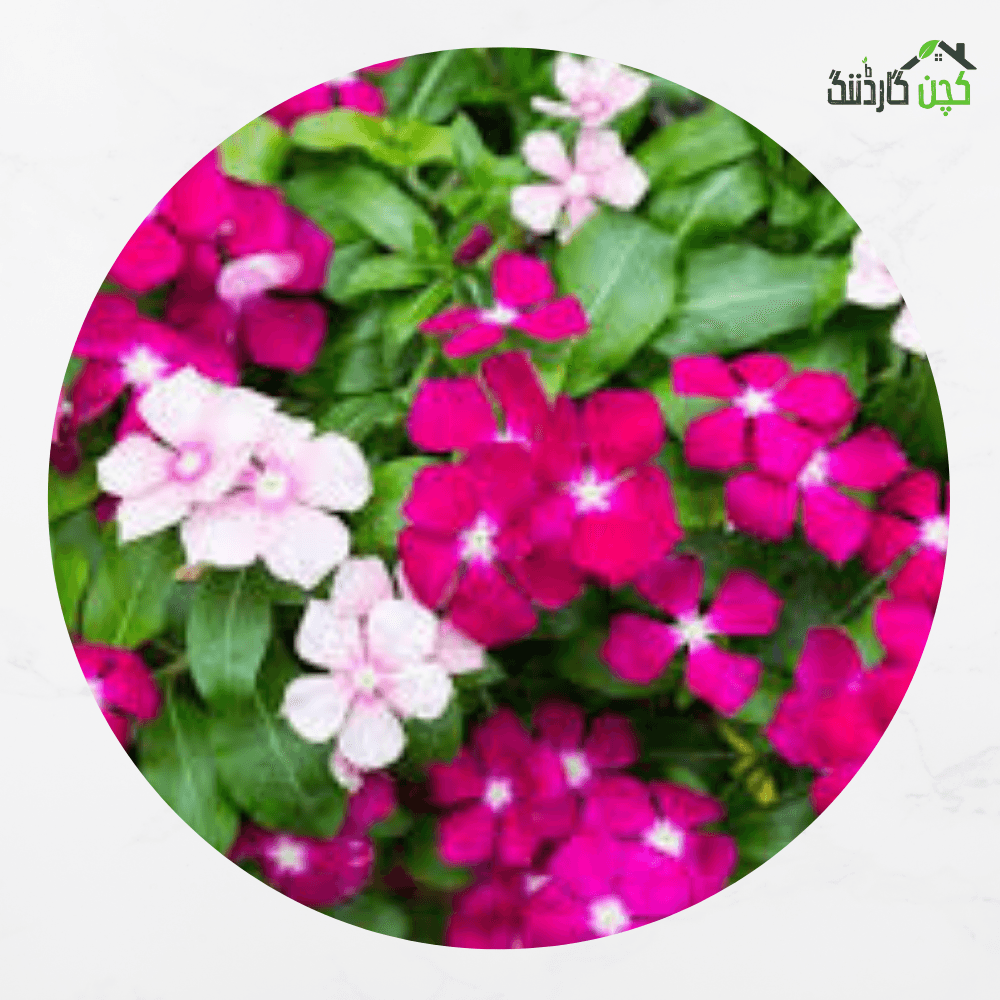
Vinca Tall Mix Flower Seeds in Pakistan – Buy Heat-Tolerant Vinca Seeds Online | Balcony & Garden Use | kitchengardening.pk (25/50/100 Seeds)
₨ 250 – ₨ 750Price range: ₨ 250 through ₨ 750
Reviews
There are no reviews yet.