
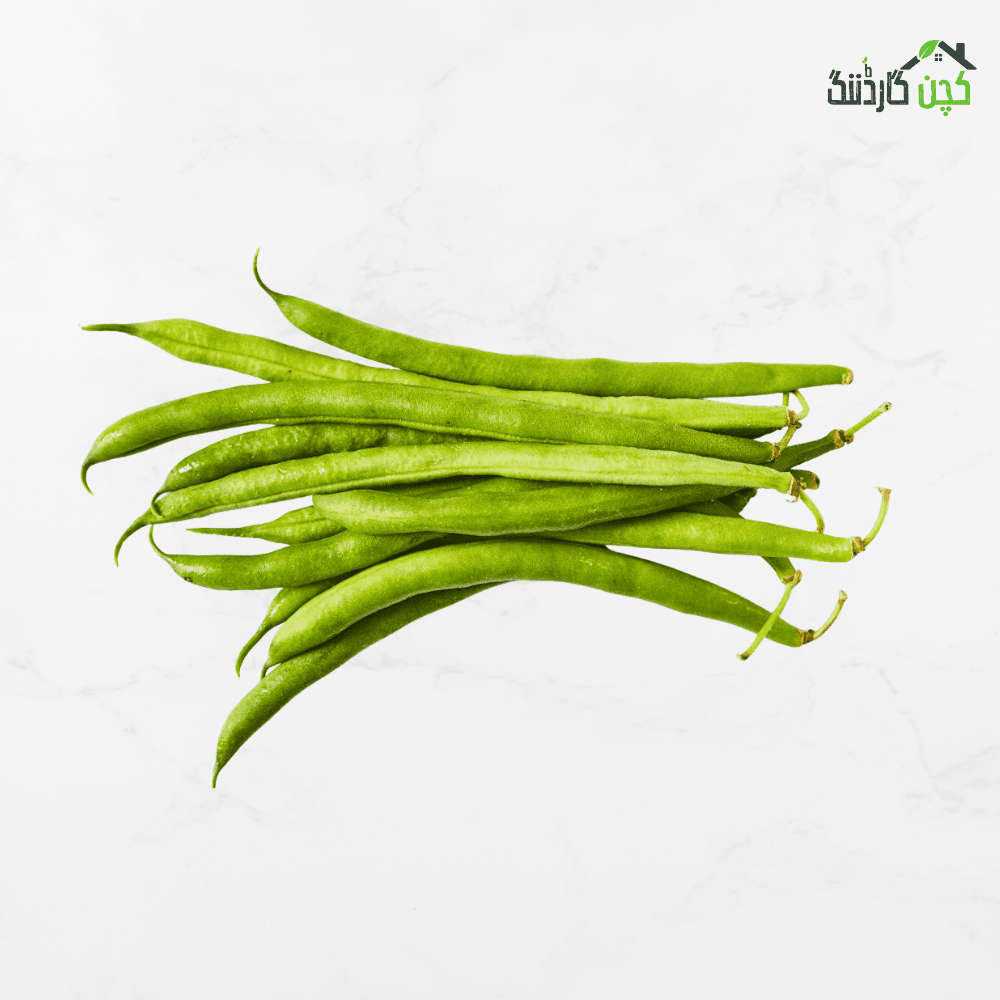
Bush Beans Seed in Pakistan – Buy Reliable Green Podded Bush Beans Online | Perfect for Home Gardens | kitchengardening.pk (25 Seeds / 50 Seeds / 100 Seeds)
Price range: ₨ 250 through ₨ 750
Discover the Bush Beans ‘Provider’, perfect for Pakistani home gardens. These reliable seeds yield early-maturing, disease-resistant green pods in just 50-55 days.
Description
Bush Beans Seeds ‘Provider’ Pakistan – Grow Early Maturing Green Pods
The Bush Beans Seeds ‘Provider’ is a popular choice among Pakistani home gardeners due to its early-maturing and disease-resistant nature. These non-GMO heirloom seeds produce vibrant green pods that are perfect for various culinary uses. You can easily grow them in pots, containers, or open gardens, making them ideal for balcony or rooftop gardening. With these seeds, you can enjoy fresh produce directly from your garden, ensuring quality and flavor.
📋 Product Details
| Product Name | Bush Beans ‘Provider’ |
| Brand | kitchengardening.pk |
| Pack Sizes | 25 Seeds / 50 Seeds / 100 Seeds |
| Net Weight | 5g |
| Seed Type | Open Pollinated |
| Germination Rate | 90%+ |
| Days to Harvest | 50-55 days |
| Country of Origin | USA |
| WhatsApp Contact | +92-3237299060 |
🛠️ What You Need
- Seeds: 1-2 seeds per pot or 6-8 seeds per sq ft.
- Minimum Pot Size: 8-inch pot minimum for root development.
- Soil Type: Well-draining loamy soil available at local nurseries.
- Tools Required: Trowel, spray bottle, watering can, dibber for planting.
- Fertiliser: Use balanced organic fertiliser, first needed at the seedling stage.
- Best Suited For: Backyard, balcony, rooftop, or open field gardens.
📋 Sowing Guide – Step by Step
- Soak Seeds: Soak seeds in water for 4-6 hours to promote germination.
- Prepare Soil: Prepare loose, well-draining soil in pots or garden beds.
- Sowing Depth: Sow seeds 2-3 cm deep for optimal growth.
- Spacing: Space seeds 10-15 cm apart to allow for growth.
- First Watering: Water gently after sowing to settle the soil around the seeds.
- Germination Conditions: Maintain warmth (20-25°C) and moisture until seeds sprout.
- Thinning: Thin seedlings to the strongest 2-3 plants per pot or 6-8 per sq ft.
- Transplanting: Transplant if needed after seedlings grow 10-15 cm high.
🪴 Soil Preparation
- Clear Area: Remove weeds and debris from the planting area.
- Loosen Soil: Loosen the soil to a depth of 15-20 cm to encourage root growth.
- Drainage Check: Ensure the soil drains well to prevent waterlogging.
- Adding Organic Matter: Mix 1-2 kg of compost per sq ft to enrich the soil.
- Leveling: Level the soil surface to avoid uneven water distribution.
- Pre-watering: Pre-water the soil to ensure moisture retention before planting.
🧪 Soil Mix Formula
- 50% Garden Soil — provides base structure and essential nutrients
- 30% Compost — enriches the soil with organic matter and nutrients
- 20% Perlite — enhances drainage and aeration in the soil mix
- Target pH range: 6.0-7.0. Mix thoroughly until well combined.
🌱 Germination & Growth Timeline
- Germination Days: 7-14 days depending on conditions.
- Ideal Temperature: 20-25°C for optimal germination.
- Light Needs: Provide indirect sunlight during germination.
- Moisture Level: Keep soil consistently moist but not soggy.
- Seedling Stage Days: Approximately 2-3 weeks until seedlings are ready for thinning.
- Vegetative Stage: Lasts about 4-6 weeks before flowering begins.
- Flowering: Begins at around 6-8 weeks after sowing.
- Days to First Harvest: Ready in 50-55 days after sowing.
📅 Pakistan Planting Calendar
- Punjab (Lahore, Faisalabad, Sargodha, Multan): Plant from March to April and August to September.
- Sindh (Karachi, Hyderabad): Best months are February to March and September to October.
- KPK (Peshawar, Abbottabad): Ideal planting time is from March to April and August to September.
- Balochistan (Quetta): Suitable months are March to April and September to October.
- Northern Areas: Best planted from April to May and August to September.
- Avoid Planting In: December to February due to cold temperatures.
☀️ Growing Conditions
- Soil pH: Maintain at 6.0-7.0 for optimal growth.
- Sunlight: Requires 6-8 hours of sunlight daily.
- Watering Frequency: Water every 2-3 days, more often during dry spells.
- Temperature Range: Prefers 20-30°C during the growing season.
- Humidity: Thrives in moderate humidity levels (40-60%).
- Spacing Between Plants: Space plants 10-15 cm apart for air circulation.
- Minimum Pot Depth: 8-12 inches is ideal for root development.
🌿 Fertilizer Plan For Bush Bean Seeds
- Seedling Stage (Week 1-2): Apply a balanced organic fertiliser at half strength.
- Vegetative Stage (Week 3-6): Increase fertiliser to full strength, applying every 2 weeks.
- Flowering Stage: Switch to a phosphorus-rich fertiliser to encourage blooms.
- Fruiting Stage: Use a potassium-rich fertiliser to enhance pod development.
- Avoid Over-Fertilising: Prevent nutrient burn by following recommended application rates.
🐛 Common Pests & Diseases
- Aphids (Aphid): Symptoms include curled leaves and stunted growth. Use insecticidal soap for control. Prevent by introducing beneficial insects like ladybugs.
- Rust (Rust Disease): Appears as orange or brown spots on leaves. Remove affected leaves and apply fungicides if necessary. Maintain good air circulation to prevent it.
- Bean Beetles (Bean Khara): Look for holes in leaves. Handpick beetles or use neem oil to deter them. Rotate crops to reduce infestations.
- Whiteflies (White Makhi): Signs include yellowing leaves and sticky residue. Use yellow sticky traps for monitoring. Keep plants healthy to prevent attraction.
- Powdery Mildew (Sufaid Khushk): A white powdery substance on leaves. Improve air circulation and apply fungicides if needed. Water at the base of plants to reduce humidity.
🌼 Companion Plants & Crops
- Corn: Helps provide shade and support for bush beans to climb.
- Squash: Acts as a ground cover to suppress weeds and retains soil moisture.
- Marigolds: Deter harmful pests with their strong scent, protecting beans.
- Cucumbers: Share similar growing conditions and can enhance the garden’s biodiversity.
- Basil: Improves flavor and helps repel certain pests.
- Avoid Potatoes: Competes for nutrients and can lead to pest issues.
- Avoid Garlic: Can inhibit the growth of beans due to their nutrient requirements.
- Avoid Onions: May stunt the growth of beans when planted nearby.
✂️ Harvesting & Fruiting Period
- Days from Sowing to Harvest: 50-55 days after planting.
- Visual Signs of Readiness: Pods should be firm and green but not overly mature.
- Best Time of Day to Harvest: Early morning when temperatures are cooler.
- Harvest Technique: Use scissors or shears to avoid damaging plants.
- Harvest Frequency: Regularly harvest to encourage further production, typically every 3-5 days.
- Post-Harvest Handling: Store in a cool, dry place or refrigerate for longer freshness.
🗓 Care & Maintenance Schedule
- Week 1-2: Monitor moisture levels and ensure seedlings receive adequate light.
- Week 3-4: Begin fertilising every two weeks and check for pests.
- Month 2: Water consistently, keep weeds at bay, and start supporting plants if needed.
- Month 3+: Continue regular upkeep, harvesting pods as they mature and monitoring for diseases.
🏠 Indoor vs Outdoor Growing
- Indoor/Balcony: Requires at least 6 hours of sunlight and pots with drainage holes; advantages include easy access and pest management, but limited space can restrict growth.
- Outdoor/Garden: Requires more space and full sun exposure; expected yield is higher, but involves more pest control and weather considerations.
- Rooftop: Needs heat-resistant containers; provides good drainage and sunlight but requires careful watering to prevent heat stress.
📦 Seed & Produce Storage
- Seed Storage: Store seeds in a cool, dry container with low humidity; shelf life is approximately 2-3 years.
- Harvested Produce Storage: Store in the fridge for up to 1 week or at room temperature for 2-3 days.
- Drying/Preserving: Beans can be blanched and frozen or dried for long-term storage.
⚠️ Precautions
- Avoid Overcrowding: Ensure proper spacing to prevent diseases.
- Monitor Watering: Prevent waterlogged soil to avoid root rot.
- Check for Pests Weekly: Early detection is key to managing infestations.
- Use Clean Tools: Sterilize gardening tools to prevent disease spread.
- Rotate Crops Annually: Helps maintain soil health and reduces pest problems.
- Avoid Planting in Cold Weather: Protect seeds from frost damage.
✅ Key Benefits
- 90%+ Germination Rate — These seeds are treated and tested to ensure a high germination rate, providing you with a strong start for your garden.
- Early Maturing — Bush Beans ‘Provider’ can be harvested in just 50-55 days, allowing you to enjoy fresh produce in no time.
- Disease Resistant — These beans are known for their resilience against common diseases, making them a reliable choice for your garden.
- Versatile Growing — Perfect for pots, containers, or open gardens, these seeds adapt well to various growing conditions.
- Delicious Flavor — Bush Beans ‘Provider’ offers a sweet and tender taste, great for salads, stir-fries, or steaming.
- Non-GMO Heirloom Variety — Enjoy the benefits of heirloom seeds that have been preserved for their quality and taste.
- Easy to Grow — Ideal for both beginner and experienced gardeners, these beans are straightforward to cultivate.
❓ Frequently Asked Questions
- How long does it take for Bush Beans to germinate?
Bush Beans typically germinate within 7-14 days under the right conditions, which include warmth and moisture. - What is the minimum pot size for growing Bush Beans?
A minimum pot size of 8 inches is recommended for growing Bush Beans to ensure sufficient root space. - What is the best season to plant Bush Beans in Pakistan?
The best season to plant Bush Beans in Pakistan is during Spring and Autumn when temperatures are moderate. - What are common problems with Bush Beans?
Common issues include pests like aphids and diseases such as rust. Monitoring and timely intervention are key to managing these problems. - How often should I water my Bush Beans?
Water your Bush Beans regularly, keeping the soil consistently moist but not waterlogged, especially during the flowering stage.
🌱 Free Gardening Consultation
If you have any questions about growing Bush Beans or need gardening advice, feel free to reach out at +92-3237299060 for expert consultation.
Additional information
| size | 100 Seeds Per Pack, 25 Seeds Per Pack, 50 Seeds Per Pack |
|---|
Only logged in customers who have purchased this product may leave a review.
Related products
Papaya F1 Hybrid Seeds in Pakistan – Buy High-Yield Sweet Papaya Online | Home Gardening | kitchengardening.pk (25/50/100 Seeds)
₨ 250 – ₨ 750Price range: ₨ 250 through ₨ 750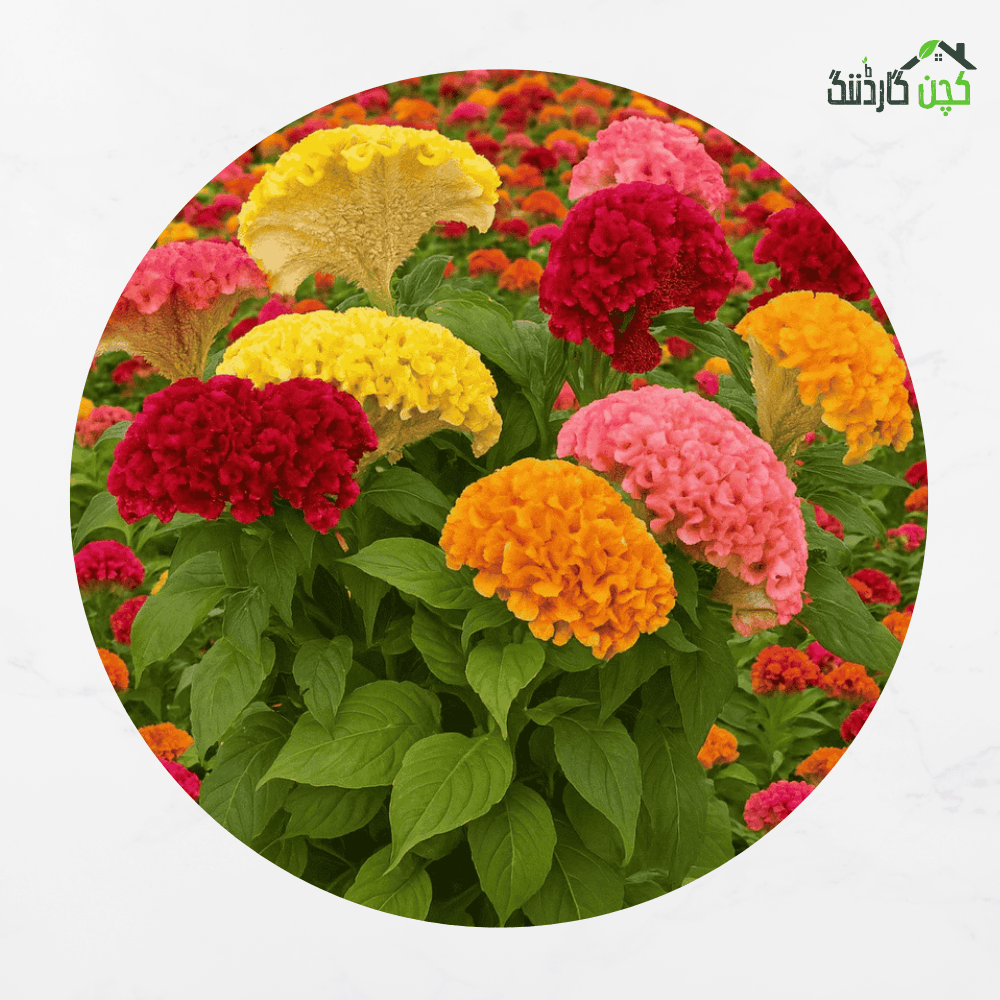
Celosia ‘Cristata Mix’ Seeds in Pakistan – Buy Vibrant Crested Blooms Online | Home Garden | kitchengardening.pk (25/50/100 Seeds)
₨ 250 – ₨ 750Price range: ₨ 250 through ₨ 750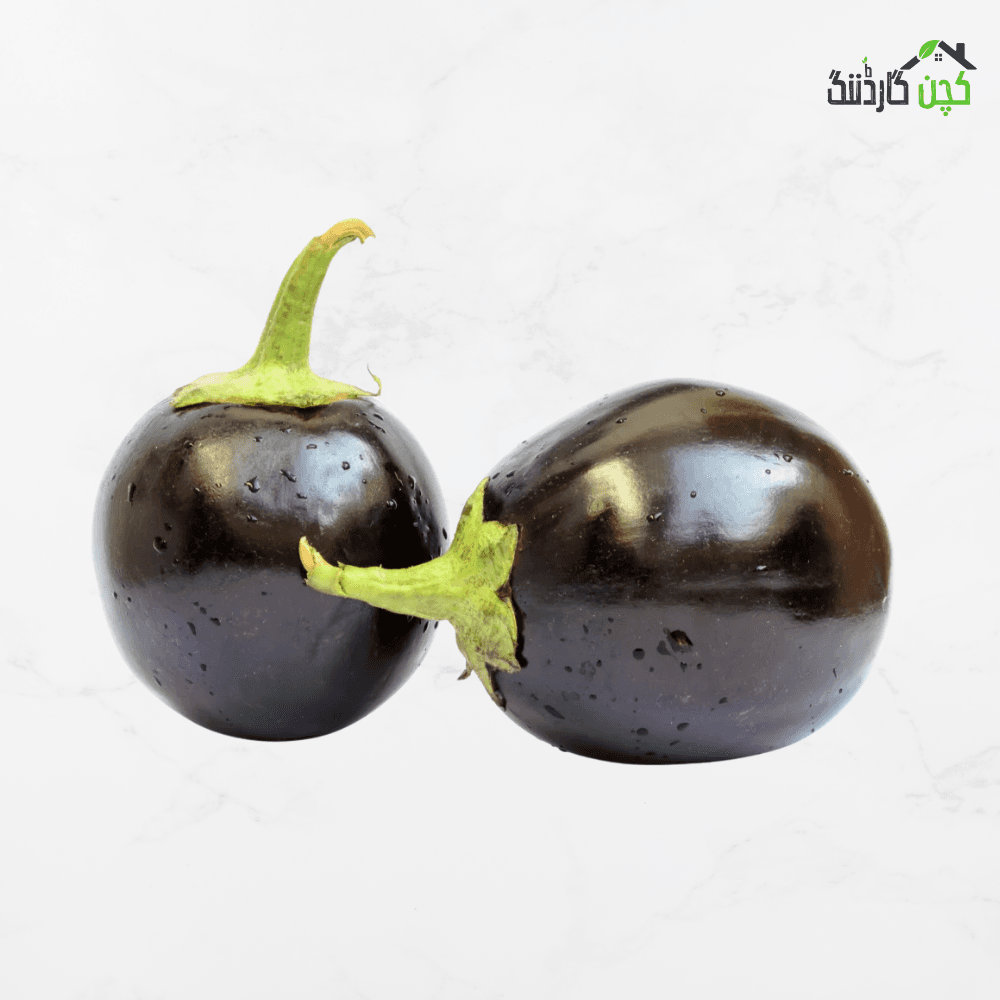
Round Brinjal Seeds in Pakistan – Buy Classic Purple Eggplant Online | kitchengardening.pk (25 Seeds / 50 Seeds / 100 Seeds)
₨ 250 – ₨ 750Price range: ₨ 250 through ₨ 750
Reviews
There are no reviews yet.