
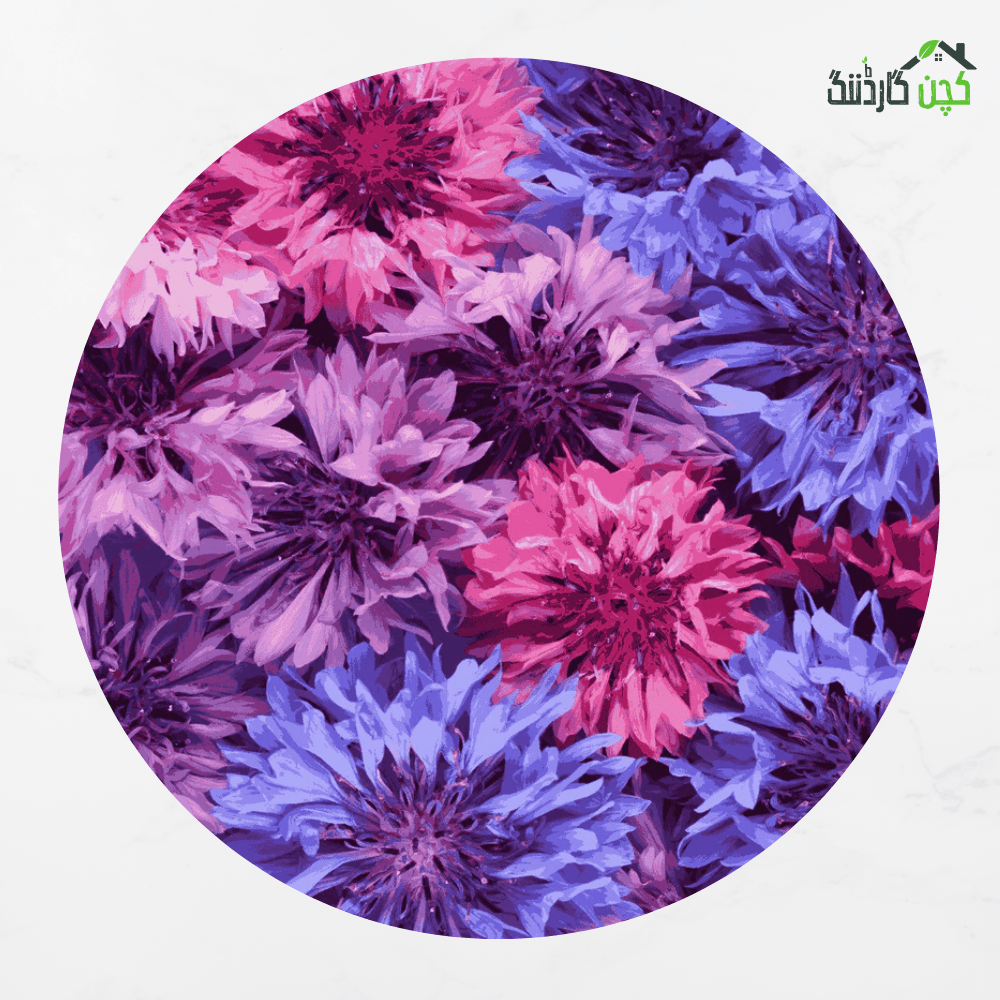
Cornflower F1 Double Mix Seeds in Pakistan – Buy Vibrant Flower Seeds Online | Perfect for Gifting | kitchengardening.pk (25/50/100 Seeds)
Price range: ₨ 250 through ₨ 750
Discover the beauty of Cornflower F1 Double Mix Seeds! Perfect for vibrant flower beds and gifting on special occasions in Pakistan.
Description
Cornflower F1 Double Mix Seeds Pakistan – Grow Stunning Blooms!
Cornflower F1 Double Mix Seeds offer a delightful array of colors including red, rose, maroon, blue, and white. These flowers are perfect for decorative use, adding charm to your garden or balcony. Pakistani home gardeners love them for their heat tolerance and easy care, making them ideal for both beginners and seasoned gardeners. You can grow them in pots, containers, or open gardens, ensuring reliable blooming in various settings.
📋 Product Details
| Product Name | Cornflower F1 Double Mix Seeds |
| Brand | kitchengardening.pk |
| Pack Sizes | 25 Seeds / 50 Seeds / 100 Seeds |
| Net Weight | 2g |
| Seed Type | F1 Hybrid |
| Germination Rate | 90%+ |
| Days to Harvest | 60-80 days |
| Country of Origin | USA |
| WhatsApp Contact | +92-3237299060 |
🛠️ What You Need
- Seeds: 5-10 seeds per pot or per sq ft for optimal growth.
- Pot Size: Minimum 8-inch pot recommended to accommodate roots.
- Soil Type: Well-draining potting mix; available at local nurseries.
- Tools Required: Trowel, spray bottle, watering can, dibber for planting.
- Fertilizer: An all-purpose fertilizer is advised; apply it when seedlings are 2-3 weeks old.
- Optional: Shade net for extreme heat, grow light for indoor conditions, drainage pebbles for pots.
- Best Suited For: Perfect for Backyard, Balcony, Rooftop, and Open Field gardening.
📋 Sowing Guide – Step by Step
- **Seed Soaking** Soak seeds in water for 24 hours to enhance germination.
- **Soil Preparation** Prepare a well-draining soil mix in pots or garden beds.
- **Sowing Depth** Sow seeds at a depth of 1-2 cm.
- **Spacing** Space seeds 20-30 cm apart for healthy growth.
- **First Watering** Water gently after sowing to avoid displacing seeds.
- **Germination Conditions** Maintain a temperature of 15-25°C and provide indirect sunlight.
- **Thinning** Once seedlings are 5 cm tall, thin out weaker plants to allow stronger ones to thrive.
- **Transplanting** When seedlings reach 10-15 cm tall, transplant them to larger pots or the garden.
🪴 Soil Preparation
- Clearing Area: Remove weeds and debris from the planting area.
- Loosening Depth: Loosen the soil to a depth of 20 cm to promote root growth.
- Drainage Check: Ensure the area has good drainage to prevent waterlogging.
- Adding Organic Matter: Mix in 2-3 kg of compost per sq meter for nutrient enrichment.
- Levelling: Level the soil surface to promote even water distribution.
- Pre-Watering: Water the soil before planting to provide moisture.
🧪 Soil Mix Formula
- 50% Garden Soil — provides base structure and minerals.
- 30% Compost — enriches the soil with nutrients for healthy growth.
- 20% Perlite — improves drainage and aeration for root development.
- Target pH range: 6.0-7.0. Mix well before using in pots or garden beds.
🌱 Germination & Growth Timeline
- Germination Days: Seeds typically germinate in 7-14 days.
- Ideal Temperature: Maintain 15-25°C for optimal germination.
- Light Needs: Provide indirect sunlight during the germination phase.
- Moisture Level: Keep the soil consistently moist, but not soggy.
- Seedling Stage Days: Seedlings will be ready for thinning in about 4 weeks.
- Vegetative Stage: Expect robust growth in 4-6 weeks after germination.
- Flowering: Flowers typically start blooming around 60-80 days after sowing.
- Days to First Harvest: You can expect to enjoy blooms within 2 months from sowing.
📅 Pakistan Planting Calendar
- Punjab (Lahore, Faisalabad, Sargodha, Multan): Best months are September to October for Autumn planting and March to April for Spring planting.
- Sindh (Karachi, Hyderabad): Ideal months are September to October and March to April.
- KPK (Peshawar, Abbottabad): Plant in April to May for Spring and September to October for Autumn.
- Balochistan (Quetta): Suitable for planting in October and March.
- Northern Areas: Best to plant during April to May due to cooler climates.
- Avoid Planting In: December to February as cold temperatures can hinder growth.
☀️ Growing Conditions
- Soil pH: Ideal pH is 6.0-7.0 for optimal growth.
- Sunlight Hours/Day: Requires 6-8 hours of sunlight daily.
- Watering Frequency: Water every 2-3 days, more frequently in hot weather.
- Temperature Range: Minimum 10°C and maximum 30°C for healthy growth.
- Humidity: Prefer moderate humidity levels.
- Spacing Between Plants: 20-30 cm apart for adequate airflow.
- Minimum Pot Depth: 12-15 cm is recommended for proper root development.
🌿 Fertilizer Plan
- Seedling Stage (Week 1-2): Use a diluted all-purpose fertilizer, 1 tablespoon per gallon of water.
- Vegetative Stage (Week 3-6): Switch to a balanced fertilizer with equal N-P-K ratio every 2 weeks.
- Flowering Stage: Apply a phosphorus-rich fertilizer to encourage blooming.
- Fruiting Stage: Continue with balanced fertilizer as needed.
- What to Avoid: Do not over-fertilize as it can lead to nutrient burn and unhealthy plants.
🐛 Common Pests & Diseases
- Aphids (Aphid): Symptoms include curled leaves and stunted growth. Organic solution: Spray with insecticidal soap. Chemical option: Pyrethroids. Prevention: Regularly inspect plants.
- Powdery Mildew (Pudina): White powdery spots on leaves. Organic solution: Neem oil spray. Chemical option: Fungicides. Prevention: Ensure good air circulation.
- Fungal Leaf Spot (Sukhi Patte): Dark spots on leaves. Organic solution: Remove affected leaves. Chemical option: Fungicides. Prevention: Avoid overhead watering.
- Spider Mites (Makri): Fine webbing on leaves. Organic solution: Spray with water to dislodge. Chemical option: Acaricides. Prevention: Maintain humidity around plants.
- Whiteflies (Safed Makri): Yellowing leaves and sticky residue. Organic solution: Yellow sticky traps. Chemical option: Insecticides. Prevention: Introduce beneficial insects.
🌼 Companion Plants & Crops
- Marigold: Helps repel pests and attracts beneficial insects to your Cornflowers.
- Basil: Enhances flavor and growth of nearby plants while improving soil health.
- Nasturtium: Acts as a trap crop for aphids, keeping them away from Cornflowers.
- Sunflowers: Provide support and attract pollinators, benefiting your garden ecosystem.
- Zinnias: Both are vibrant and attract similar pollinators, enhancing garden beauty.
- Avoid Planting With: Tomatoes: They can compete for nutrients. Cabbage: May attract similar pests. Potatoes: Risk of disease spread.
✂️ Harvesting & Fruiting Period
- Days from Sowing to Harvest: Approximately 60-80 days for blooms.
- Visual Signs of Readiness: Look for fully opened flowers.
- Best Time to Harvest: Early morning is ideal for cutting flowers.
- Tool/Technique: Use sharp scissors or shears to cut the stems.
- Harvest Frequency: Regularly harvest to encourage more blooms throughout the season.
- Post-Harvest Handling: Store in a cool place, and rehydrate stems in water for best results.
🗓 Care & Maintenance Schedule
- Week 1-2: Water regularly, keep soil moist, and monitor for pests.
- Week 3-4: Thin seedlings to give room for growth and apply fertilizer.
- Month 2: Ensure adequate sunlight and continue watering, check for pests.
- Month 3+: Regularly deadhead spent flowers to promote new blooms, and adjust watering based on weather conditions.
🏠 Indoor vs Outdoor Growing
- Indoor/Balcony: Requires at least 4-6 hours of sunlight, use pots with good drainage, advantages include easier pest management, but limitations include limited space.
- Outdoor/Garden: Needs full sun, spacing of 20-30 cm, higher yield potential, and requires consistent watering.
- Rooftop: Ensure containers can withstand heat; use larger pots to retain moisture.
📦 Seed & Produce Storage
- Seed Storage: Store in a cool, dry container away from direct sunlight; shelf life is about 2-3 years.
- Harvested Produce Storage: Keep flowers in a cool location; they last up to a week if properly cared for.
- Drying/Preserving: For herbs, hang upside down in a dark, dry place for preservation.
⚠️ Precautions
- Avoid overwatering to prevent root rot.
- Ensure good drainage in pots to avoid waterlogging.
- Protect from strong winds that can damage flowers.
- Monitor for pests regularly to catch issues early.
- Avoid planting in shady areas as Cornflowers thrive in sunlight.
- Use sterilized tools to prevent disease spread.
✅ Key Benefits
- Vibrant Colors — The Cornflower F1 Double Mix produces stunning blooms in a variety of colors, making your garden visually captivating.
- Heat Tolerant — These flowers can withstand high temperatures, making them suitable for the warm climate of Pakistan.
- Easy to Grow — Ideal for beginner gardeners, these seeds germinate quickly and require minimal maintenance.
- Perfect for Gifting — Bright and cheerful, these flowers make wonderful gifts for events such as weddings, Eid, and birthdays.
- Attracts Pollinators — Cornflowers attract bees and butterflies, enhancing the biodiversity of your garden.
- Long Blooming Season — Enjoy a prolonged display of flowers throughout the growing season with proper care.
- Versatile Planting Options — Suitable for pots, containers, or open gardens, making them perfect for any gardening space.
❓ Frequently Asked Questions
- How long does it take for Cornflower seeds to germinate?
Cornflower seeds typically germinate in about 7-14 days under optimal conditions, ensuring a quick start to your gardening adventure. - What size pot do I need for Cornflowers?
A minimum pot size of 8 inches in diameter is recommended for growing Cornflowers to provide ample space for their roots. - When is the best season to plant Cornflowers in Pakistan?
The best seasons for planting Cornflowers in Pakistan are Spring and Autumn, as they thrive in moderate temperatures. - What common problems should I watch for with Cornflowers?
Watch for issues like aphids and powdery mildew, which can affect the health of your Cornflowers. Regular inspection is key. - Can I grow Cornflowers in a balcony garden?
Yes, Cornflowers are perfect for balcony gardens as they can be grown in pots and enjoy the sunlight while adding beauty to your space.
🌱 Free Gardening Consultation
For personalized gardening advice, feel free to contact us at +92-3237299060. We’re here to help you grow your dream garden!
Additional information
| size | 100 Seeds Per Pack, 25 Seeds Per Pack, 50 Seeds Per Pack |
|---|
Only logged in customers who have purchased this product may leave a review.
Related products
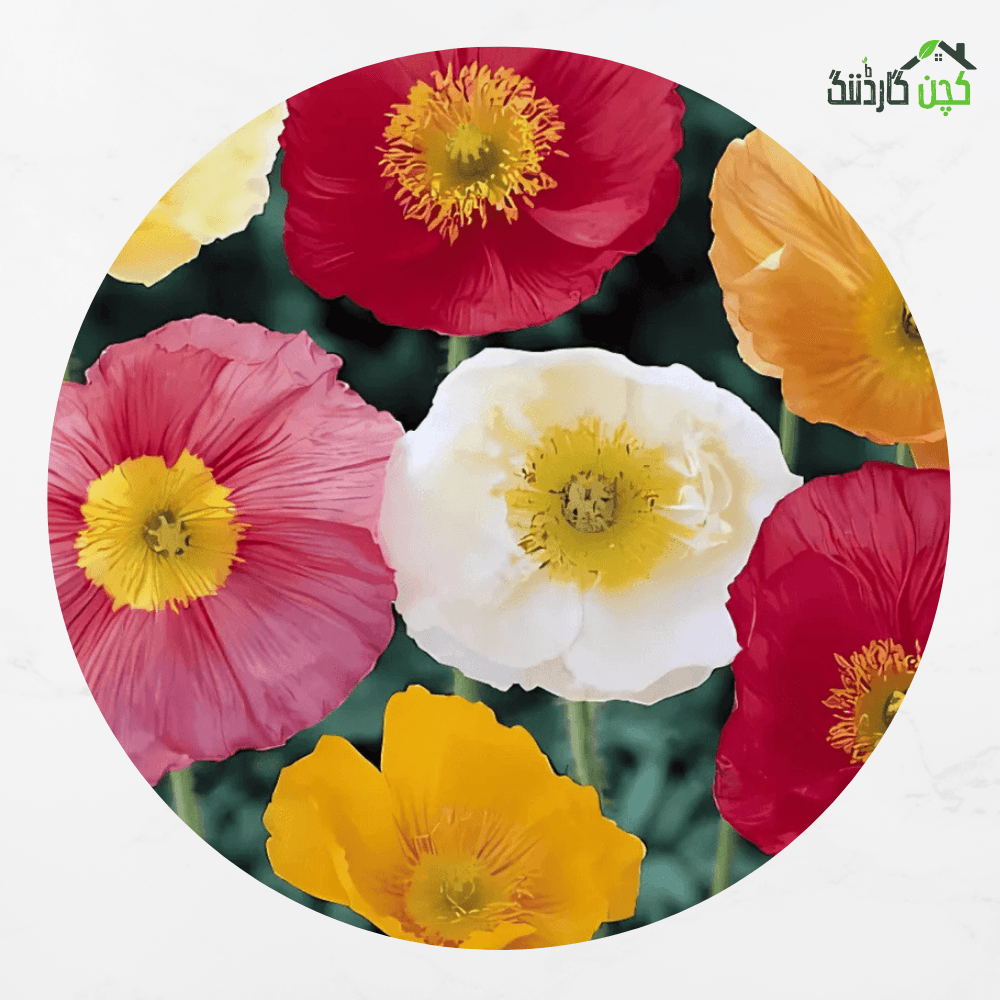
Californian Poppy Double Mix Flower Seeds in Pakistan – Buy Vibrant Flower Seeds Online | Perfect for Gifting | kitchengardening.pk (Pack Sizes: 25, 50, 100 Seeds)
₨ 250 – ₨ 750Price range: ₨ 250 through ₨ 750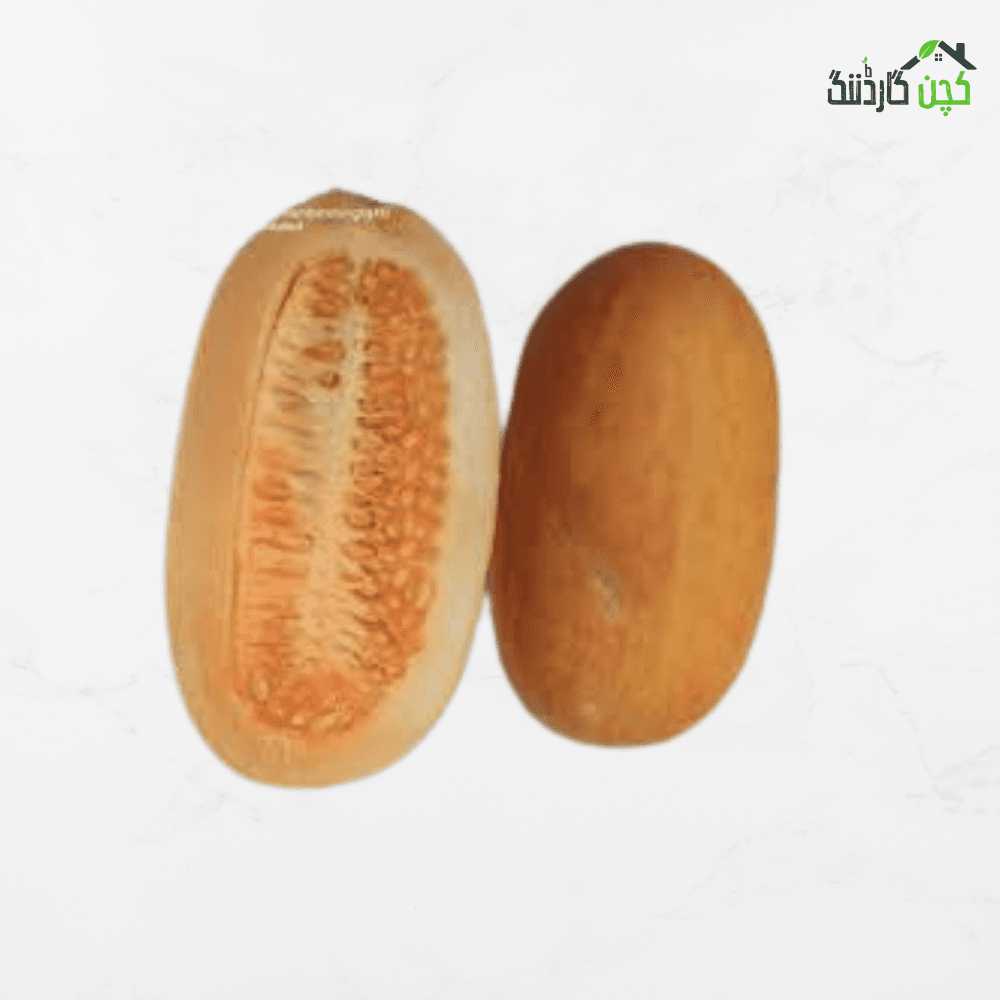
Phoot Melon Seeds in Pakistan – Buy Refreshing Melons Online | Home Gardens | kitchengardening.pk (25/50/100 Seeds)
₨ 250 – ₨ 750Price range: ₨ 250 through ₨ 750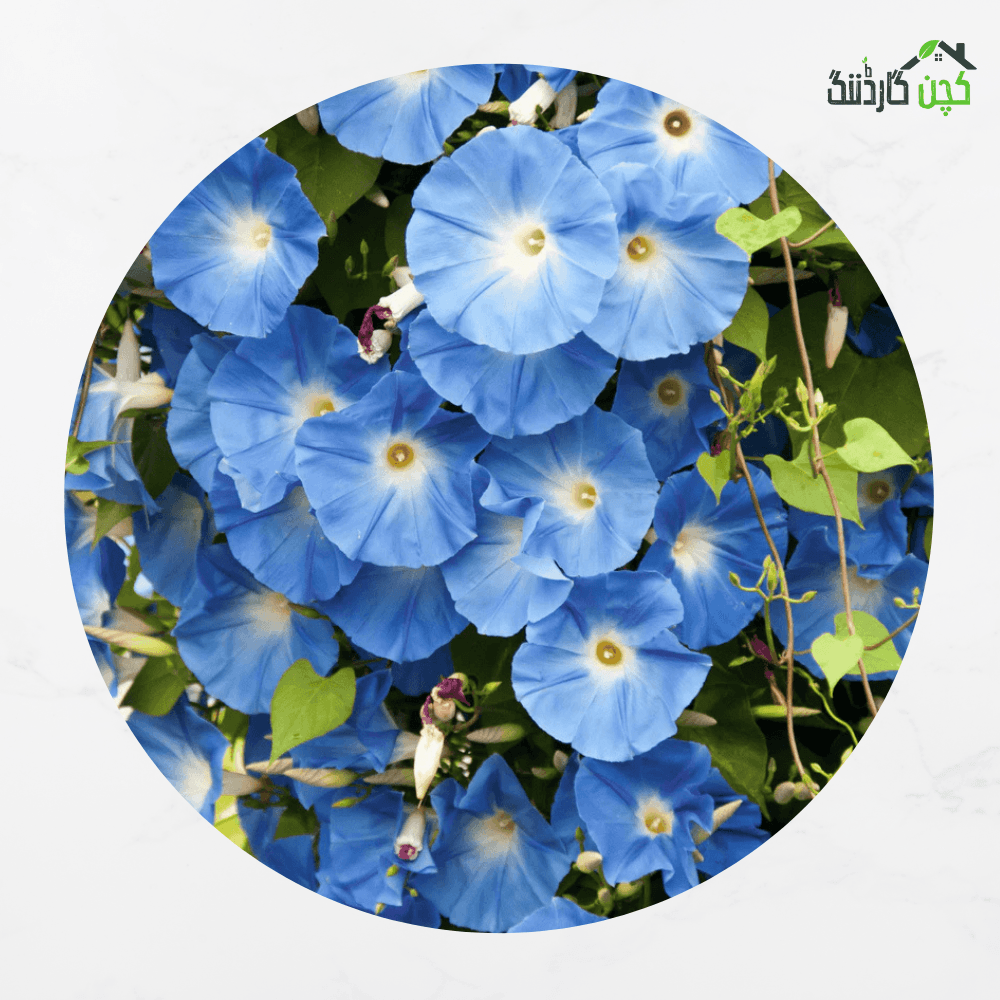
Morning Glory Blue Flower Seeds in Pakistan – Buy Fast-Growing Climber Seeds Online | Summer Blooms | kitchengardening.pk (Pack Sizes: 25/50/100 Seeds)
₨ 250 – ₨ 750Price range: ₨ 250 through ₨ 750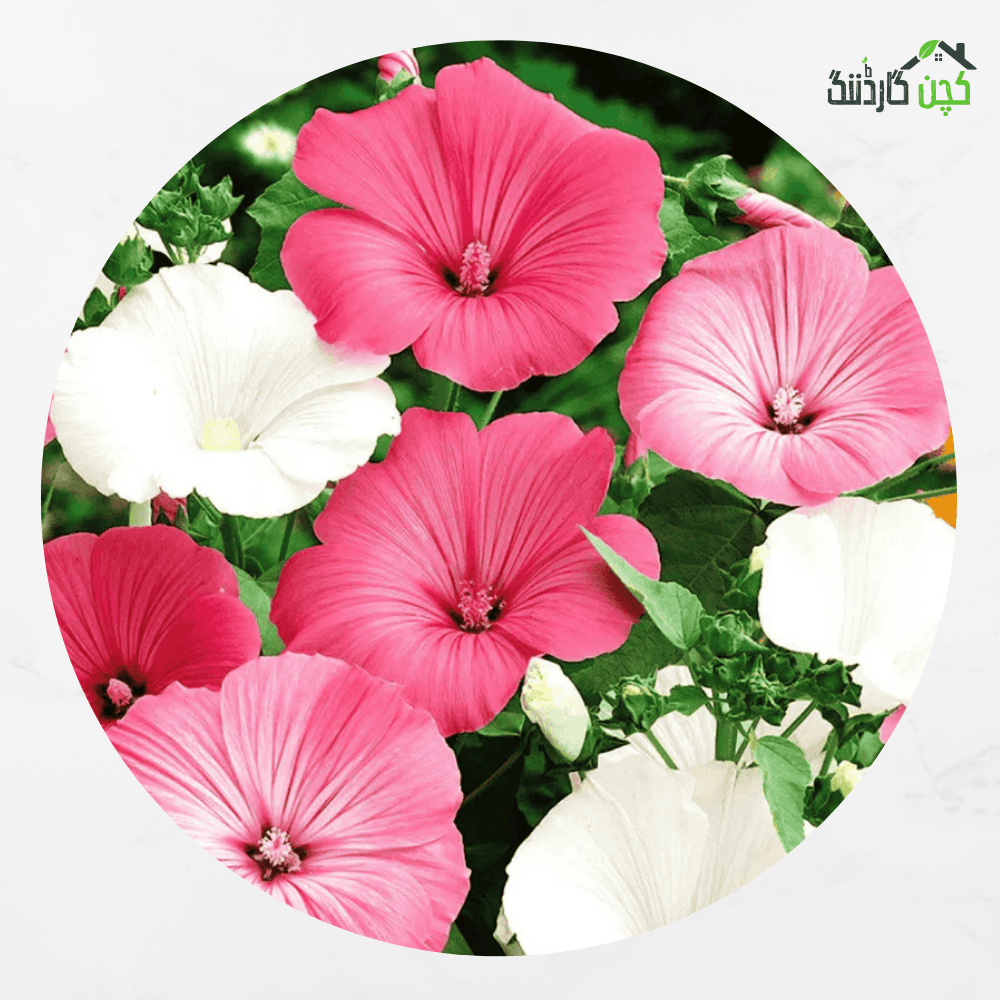
Lavatera Flower Seeds in Pakistan – Buy Fast-Growing Blooms Online | Perfect for Your Garden | kitchengardening.pk (25 Seeds / 50 Seeds / 100 Seeds)
₨ 250 – ₨ 750Price range: ₨ 250 through ₨ 750
Reviews
There are no reviews yet.