
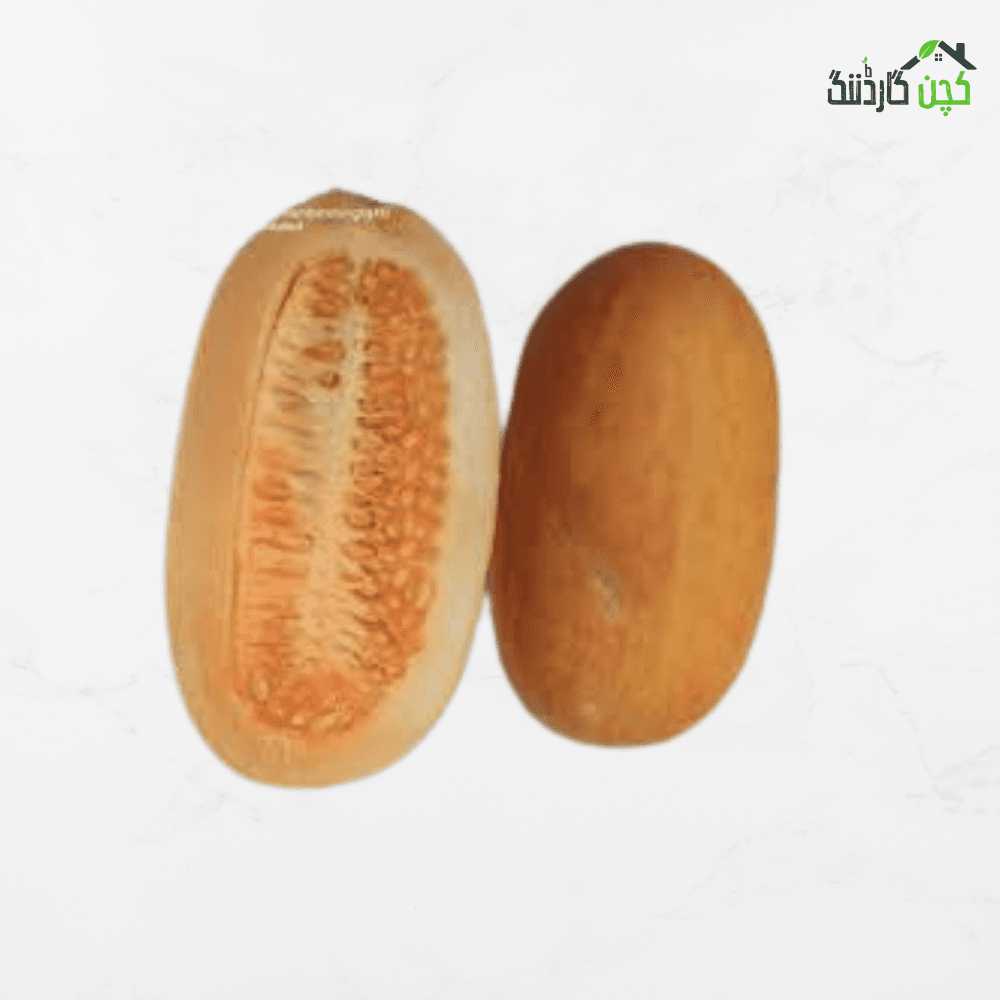
Phoot Melon Seeds in Pakistan – Buy Refreshing Melons Online | Home Gardens | kitchengardening.pk (25/50/100 Seeds)
Price range: ₨ 250 through ₨ 750
Cultivate Phoot Melon seeds in Pakistan for a fragrant and refreshing fruit perfect for summer. Ideal for balcony or garden growing.
Description
Phoot Melon Seeds Pakistan – Grow Refreshing Melons at Home!
Phoot Melon, known for its fragrant and mildly sweet taste, is a wonderful addition to any Pakistani home garden. These seeds are perfect for those who enjoy growing their own fruits on balconies, rooftops, or in open gardens. With a history rooted in South Asia, this melon thrives in Pakistan’s warm climate, offering a delightful harvest throughout the summer. Reliable and easy to grow, these seeds promise a bountiful yield of refreshing melons.
📋 Product Details
| Product Name | Phoot Melon Momordica Seeds |
| Brand | kitchengardening.pk |
| Pack Sizes | 25 Seeds / 50 Seeds / 100 Seeds |
| Seed Type | Open Pollinated |
| Germination Rate | 85%+ |
| Days to Harvest | 60-80 days |
| Country of Origin | South Asia |
| WhatsApp Contact | +92-3237299060 |
🛠️ What You Need
- Seeds Needed: 2-3 seeds per pot or sq ft.
- Minimum Pot Size: 8-inch pot minimum.
- Soil Type: Rich, well-drained soil; available at local nurseries.
- Tools Required: Trowel, spray bottle, watering can, dibber.
- Fertiliser: Use a balanced NPK 20-20-20 initially.
- Optional: Shade net for hot climates, drainage pebbles.
- Best Suited For: Balcony, Rooftop, Open Garden, Kitchen Garden.
📋 Sowing Guide – Step by Step
- Seed Soaking: Soak seeds in water for 24 hours before planting to enhance germination.
- Soil Preparation: Prepare the soil by mixing in organic compost for added nutrients.
- Sowing Depth: Plant seeds 1 cm deep in the soil.
- Spacing: Maintain 30 cm between each plant to allow for healthy growth.
- First Watering: Water lightly after sowing to moisten the soil.
- Germination Conditions: Keep the soil warm and consistently moist for optimal germination.
- Thinning: Once seedlings are about 4 inches (10 cm) tall, thin them to one plant per spot.
- Transplanting: If needed, transplant seedlings to larger pots or garden beds once they are strong and well established.
🪴 Soil Preparation
- Clearing Area: Remove any weeds or debris from the planting site.
- Loosening Depth: Loosen soil to a depth of 30 cm for root development.
- Drainage Check: Ensure good drainage to prevent waterlogging.
- Adding Organic Matter: Mix 2 kg of compost per sq ft to enrich soil.
- Levelling: Level the soil surface for even planting.
- Pre-Watering: Lightly water the soil a day before planting.
🧪 Soil Mix Formula
- 50% Garden Soil — provides base structure and minerals.
- 30% Compost — enriches soil with organic nutrients.
- 20% Sand — improves drainage and prevents waterlogging.
- Target pH Range: 6.0 to 7.0.
- Mixing Instruction: Combine ingredients thoroughly until uniform.
🌱 Germination & Growth Timeline
- Germination Days: 7-14 days.
- Ideal Temperature: 25-30°C.
- Light Needs: Full sunlight for at least 6 hours a day.
- Moisture Level: Keep soil consistently moist, not waterlogged.
- Seedling Stage Days: 14-21 days post-germination.
- Vegetative Stage: Continues until flowering begins.
- Flowering: Occurs approximately 30-40 days after sowing.
- Days to First Harvest: 60-80 days from sowing.
📅 Pakistan Planting Calendar
- Punjab (Lahore, Faisalabad, Sargodha, Multan): Best months are February to April.
- Sindh (Karachi, Hyderabad): Best months are January to March.
- KPK (Peshawar, Abbottabad): Best months are March to May.
- Balochistan (Quetta): Best months are April to June.
- Northern Areas: Best months are May to July.
- Avoid Planting In: Monsoon months (July-August) to prevent excessive water issues.
☀️ Growing Conditions
- Soil pH: 6.0 to 7.0.
- Sunlight Hours/Day: At least 6-8 hours.
- Watering Frequency: Twice a week during early stages, increase during dry spells.
- Temperature Range: 20°C to 35°C.
- Humidity: Moderate; ensure air circulation.
- Spacing Between Plants: 30 cm.
- Minimum Pot Depth: 20 cm (8 inches).
🌿 Fertilizer Plan
- Seedling Stage (Week 1-2): Apply a diluted NPK 20-20-20 solution.
- Vegetative Stage (Week 3-6): Increase NPK 20-20-20 to support growth.
- Flowering Stage: Switch to NPK 5-15-45 to enhance fruiting.
- Fruiting Stage: Continue NPK 5-15-45 every 2-3 weeks.
- What to Avoid: Avoid over-fertilizing which can damage roots.
🐛 Common Pests & Diseases
- Aphids (Aphididae): Yellowing leaves and sticky residue. Use neem oil for control.
- Powdery Mildew (Fungal): White powdery spots on leaves. Apply sulfur-based fungicide.
- Spider Mites (Tetranychidae): Webbing and leaf discoloration. Use insecticidal soap.
- Cucumber Beetles (Acalymma vittatum): Chewed leaves. Handpick or use row covers.
- Mosaic Virus: Stunted growth and mottled leaves. Remove infected plants to prevent spread.
🌼 Companion Plants & Crops
- Corn: Provides shade and support.
- Radishes: Break up soil for better aeration.
- Marigolds: Deter pests naturally.
- Lettuce: Shares similar sunlight needs.
- Peas: Fix nitrogen, enriching soil.
- Avoid Planting: Potatoes (compete for nutrients), Onions (inhibit growth), Garlic (allelopathy).
✂️ Harvesting & Fruiting Period
- Days from Sowing to Harvest: 60-80 days.
- Visual Signs of Readiness: Melons emit a sweet fragrance and detach easily.
- Best Time of Day to Harvest: Early morning or late afternoon.
- Tool/Technique: Use a sharp knife or scissors.
- Harvest Frequency: Every 3-4 days once ripe.
- How Many Harvests per Season: Multiple, depending on care.
- Post-Harvest Handling and Storage: Store in a cool place; refrigerate for longer shelf life.
🗓 Care & Maintenance Schedule
- Week 1-2: Water regularly, keep soil moist.
- Week 3-4: Apply NPK 20-20-20, monitor for pests.
- Month 2: Switch to NPK 5-15-45, prune excess growth.
- Month 3+: Continue regular watering, pest inspection, and fertilizing.
- Fertiliser Schedule: Every 2-3 weeks.
- Pruning: Remove dead or excess leaves.
- Pest Inspection: Weekly checks for infestations.
🏠 Indoor vs Outdoor Growing
- Indoor/Balcony: Requires at least 6 hours of sunlight. Ensure good drainage. Ideal for small spaces.
- Outdoor/Garden: Space plants 30 cm apart for best yield. Needs consistent watering.
- Rooftop: Use large containers to prevent heat stress. Provide shade during peak sun.
📦 Seed & Produce Storage
- Seed Storage: Use airtight containers, keep cool and dry. Shelf life: 1-2 years.
- Harvested Produce Storage: Refrigerate for up to 2 weeks. Room temperature: 3-5 days.
- Drying/Preserving: Not applicable for melons, consume fresh.
⚠️ Precautions
- Overwatering: Can lead to root rot, ensure proper drainage.
- Sunburn: Provide shade during extreme heat.
- Pest Management: Regular checks and natural deterrents.
- Fertilizer Burn: Avoid excess application.
- Cross-Pollination: Isolate from other melon varieties.
- Temperature Fluctuations: Protect from sudden cold.
- Soil Quality: Test and adjust pH as needed.
- Harvest Timing: Avoid leaving ripe melons on vine too long.
✅ Key Benefits
- High Germination Rate — These seeds boast an 85%+ germination rate, ensuring a successful start to your garden.
- Refreshing Taste — Enjoy the mildly sweet and fragrant melons ideal for summer refreshments.
- Easy to Grow — Perfect for beginners and seasoned gardeners, these seeds thrive in Pakistan’s climate.
- Versatile Growing Locations — Suitable for balcony, rooftop, or open garden planting.
- Organic Gardening — Grow your own melons free from harmful chemicals and pesticides.
- Cost-Effective — Save money by growing your own melons at home rather than buying from the market.
- Cultural Heritage — Connect with South Asian traditions through this historically cultivated fruit.
❓ Frequently Asked Questions
- How long does it take for Phoot Melon seeds to germinate?
Phoot Melon seeds typically germinate within 7 to 14 days under optimal conditions. - What is the best pot size for growing these melons?
An 8-inch pot is the minimum size recommended for growing Phoot Melon plants. - When is the best season to plant Phoot Melons in Pakistan?
Spring and early summer are ideal for planting Phoot Melons in most regions of Pakistan. - What are common problems when growing Phoot Melons?
Common issues include pest infestations and overwatering, which can lead to root rot. - How can I tell if my melons are ready to harvest?
Melons are ready to harvest when they emit a fragrant aroma and have a slight give when pressed.
🌱 Free Gardening Consultation
Need help with your home garden? Contact our experts at +92-3237299060 for personalized advice on growing Phoot Melons.
Additional information
| size | 100 Seeds Per Pack, 25 Seeds Per Pack, 50 Seeds Per Pack |
|---|
Only logged in customers who have purchased this product may leave a review.
Related products
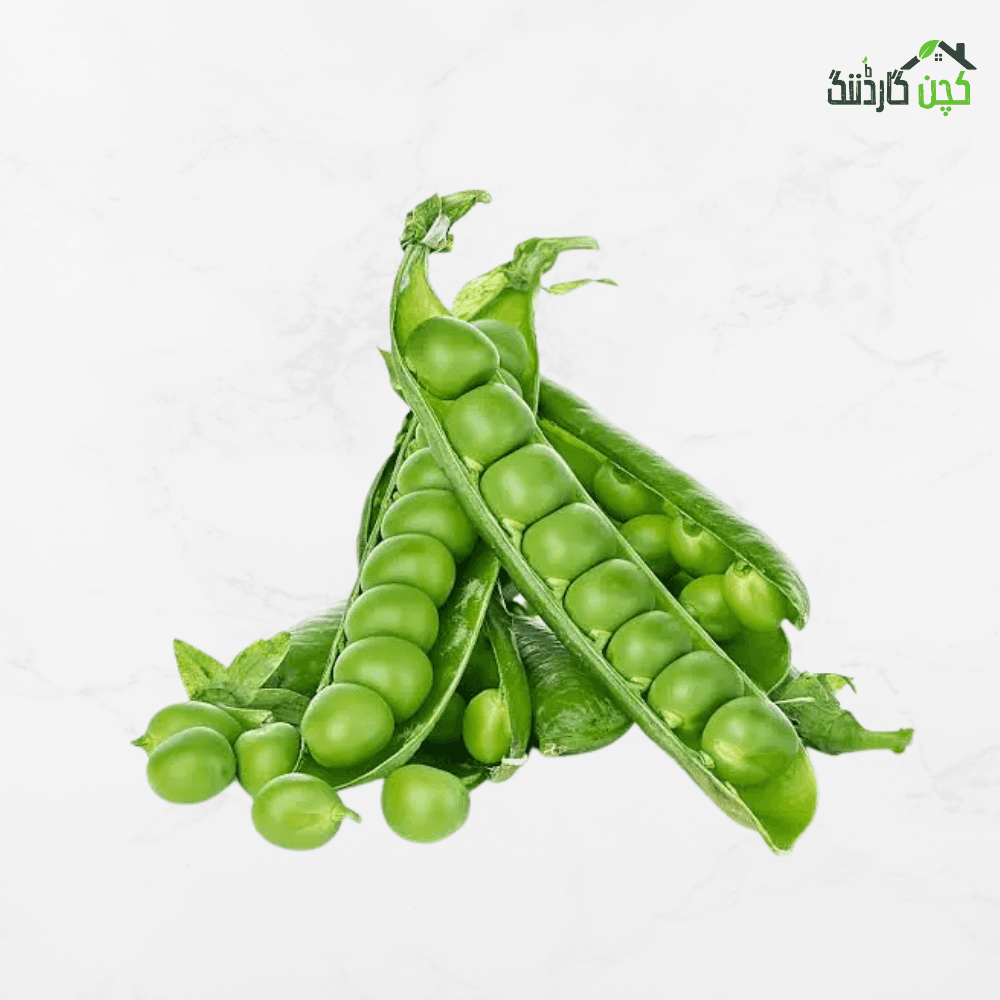
Green Peas (Matar) Seeds in Pakistan – Buy Healthy Green Peas Seeds Online | Kitchen Gardening | kitchengardening.pk (Pack Sizes Available)
₨ 250 – ₨ 750Price range: ₨ 250 through ₨ 750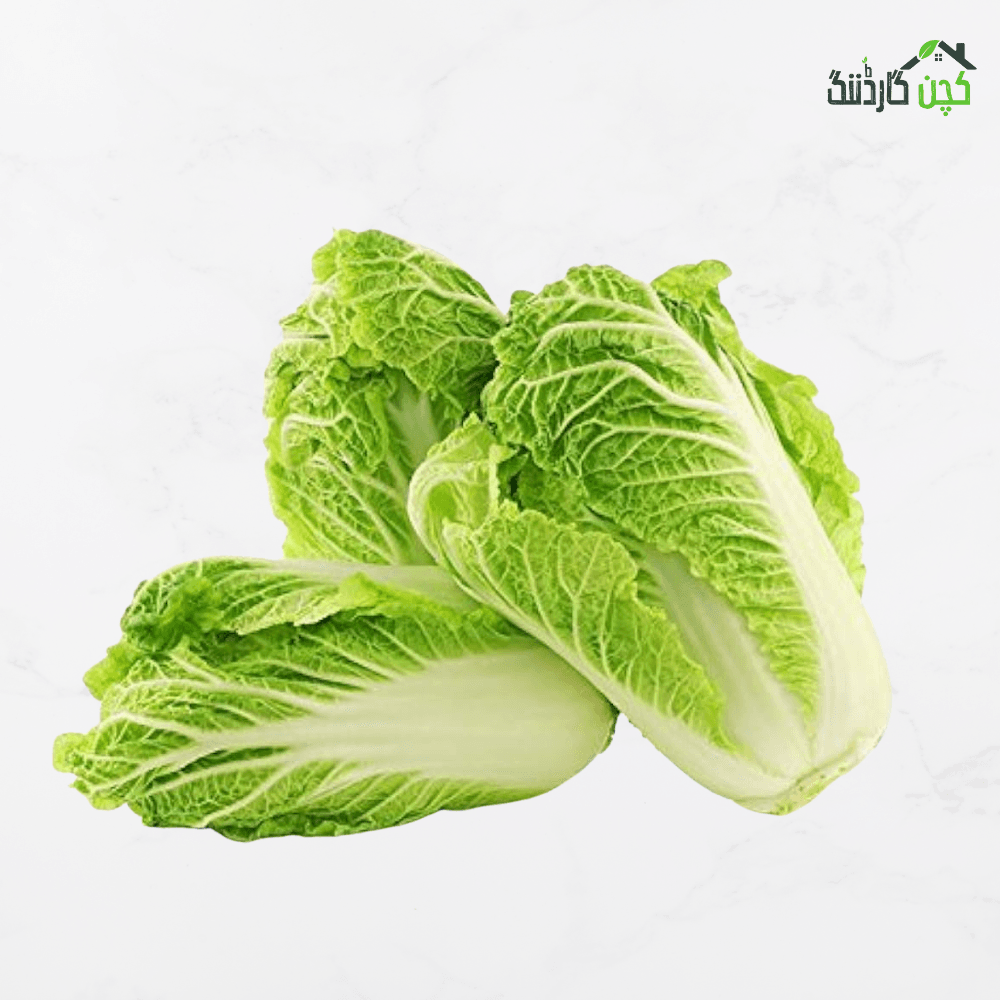
China Cabbage Seeds in Pakistan – Buy Fresh, Nutritious Cabbage Online | kitchengardening.pk (25/50/100 Seeds)
₨ 250 – ₨ 750Price range: ₨ 250 through ₨ 750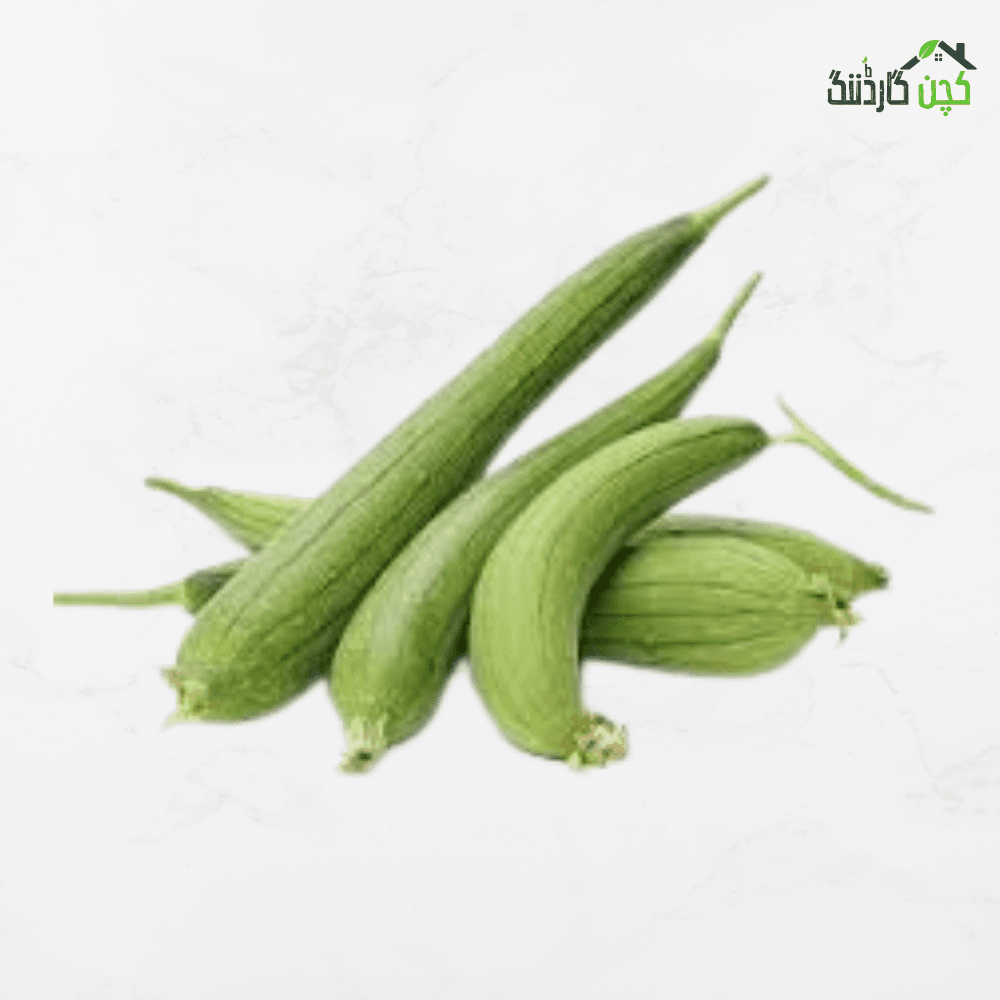
Zucchini (Kali Tori) Seeds in Pakistan – Buy High-Yield Zucchini Online | Perfect for Kitchen Gardens | kitchengardening.pk (25, 50, 100 Seeds)
₨ 500 – ₨ 750Price range: ₨ 500 through ₨ 750
Amaranthus Foxtail Flower Seeds in Pakistan – Buy Colorful Blooms Online | Balcony & Rooftop Gardens | kitchengardening.pk (25/50/100 Seeds)
₨ 250 – ₨ 750Price range: ₨ 250 through ₨ 750
Reviews
There are no reviews yet.