
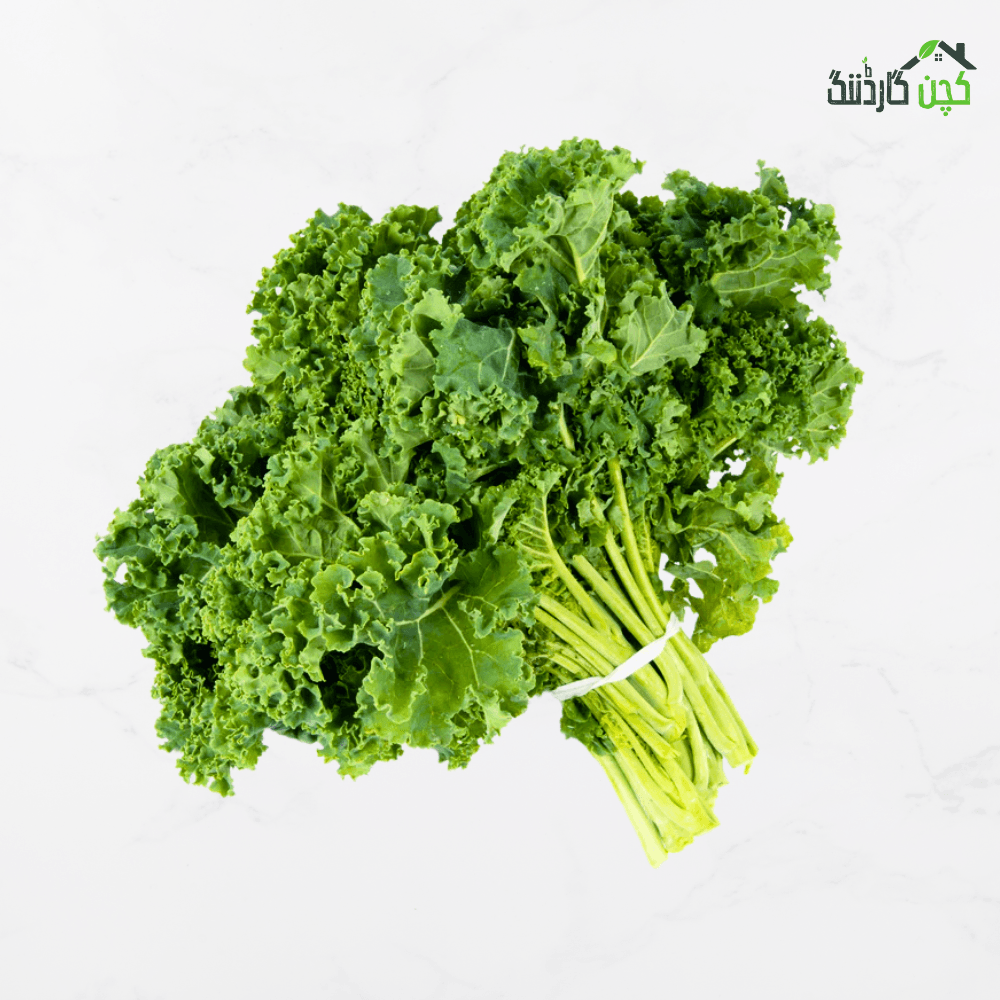
Curly Kale Seeds in Pakistan – Buy Superfood Greens Online | Perfect for Kitchen Gardens | kitchengardening.pk (25 Seeds / 50 Seeds / 100 Seeds)
Price range: ₨ 250 through ₨ 750
Buy Curly Kale seeds in Pakistan and grow nutritious superfoods in your kitchen garden. Perfect for salads and smoothies.
Description
Curly Kale Seeds Pakistan – Grow Healthy Superfoods Easily
Curly Kale Seeds are a fantastic choice for home gardeners in Pakistan looking to grow nutritious greens. These seeds produce leafy, nutrient-dense plants that thrive in various conditions, making them perfect for balcony, rooftop, or open garden settings. With proper care, your plants will yield delicious kale that you can use in salads, smoothies, and traditional dishes like saag. Trust these reliable seeds to enhance your gardening experience and provide fresh, healthy produce right at home.
📋 Product Details
| Product Name | Organic Curly Kale Seeds |
| Brand | kitchengardening.pk |
| Pack Sizes | 25 Seeds / 50 Seeds / 100 Seeds |
| Net Weight | 2g |
| Seed Type | Open Pollinated |
| Germination Rate | 90%+ |
| Days to Harvest | 60-80 days |
| Country of Origin | USA |
| WhatsApp Contact | +92-3237299060 |
🛠️ What You Need
- Seeds Needed: 1-2 seeds per pot or 4-6 seeds per sq ft.
- Minimum Pot Size: 8-inch pot minimum.
- Soil Type: Well-draining, rich loamy soil. You can buy it from local nurseries.
- Tools Required: Trowel, spray bottle, watering can, dibber for planting.
- Fertiliser: Use balanced organic fertiliser, first needed at planting time.
- Optional: Shade net for hot weather, grow light for indoor planting, drainage pebbles for potting.
- Best Suited For: Backyard, balcony, rooftop, window sill, or open field gardens.
📋 Sowing Guide – Step by Step
- **Seed Soaking ** Soak seeds in water for 4-6 hours to enhance germination.
- **Soil Preparation ** Prepare a rich, well-draining soil mix as described in the soil mix section.
- **Sowing Depth ** Sow seeds at a depth of 1-2 cm.
- **Spacing ** Space seeds 30 cm apart for optimal growth.
- **First Watering ** Water gently after sowing, ensuring the soil is moist but not waterlogged.
- **Germination Conditions ** Maintain a temperature of 15-20°C with indirect sunlight for germination.
- **Thinning ** Once seedlings are 5-10 cm tall, thin them to allow space for healthy growth.
- **Transplanting ** Transplant seedlings to larger containers or garden beds when they have 3-4 true leaves.
🪴 Soil Preparation
- Clearing Area: Clear the planting area of weeds and debris.
- Loosening Depth: Loosen the soil to a depth of 20 cm to promote root growth.
- Drainage Check: Ensure the area drains well to prevent waterlogging.
- Adding Organic Matter: Mix 2-3 kg of compost or well-rotted manure per sq ft for nutrient boost.
- Levelling: Level the soil surface to facilitate even water distribution.
- Pre-Watering: Water the area before planting to ensure moisture retention.
🧪 Soil Mix Formula
- 50% Garden Soil — provides base structure and minerals
- 30% Compost — enriches soil with nutrients and improves moisture retention
- 20% Perlite — enhances drainage and aeration
- Target pH range: 6.0-7.0. Mix thoroughly until uniform.
🌱 Germination & Growth Timeline
- Germination Days: 7-14 days.
- Ideal Temperature: 15-20°C.
- Light Needs: Indirect sunlight is best during germination.
- Moisture Level: Keep soil consistently moist but not soggy.
- Seedling Stage: Lasts about 3-4 weeks.
- Vegetative Stage: 4-6 weeks after germination.
- Flowering Stage: Begins around 6-8 weeks.
- Days to First Harvest: Approximately 60-80 days from sowing.
📅 Pakistan Planting Calendar
- Punjab (Lahore, Faisalabad, Sargodha, Multan): Best months are September to November and February to April.
- Sindh (Karachi, Hyderabad): Best months are September to November.
- KPK (Peshawar, Abbottabad): Best months are August to October and February to April.
- Balochistan (Quetta): Best months are September to November.
- Northern Areas: Best months are March to June.
- Avoid Planting In: December and January due to cold temperatures.
☀️ Growing Conditions
- Soil pH: 6.0-7.0.
- Sunlight Hours/Day: 6-8 hours of indirect sunlight.
- Watering Frequency: Water every 2-3 days, more frequently in hot weather.
- Temperature Range: Min 10°C, Max 25°C.
- Humidity: Moderate humidity is ideal, around 50-70%.
- Spacing Between Plants: 30 cm apart for optimal growth.
- Minimum Pot Depth: 8 inches.
🌿 Fertilizer Plan
- Seedling Stage (Week 1-2): Apply a balanced organic fertiliser at half strength.
- Vegetative Stage (Week 3-6): Increase fertiliser to full strength every 2 weeks.
- Flowering Stage: Fertilise every 3 weeks with a high-nitrogen formula.
- Fruiting Stage: Switch to a balanced fertiliser for nutrient support.
- What to Avoid: Do not over-fertilise; it can lead to nutrient burn and poor plant health.
🐛 Common Pests & Diseases
- Aphids (Aphid): Small insects on leaves. Organic solution: Spray with neem oil. Chemical option: Insecticidal soap. Prevention tip: Regularly inspect and remove infested leaves.
- Downy Mildew (Fungal Disease): Greyish-white spots on leaves. Organic solution: Improve air circulation. Chemical option: Fungicides. Prevention tip: Avoid overhead watering.
- Cabbage Worms (Cabbage Ke Kide): Green caterpillars on leaves. Organic solution: Handpick or use bacillus thuringiensis. Chemical option: Insecticides. Prevention tip: Use row covers.
- Flea Beetles (Flea Beetle): Small jumping insects causing holes in leaves. Organic solution: Neem oil spray. Chemical option: Pyrethroids. Prevention tip: Keep the garden clean and free of debris.
- Whiteflies (Whitefly): Tiny white insects under leaves. Organic solution: Yellow sticky traps. Chemical option: Systemic insecticides. Prevention tip: Maintain plant health to deter infestations.
🌼 Companion Plants & Crops
- Lettuce: Grows well together, sharing similar growing conditions and preventing pests.
- Beets: Help improve soil nutrients and deter pests.
- Onions: Their strong smell can repel common pests that harm kale.
- Carrots: Benefit from similar soil conditions and help aerate the soil.
- Radishes: Serve as a trap crop to deter pests away from kale.
- Plants to Avoid:
- Tomatoes: They may attract pests that can harm kale.
- Potatoes: They compete for nutrients and space.
- Cabbage: They share similar pests, increasing the risk of infestations.
✂️ Harvesting & Fruiting Period
- Days from Sowing to Harvest: Approximately 60-80 days.
- Visual Signs of Readiness: Look for fully developed, vibrant green leaves.
- Best Time of Day to Harvest: Early morning for maximum freshness.
- Tool/Technique: Use scissors or shears to avoid damaging the plant.
- Harvest Frequency: Regularly harvest leaves, allowing new growth.
- Post-Harvest Handling: Store in the refrigerator to maintain freshness, lasts up to a week.
🗓 Care & Maintenance Schedule
- Week 1-2: Water daily and check for pests; ensure soil is moist.
- Week 3-4: Continue watering, apply fertiliser, and thin seedlings.
- Month 2: Monitor growth, check for diseases, and continue fertilisation.
- Month 3+: Maintain regular watering, inspect for pests, and continue harvesting leaves.
🏠 Indoor vs Outdoor Growing
- Indoor/Balcony: Requires at least 4-6 hours of indirect sunlight; pots should have good drainage. Advantages include ease of access and control over conditions. Limitations include potential space constraints.
- Outdoor/Garden: Provides ample space for growth; expected yield is higher. Requires more water and monitoring for pests.
- Rooftop: Consider heat management; use larger containers to retain moisture.
📦 Seed & Produce Storage
- Seed Storage: Store in a cool, dry container, preferably in a refrigerator; shelf life is 2-3 years.
- Harvested Produce Storage: Refrigerate freshly harvested kale; it keeps for up to a week.
- Drying/Preserving: If preserving, consider blanching leaves before freezing to maintain quality.
⚠️ Precautions
- Avoid Overwatering: Too much water can lead to root rot.
- Check for Pests Regularly: Early detection can prevent infestations.
- Use Organic Methods When Possible: Protect beneficial insects in your garden.
- Rotate Crops: Helps prevent soil-borne diseases.
- Avoid Planting in Extreme Heat: Kale prefers cooler temperatures.
- Provide Support for Tall Plants: If growing alongside taller plants, ensure they don’t shade the kale.
✅ Key Benefits
- Nutrient-Rich — Curly kale is packed with vitamins A, C, and K, making it an excellent addition to your diet.
- Versatile Use — Perfect for salads, smoothies, and traditional dishes, adding flavor and nutrition to your meals.
- Easy to Grow — These seeds are designed for beginner and experienced gardeners alike, ensuring a successful harvest.
- High Germination Rate — With a germination rate of 90%+, you can expect a robust growth from your seeds.
- Adaptable — Thrives in pots, containers, and open gardens, making it suitable for various gardening spaces.
- Cool-Season Crop — Best grown in spring and autumn, allowing you to enjoy fresh produce during cooler months.
- Organic Certified — Our seeds are non-GMO and organic, providing you with safe and healthy options for your kitchen garden.
❓ Frequently Asked Questions
- What is the germination time for Curly Kale seeds?
Curly Kale seeds typically germinate within 7-14 days under optimal conditions. Ensure proper moisture and temperature for best results. - What size pot do I need for growing kale?
A minimum pot size of 8 inches is recommended for growing Curly Kale. This allows enough space for root development. - When is the best season to plant in Pakistan?
The best time to plant Curly Kale in Pakistan is during the spring and autumn months when the temperatures are cooler. - What are common problems when growing kale?
Common issues include pests like aphids and diseases such as downy mildew. Regular inspection and organic treatments can help manage these problems. - How do I know when to harvest my kale?
Kale is ready to harvest when the leaves are fully formed, typically around 60-80 days after sowing. Look for vibrant green leaves and harvest in the morning for best flavor.
🌱 Free Gardening Consultation
If you have any questions or need guidance, feel free to reach out at +92-3237299060 for a free consultation on your gardening journey.
Additional information
| size | 100 Seeds Per Pack, 25 Seeds Per Pack, 50 Seeds Per Pack |
|---|
Related products

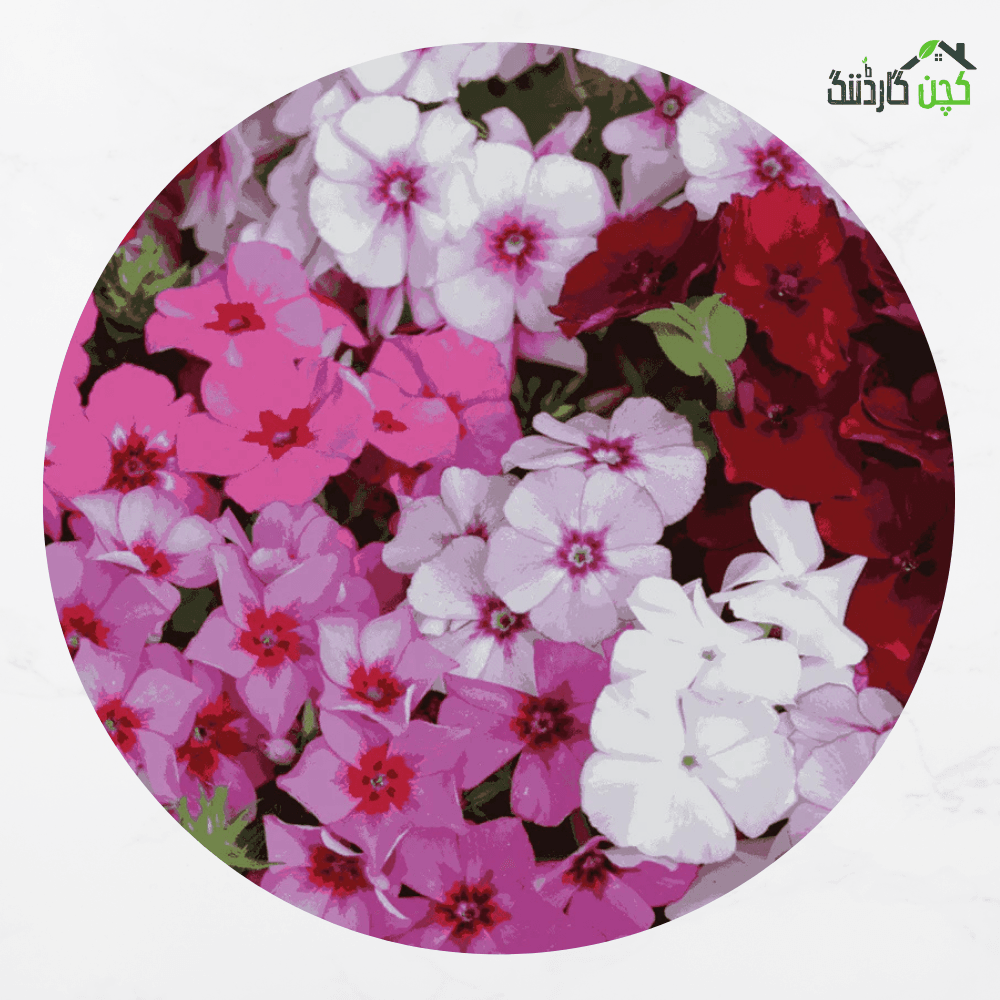
Phlox Drummondii Flower Seeds in Pakistan – Buy Vibrant Blooms Online | kitchengardening.pk (25 Seeds / 50 Seeds / 100 Seeds)
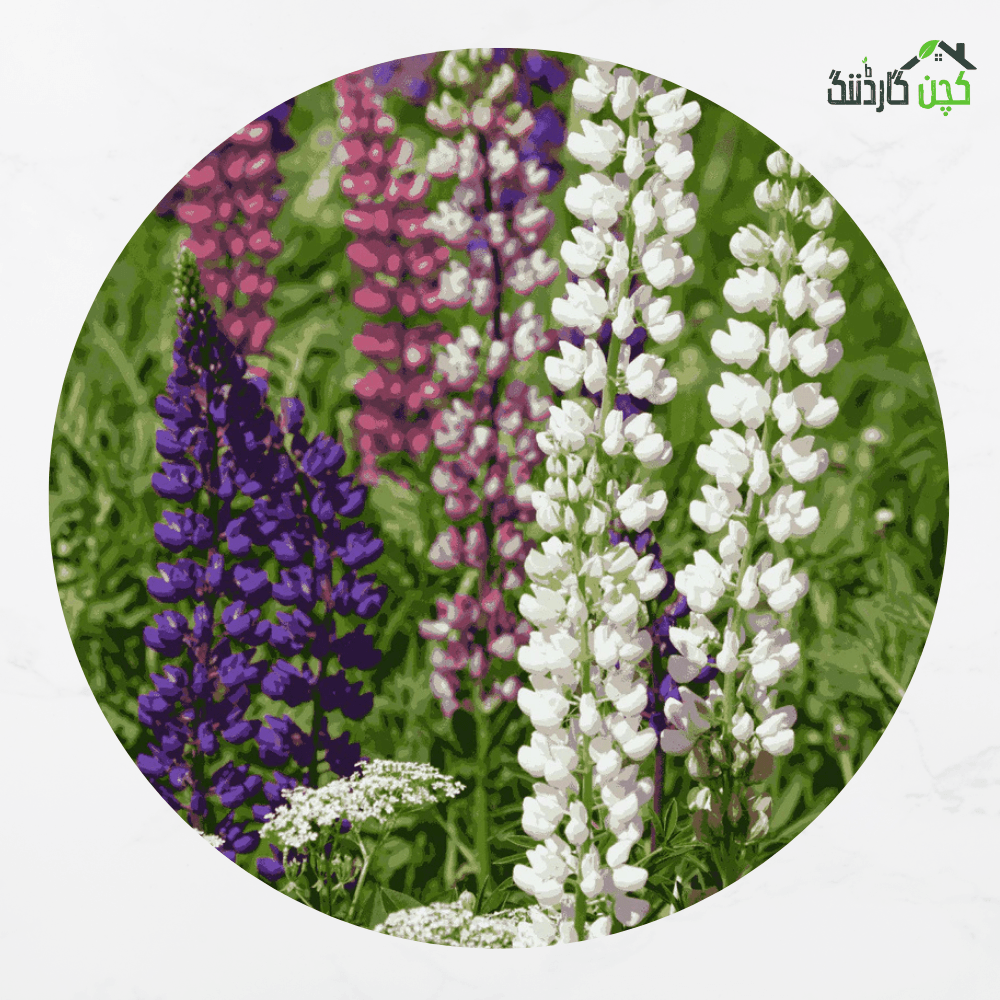
₨ 250 – ₨ 750Price range: ₨ 250 through ₨ 750Lupine Mix Seeds in Pakistan – Buy Colorful Flower Seeds Online | Perfect for Gardens | kitchengardening.pk (25 Seeds / 50 Seeds / 100 Seeds)
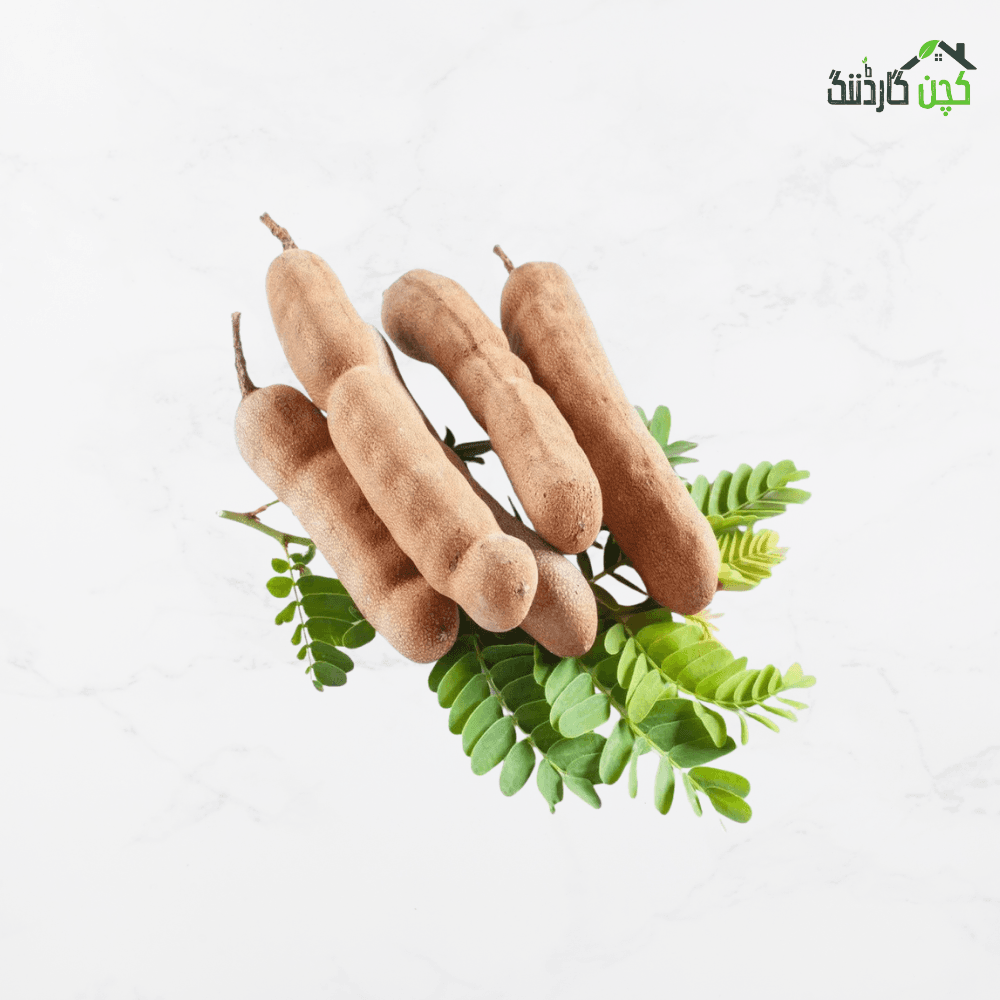
₨ 250 – ₨ 750Price range: ₨ 250 through ₨ 750Tamarind Tree Seeds in Pakistan – Buy Quality Tamarind Seeds Online | Kitchen Gardens | kitchengardening.pk (25/50/100 Seeds)
₨ 250 – ₨ 750Price range: ₨ 250 through ₨ 750Lavender Seeds in Pakistan – Buy Fragrant Culinary & Medicinal Herb Online | Balcony Gardens | kitchengardening.pk (25/50/100 Seeds)
₨ 250 – ₨ 750Price range: ₨ 250 through ₨ 750
Reviews
There are no reviews yet.