
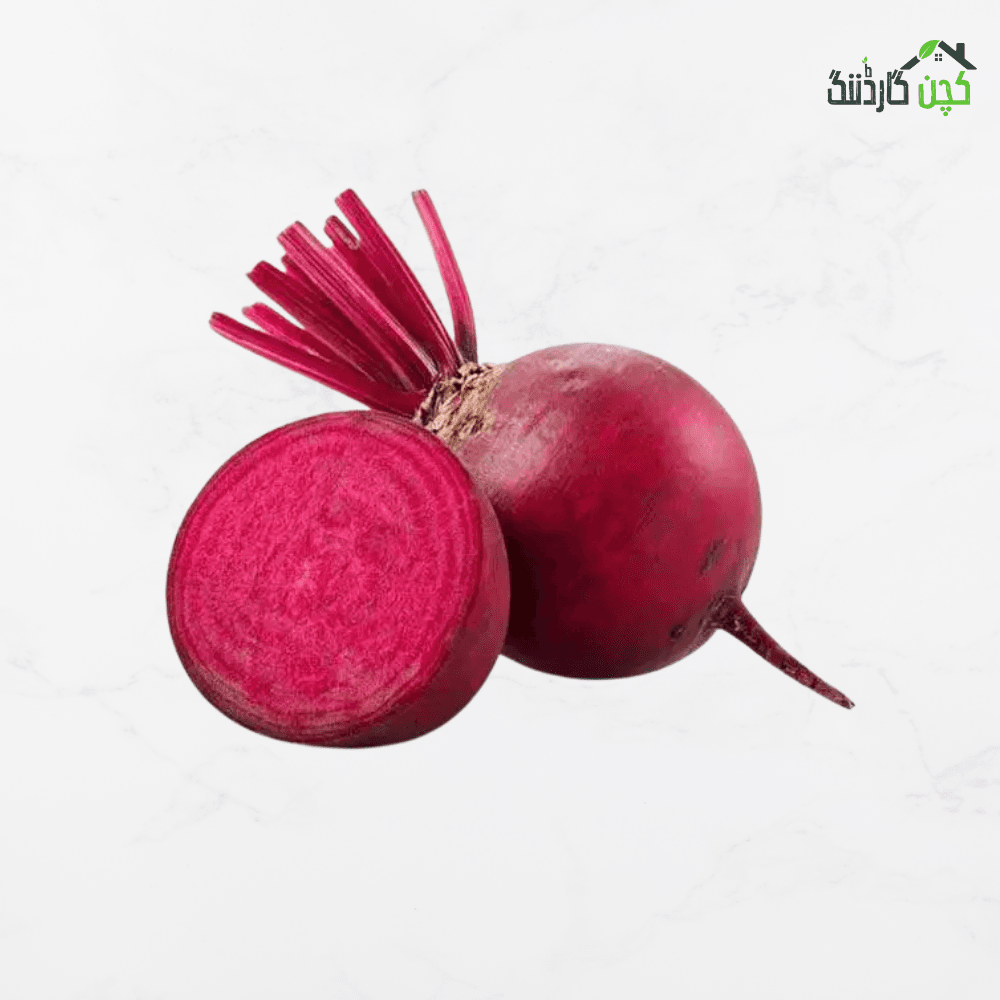
Desi Beetroot (Chukander) Seeds in Pakistan – Buy Nutrient-Rich Seeds Online | Perfect for Kitchen Gardens | kitchengardening.pk (25/50/100 Seeds)
Price range: ₨ 250 through ₨ 750
Discover the joy of growing Desi Beetroot (Chukander) Seeds in your kitchen garden. These heirloom, non-GMO seeds ensure a bountiful and nutritious harvest.
Description
Desi Beetroot (Chukander) Seeds Pakistan – Grow Fresh, Nutritious Beetroots at Home
Desi Beetroot (Chukander) Seeds are perfect for any home gardener looking to cultivate a nutritious vegetable. Known for their rich flavor and vibrant color, these heirloom seeds are non-GMO and easy to grow. Pakistani home gardeners love them for their versatility, as they can thrive in pots, containers, or open gardens. With reliable germination and a quick growth cycle, these seeds will help you enjoy fresh beetroots right from your own garden.
📋 Product Details
| Product Name | Desi Beetroot (Chukander) Seeds |
| Brand | kitchengardening.pk |
| Pack Sizes | 25 Seeds / 50 Seeds / 100 Seeds |
| Net Weight | 5g |
| Seed Type | Open Pollinated |
| Germination Rate | 90%+ |
| Days to Harvest | 60-80 days |
| Country of Origin | Pakistan |
| WhatsApp Contact | +92-3237299060 |
🛠️ What You Need
- Seeds: Approximately 10-12 seeds per square foot.
- Pot Size: Minimum of 8 inches in diameter.
- Soil Type: Well-draining potting mix, available at local garden centers.
- Tools Required: Trowel, spray bottle, watering can, and dibber for planting.
- Fertiliser: Use a balanced fertiliser (NPK 10-10-10) after 3 weeks of sowing.
- Optional Items: Shade net for hot days, grow light if indoors, and drainage pebbles for pots.
- Best Suited For: Backyard, balcony, rooftop, window sill, or open field gardening.
📋 Sowing Guide – Step by Step
- Soak Seeds: Soak seeds in water for 24 hours to enhance germination.
- Prepare Soil: Mix potting soil with organic compost for nutrients.
- Sowing Depth: Sow seeds at a depth of 1-2 cm.
- Spacing: Space seeds about 10-15 cm apart.
- First Watering: Water gently after sowing to moisten the soil without washing away seeds.
- Germination Conditions: Place in a warm area (15-20°C) with indirect light.
- Thinning: Once seedlings are 5-7 cm tall, thin them to 10-15 cm apart.
- Transplanting: Transplant seedlings when they have 2-3 true leaves, ideally on a cloudy day.
🪴 Soil Preparation
- Clearing Area: Remove weeds and debris from the planting area.
- Loosening Depth: Loosen the soil to a depth of 20-25 cm for optimal root growth.
- Drainage Check: Ensure the area has good drainage to prevent waterlogging.
- Adding Organic Matter: Mix 1-2 kg of compost per square meter to enrich soil.
- Leveling: Level the soil surface to prevent pooling of water.
- Pre-Watering: Water the area a day before planting to ensure moisture retention.
🧪 Soil Mix Formula
- 50% Garden Soil — provides base structure and minerals.
- 30% Compost — enriches soil with nutrients and improves moisture retention.
- 20% Perlite — enhances drainage and aeration in the soil mix.
- Target pH range: 6.0 to 7.0. Mix thoroughly before planting.
🌱 Germination & Growth Timeline
- Germination Days: 7-14 days.
- Ideal Temperature: 15-20°C for optimal germination.
- Light Needs: Indirect sunlight is ideal during germination.
- Moisture Level: Keep the soil consistently moist but not waterlogged.
- Seedling Stage: Lasts from germination until seedlings are about 5 cm tall.
- Vegetative Stage: Begins after true leaves develop and continues until flowering.
- Flowering: Occurs after 6-8 weeks, leading to seed formation.
- Days to First Harvest: Approximately 60-80 days from sowing.
📅 Pakistan Planting Calendar
- Punjab (Lahore, Faisalabad, Sargodha, Multan): Best months are September to November and February to April.
- Sindh (Karachi, Hyderabad): Ideal planting months are October to March.
- KPK (Peshawar, Abbottabad): Best to plant from March to May.
- Balochistan (Quetta): Planting is best from September to November.
- Northern Areas: Planting is best in April and May.
- Avoid Planting In: June to August due to high temperatures affecting germination.
☀️ Growing Conditions
- Soil pH: 6.0 to 7.0 for optimal growth.
- Sunlight Hours/Day: Requires at least 6 hours of sunlight.
- Watering Frequency: Water every 2-3 days, more frequently in hotter weather.
- Temperature Range: Minimum 10°C, maximum 30°C.
- Humidity: Ideally between 40-70%.
- Spacing Between Plants: Maintain 10-15 cm distance between plants.
- Minimum Pot Depth: 30 cm for proper root growth.
🌿 Fertilizer Plan
- Seedling Stage (Week 1-2): Use a diluted liquid fertiliser (30g per 10L of water).
- Vegetative Stage (Week 3-6): Fertilize with 50g of balanced NPK.
- Flowering Stage: Apply 50g of phosphorus-rich fertiliser when flowers appear.
- Fruiting Stage: Use a potassium-rich fertiliser to promote root growth.
- What to Avoid: Avoid over-fertilising as it can lead to nutrient burn.
🌼 Companion Plants & Crops
- Carrots: They help deter pests that target beetroots.
- Onions: Their strong smell can repel aphids.
- Garlic: Acts as a natural pest deterrent when planted nearby.
- Lettuce: Grows well alongside beetroots, utilizing space effectively.
- Radishes: Can be harvested early, allowing beetroots more room to grow.
- Avoid: Beans: They can compete for nutrients and space.
- Avoid: Cabbage: Attracts similar pests as beetroots.
- Avoid: Potatoes: They can inhibit beetroot growth due to similar nutrient needs.
✂️ Harvesting & Fruiting Period
- Days from Sowing to Harvest: Approximately 60-80 days.
- Visual Signs of Readiness: Roots should be about 5-7 cm in diameter.
- Best Time of Day to Harvest: Early morning when temperatures are cooler.
- Tool/Technique: Use a garden fork to gently lift the beetroots from the soil.
- Harvest Frequency: Harvest as needed, ideally every few weeks.
- Post-Harvest Handling: Store in a cool, dark place or refrigerate for longer freshness.
🗓 Care & Maintenance Schedule
- Week 1-2: Water regularly and monitor for pests.
- Week 3-4: Apply fertiliser and thin seedlings as needed.
- Month 2: Check for signs of diseases and pests; maintain watering schedule.
- Month 3+: Continue pest monitoring and adjust watering for mature plants.
- Fertiliser Schedule: Follow the stage-wise plan outlined above.
- Pruning: Remove any dead or yellowing leaves to promote healthy growth.
- Inspection: Regularly check for pests and diseases, especially during warm weather.
🏠 Indoor vs Outdoor Growing
- Indoor/Balcony: Needs at least 4-6 hours of sunlight; suitable for containers.
- Advantages: Easier pest control and convenience of harvesting.
- Limitations: Limited space may restrict growth.
- Outdoor/Garden: Requires more space; ideal for larger yields.
- Expected Yield: Higher yield per plant in open soil.
- Water Needs: Require consistent watering, especially in dry spells.
- Rooftop: Ensure proper drainage and additional shade during peak summer heat.
📦 Seed & Produce Storage
- Seed Storage: Store in a cool, dry container away from sunlight; shelf life is approximately 2-3 years.
- Harvested Produce Storage: Store beetroots in the fridge for up to 2-3 weeks.
- Drying/Preserving: Beetroots can be pickled or roasted and frozen for longer preservation.
⚠️ Precautions
- Check Soil Quality: Ensure soil is nutrient-rich and well-draining.
- Avoid Overwatering: Too much water can lead to rot.
- Monitor for Pests: Regular inspection can prevent infestations.
- Rotate Crops: Avoid planting beetroots in the same spot each year.
- Use Clean Tools: Disinfect gardening tools to prevent disease spread.
- Mulch: Apply mulch to retain soil moisture and suppress weeds.
✅ Key Benefits
- 90%+ Germination Rate — These seeds are treated and tested to ensure a high germination rate, providing you with robust seedlings.
- Rich Nutritional Value — Beetroots are packed with essential vitamins and minerals, making them a superfood for your diet.
- Easy to Grow — Perfect for beginners, these seeds can thrive in various environments, including pots and open gardens.
- Heirloom Variety — Being an heirloom variety, these seeds can be saved and replanted, promoting sustainable gardening.
- Versatile Culinary Uses — Enjoy beetroots raw, roasted, or juiced for a healthy addition to your meals.
- Supports Local Agriculture — By growing these seeds, you contribute to local farming practices and sustainability.
- Fast Growth Cycle — You can expect to harvest your beetroots within 60-80 days, providing quick satisfaction.
❓ Frequently Asked Questions
- What is the germination time for beetroot seeds?
Beetroot seeds typically germinate within 7-14 days, depending on soil temperature and moisture levels. - What size pot do I need for beetroot?
A minimum pot size of 8 inches in diameter is recommended for growing beetroot to allow for proper root development. - When is the best season to plant beetroot in Pakistan?
The best seasons to plant beetroot in Pakistan are during spring and autumn when the temperatures are cooler. - What are common problems with growing beetroots?
Common problems include poor germination, pests like aphids, and diseases such as powdery mildew. Proper care can help mitigate these issues. - Can beetroot be grown in pots?
Yes, beetroot can be successfully grown in pots, making it ideal for balcony and rooftop gardens.
🌱 Free Gardening Consultation
For any gardening questions or advice, feel free to reach out to us at +92-3237299060. We’re here to help you succeed in your gardening journey!
Additional information
| size | 100 Seeds Per Pack, 25 Seeds Per Pack, 50 Seeds Per Pack |
|---|
Only logged in customers who have purchased this product may leave a review.
Related products
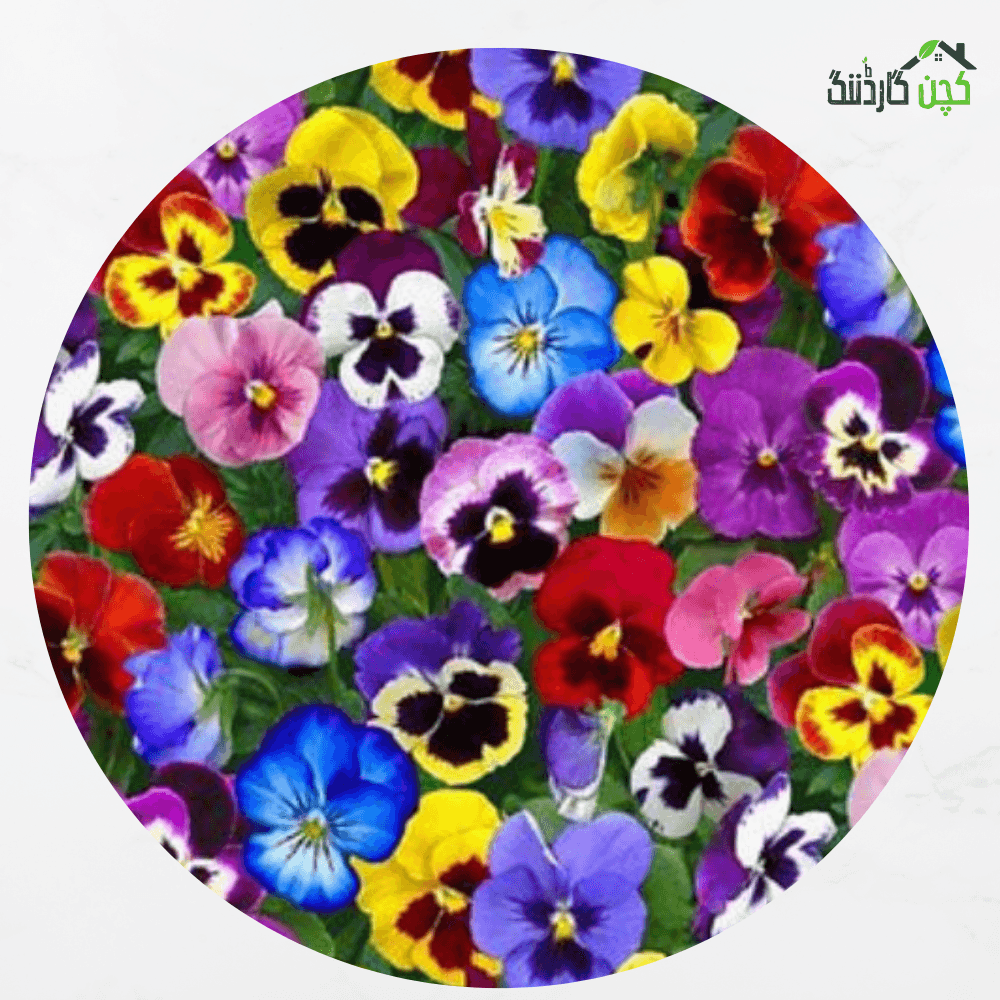
Pansy Viola Mix F1 Hybrid Flower Seeds in Pakistan – Buy Vibrant Winter Blooms Online | Perfect for Pots & Gardens | kitchengardening.pk (Pack Sizes Available)
₨ 250 – ₨ 750Price range: ₨ 250 through ₨ 750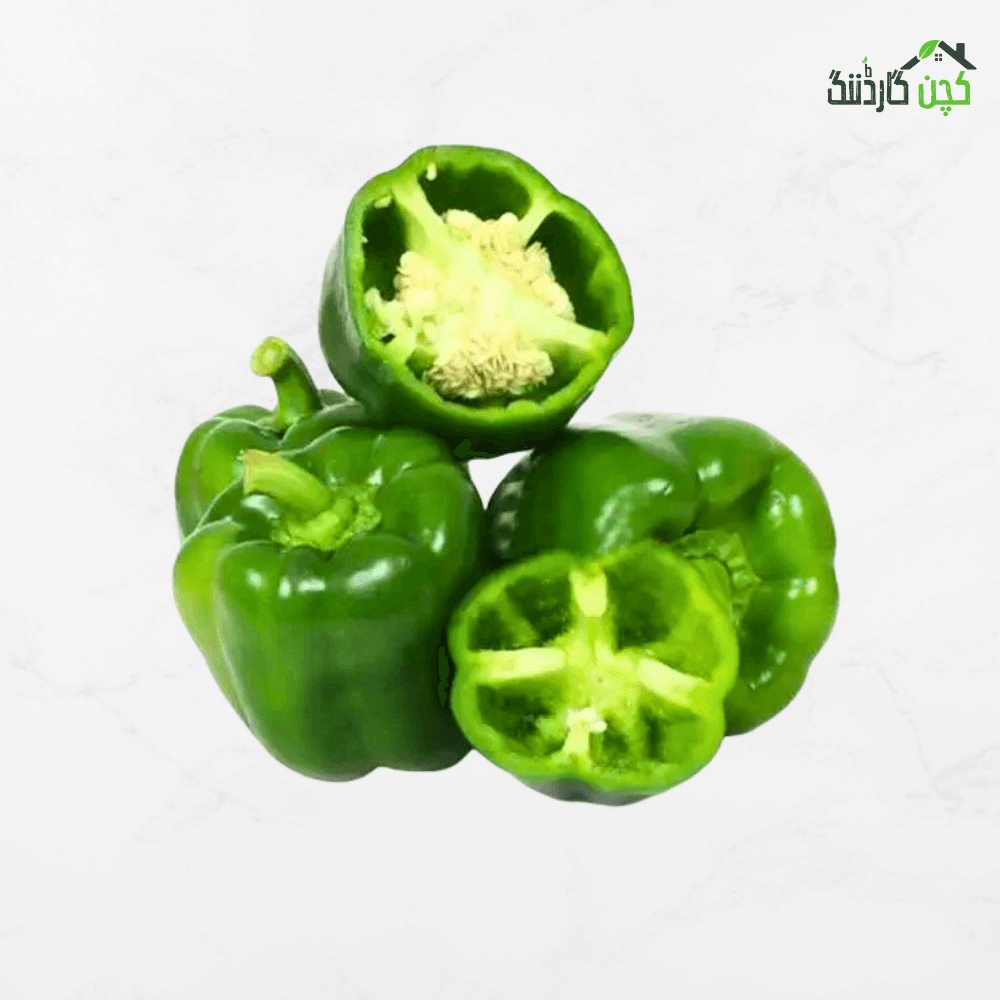
Green Capsicum Seeds in Pakistan – Buy Crunchy Green Shimla Mirch Online | Perfect for Your Kitchen Garden | kitchengardening.pk (25/50/100 Seeds)
₨ 250 – ₨ 750Price range: ₨ 250 through ₨ 750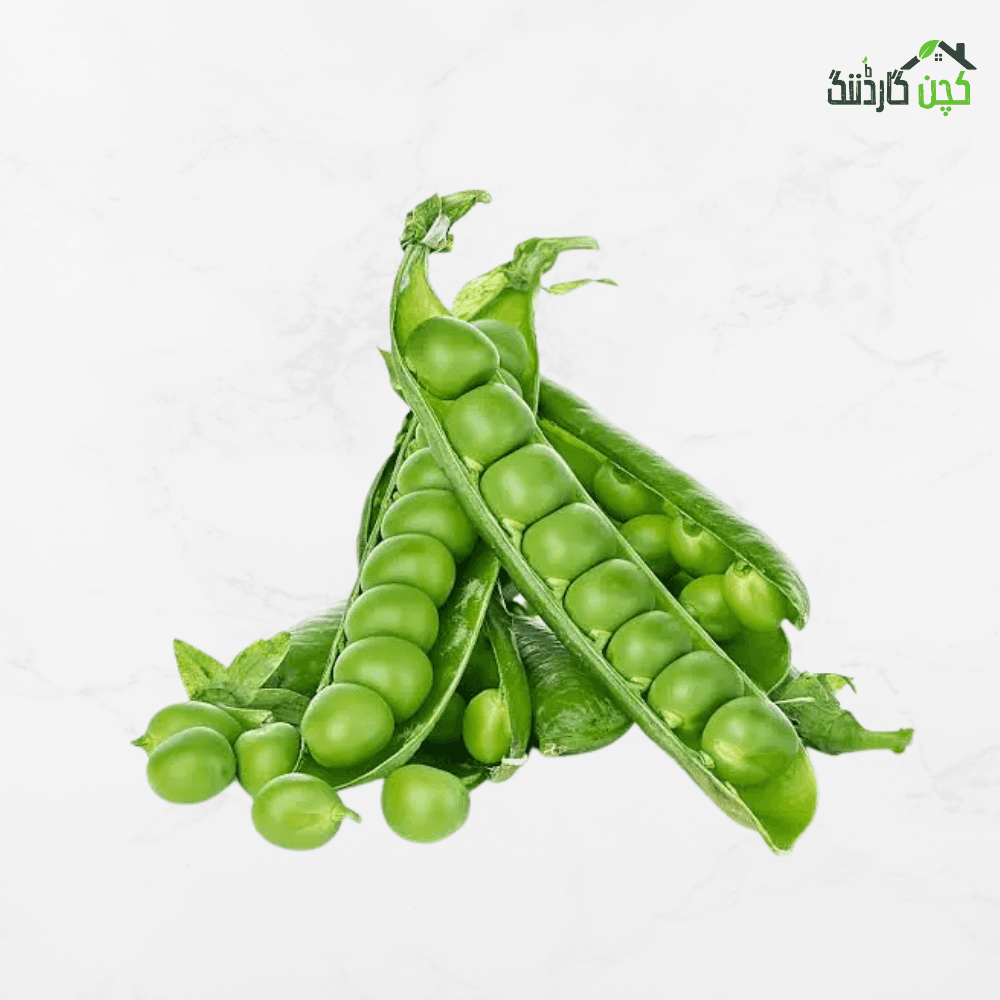
Green Peas (Matar) Seeds in Pakistan – Buy Healthy Green Peas Seeds Online | Kitchen Gardening | kitchengardening.pk (Pack Sizes Available)
₨ 250 – ₨ 750Price range: ₨ 250 through ₨ 750
Reviews
There are no reviews yet.