
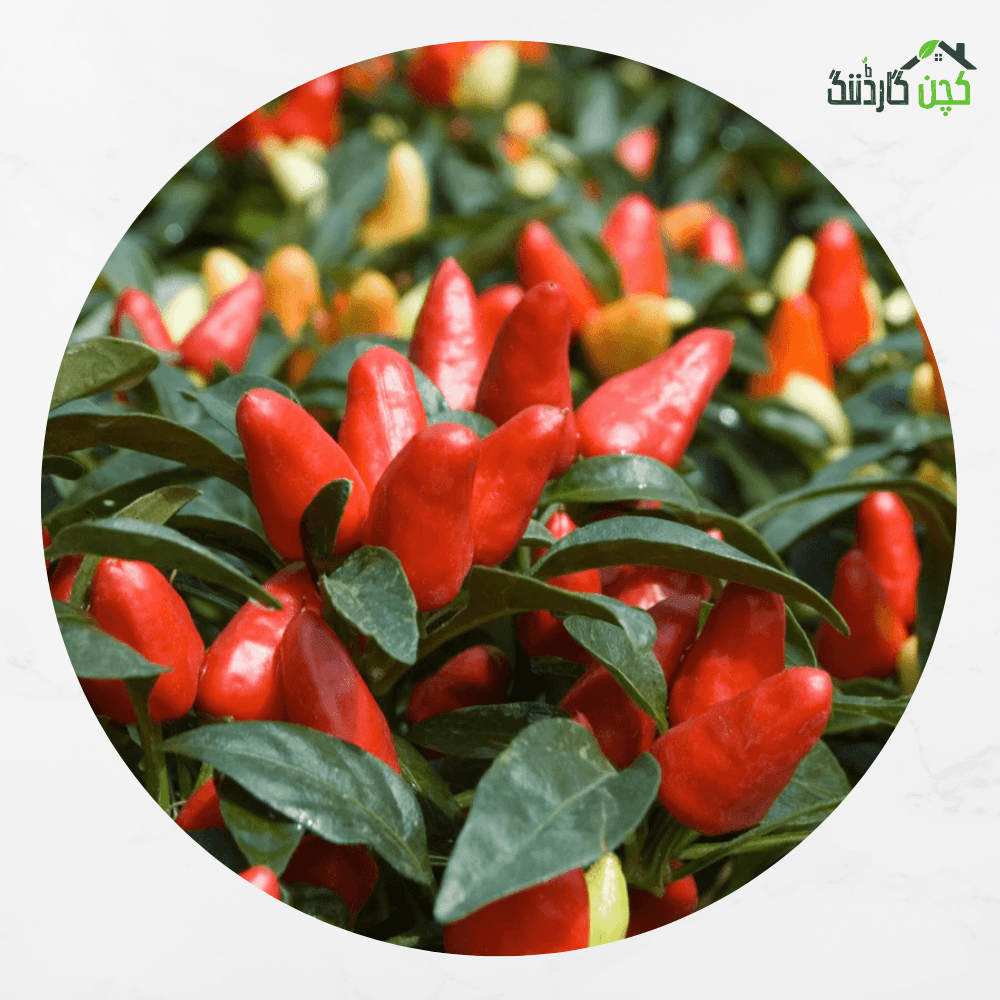
Ornamental Pepper Seeds in Pakistan – Buy Colorful Decorative Plants Online | Perfect for Gifting | kitchengardening.pk (25 Seeds / 50 Seeds / 100 Seeds)
Price range: ₨ 250 through ₨ 750
Grow stunning ornamental peppers that boast vibrant colors for your garden. Ideal for pots and borders, these seeds thrive beautifully in Pakistan’s climate.
Description
Ornamental Pepper Seeds Pakistan – Grow Vibrant Decorative Plants
Ornamental Pepper Seeds are a delightful addition to any garden, offering vibrant red, yellow, orange, and purple fruits. These compact, colorful plants are perfect for pots, borders, and decorative gardens, making them a favorite among Pakistani home gardeners. Their heat tolerance makes them ideal for balcony and rooftop gardens, allowing you to enjoy their beauty even in limited spaces. With a high germination rate and reliable growth, these seeds are a fantastic choice for both experienced and beginner gardeners.
📋 Product Details
| Product Name | Ornamental Pepper Seeds |
| Brand | kitchengardening.pk |
| Pack Sizes | 25 Seeds / 50 Seeds / 100 Seeds |
| Net Weight | 2g |
| Seed Type | Open Pollinated |
| Germination Rate | 90%+ |
| Days to Harvest | 60-80 days |
| Country of Origin | USA |
| WhatsApp Contact | +92-3237299060 |
🛠️ What You Need
- Minimum of 1-2 seeds per pot for optimal growth.
- 8-inch pot minimum for proper root development.
- Use well-draining potting mix or garden soil.
- Tools required: trowel, spray bottle, watering can, dibber.
- Fertilizer: a balanced NPK fertilizer is recommended after 3 weeks.
- Optional: shade net and drainage pebbles for moisture control.
- Best suited for: Backyard, Balcony, Rooftop, Window Sill, Open Field.
📋 Sowing Guide – Step by Step
- Seed Soaking Soak seeds in water for 24 hours to enhance germination.
- Soil Preparation Prepare a nutrient-rich, well-draining soil mix.
- Sowing Depth Sow seeds at a depth of 0.5-1 cm in the soil.
- Spacing Space seeds 15-20 cm apart for optimal growth.
- First Watering Water gently after sowing to avoid displacement.
- Germination Conditions Keep the soil moist and place in a warm area (20-25°C).
- Thinning Once seedlings have 2-3 leaves, thin them to the strongest plants.
- Transplanting Transplant seedlings when they reach 10-15 cm in height.
🪴 Soil Preparation
- Clear the area of weeds and debris before planting.
- Loosen the soil to a depth of about 20 cm for good root growth.
- Check for drainage; ensure water flows freely through the soil.
- Add 2-3 kg of well-decomposed compost per sq ft to enrich the soil.
- Level the soil surface to ensure even water distribution.
- Pre-water the area before planting to maintain moisture.
🧪 Soil Mix Formula
- 40% Garden Soil — provides essential minerals and base structure.
- 30% Compost — enriches soil with nutrients and improves fertility.
- 20% Perlite — enhances drainage and aeration in the soil mix.
- 10% Coco Coir — retains moisture while allowing roots to breathe.
- Target pH range: 6.0-7.0. Mix thoroughly before planting.
🌱 Germination & Growth Timeline
- Germination Days: 7-14 days.
- Ideal Temperature: 22-25°C is optimal for germination.
- Light Needs: Provide indirect sunlight for seedlings.
- Moisture Level: Keep the soil consistently moist but not soggy.
- Seedling Stage: Lasts approximately 2-4 weeks before transplanting.
- Vegetative Stage: Plants grow rapidly in 4-6 weeks.
- Flowering: Begins 2-3 months after planting.
- Days to First Harvest: Typically 60-80 days after sowing.
📅 Pakistan Planting Calendar
- Punjab (Lahore, Faisalabad, Sargodha, Multan): Best months are March-April for Spring and September-October for Autumn.
- Sindh (Karachi, Hyderabad): Ideal months are March-April and September-October.
- KPK (Peshawar, Abbottabad): Plant in March-April for Spring; September for Autumn.
- Balochistan (Quetta): Best planted in March-April.
- Northern Areas: Best months are April and September.
- Avoid planting in: December-February due to cold weather conditions.
☀️ Growing Conditions
- Soil pH: Preferably 6.0-7.0 for optimal growth.
- Sunlight: Require 6-8 hours of sunlight per day.
- Watering Frequency: Water 1-2 times a week, depending on weather.
- Temperature Range: Minimum 15°C, maximum 30°C.
- Humidity: Prefer moderate humidity levels.
- Spacing: Maintain 30-40 cm spacing between plants.
- Minimum Pot Depth: 8-10 inches for healthy root growth.
🌿 Fertilizer Plan
- Seedling Stage (Week 1-2): Apply a diluted liquid fertilizer at half strength.
- Vegetative Stage (Week 3-6): Use balanced NPK fertilizer every 2 weeks.
- Flowering Stage: Switch to a phosphorus-rich fertilizer to promote blooms.
- Fruiting Stage: Continue with balanced fertilizer every 3 weeks.
- What to Avoid: Do not over-fertilize as it can burn the plants.
🐛 Common Pests & Diseases
- Aphids (Gulabi): Symptoms include curling leaves and stunted growth. Organic solution: Spray with neem oil. Chemical option: Insecticidal soap. Prevention: Regularly inspect plants.
- Powdery Mildew (Safed Khushk): White powdery spots on leaves. Organic solution: Apply baking soda solution. Chemical option: Fungicide. Prevention: Ensure good air circulation.
- Spider Mites (Makri): Yellowing leaves and webbing. Organic solution: Introduce ladybugs. Chemical option: Miticides. Prevention: Maintain humidity levels.
- Whiteflies (Safed Makri): Yellowing leaves and sticky residue. Organic solution: Use yellow sticky traps. Chemical option: Insecticides. Prevention: Remove weeds nearby.
- Root Rot: Wilting and soggy roots. Organic solution: Improve drainage. Chemical option: Fungicides. Prevention: Avoid overwatering.
🌼 Companion Plants & Crops
- Basil: Enhances flavor and deters pests.
- Marigold: Attracts beneficial insects and repels harmful pests.
- Chives: Improves growth and flavor of nearby plants.
- Oregano: Provides ground cover and attracts pollinators.
- Tomatoes: Compatible and can share growing space effectively.
- AVOID: Potatoes – can compete for nutrients.
- AVOID: Fennel – may inhibit growth of peppers.
- AVOID: Peas – can stunt growth when planted nearby.
✂️ Harvesting & Fruiting Period
- Days from Sowing to Harvest: Typically 60-80 days.
- Visual Signs of Readiness: Fruits should be fully colored and firm to touch.
- Best Time of Day to Harvest: Early morning when temperatures are cooler.
- Tool/Technique: Use garden shears to cut the fruit without damaging the plant.
- Harvest Frequency: Every few days once they start ripening.
- Post-Harvest Handling: Store in a cool, dry place for up to a week.
🗓 Care & Maintenance Schedule
- Week 1-2: Water regularly, monitor for pests, ensure adequate sunlight.
- Week 3-4: Start fertilizing bi-weekly and prune any dead leaves.
- Month 2: Increase watering frequency during flowering stage.
- Month 3+: Continue routine care, inspect for pests weekly, and adjust watering as needed.
🏠 Indoor vs Outdoor Growing
- Indoor/Balcony: Need at least 6 hours of sunlight; pots should have drainage holes; advantages include easy access and protection from harsh weather; limitations include smaller space for growth.
- Outdoor/Garden: Require more spacing (30-40 cm); expected yield can be higher; water needs increase during hot spells.
- Rooftop: Ensure pots can withstand heat; use larger containers to retain moisture.
📦 Seed & Produce Storage
- Seed Storage: Keep in an airtight container in a cool, dry place; shelf life is 2-3 years.
- Harvested Produce Storage: Store in the fridge for 5-7 days; can also be dried for longer preservation.
- Drying/Preserving: For herbs, hang upside down in a dark, dry place until fully dried.
⚠️ Precautions
- Ensure adequate light to prevent leggy growth.
- Watch for pests regularly to avoid infestations.
- Do not overwater; it can lead to root rot.
- Use clean tools to prevent disease spread.
- Monitor soil moisture levels closely during hot weather.
- Always label your plants to track different varieties.
✅ Key Benefits
- Vibrant Colors — These ornamental peppers add a burst of color to any garden, making your space lively and attractive.
- Compact Growth — Ideal for small spaces, these plants grow well in pots and containers, making them perfect for balconies and rooftops.
- Heat Tolerance — These seeds thrive in Pakistan’s warm climate, ensuring successful growth even in the summer months.
- High Germination Rate — With a germination rate of over 90%, you can expect a plentiful harvest of beautiful plants.
- Easy to Grow — Perfect for both beginners and experienced gardeners, these seeds require minimal care while delivering stunning results.
- Great for Gifting — These colorful plants make perfect gifts for housewarmings, weddings, and other special occasions in Pakistan.
- Decorative Uses — Ornamental peppers can be used as attractive border plants or accent pieces in your garden design.
❓ Frequently Asked Questions
- What is the germination time for these seeds?
The germination time for ornamental pepper seeds is typically between 7 to 14 days under ideal conditions. - What is the minimum pot size required?
A minimum pot size of 8 inches in diameter is recommended for growing ornamental peppers effectively. - What is the best season for planting in Pakistan?
The best seasons for planting ornamental peppers in Pakistan are Spring and Autumn, when temperatures are moderate. - What common problems should I watch out for?
Common issues include pests like aphids and diseases such as powdery mildew. Regular inspection can help prevent these problems. - Can these peppers be eaten?
Yes, while they are primarily grown for decoration, ornamental peppers are edible but may be quite spicy.
🌱 Free Gardening Consultation
For expert advice on growing your plants, feel free to contact us at +92-3237299060. We’re here to help you succeed in your gardening journey.
Additional information
| size | 100 Seeds Per Pack, 25 Seeds Per Pack, 50 Seeds Per Pack |
|---|
Only logged in customers who have purchased this product may leave a review.
Related products
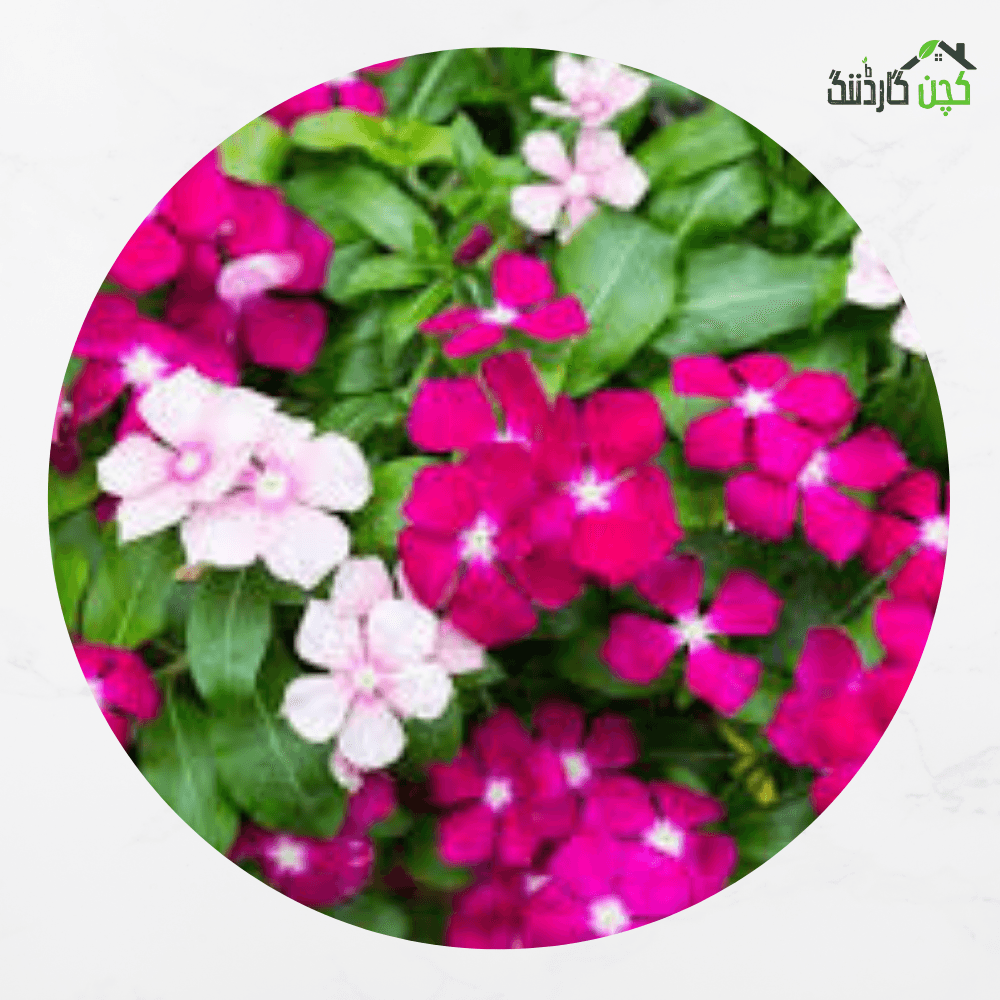
Vinca Tall Mix Flower Seeds in Pakistan – Buy Heat-Tolerant Vinca Seeds Online | Balcony & Garden Use | kitchengardening.pk (25/50/100 Seeds)
₨ 250 – ₨ 750Price range: ₨ 250 through ₨ 750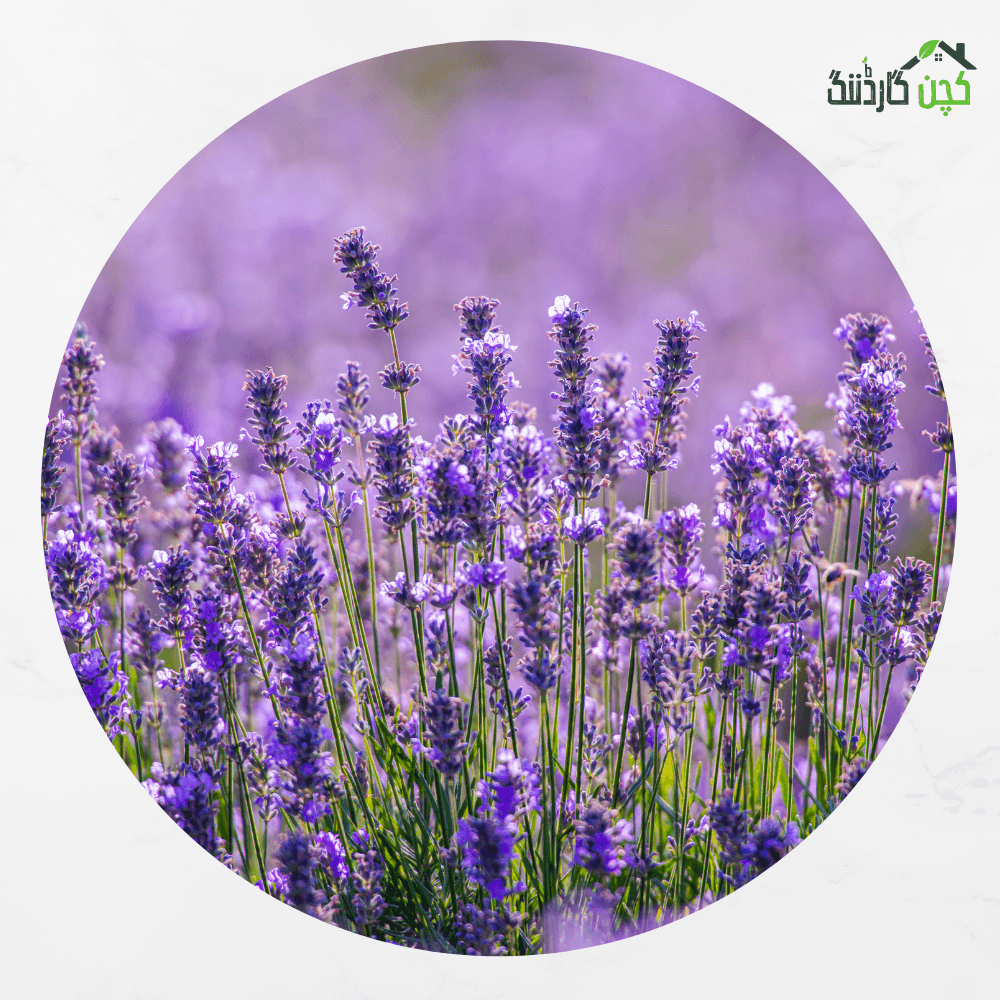
Lavender Seeds in Pakistan – Buy Fragrant Culinary & Medicinal Herb Online | Balcony Gardens | kitchengardening.pk (25/50/100 Seeds)
₨ 250 – ₨ 750Price range: ₨ 250 through ₨ 750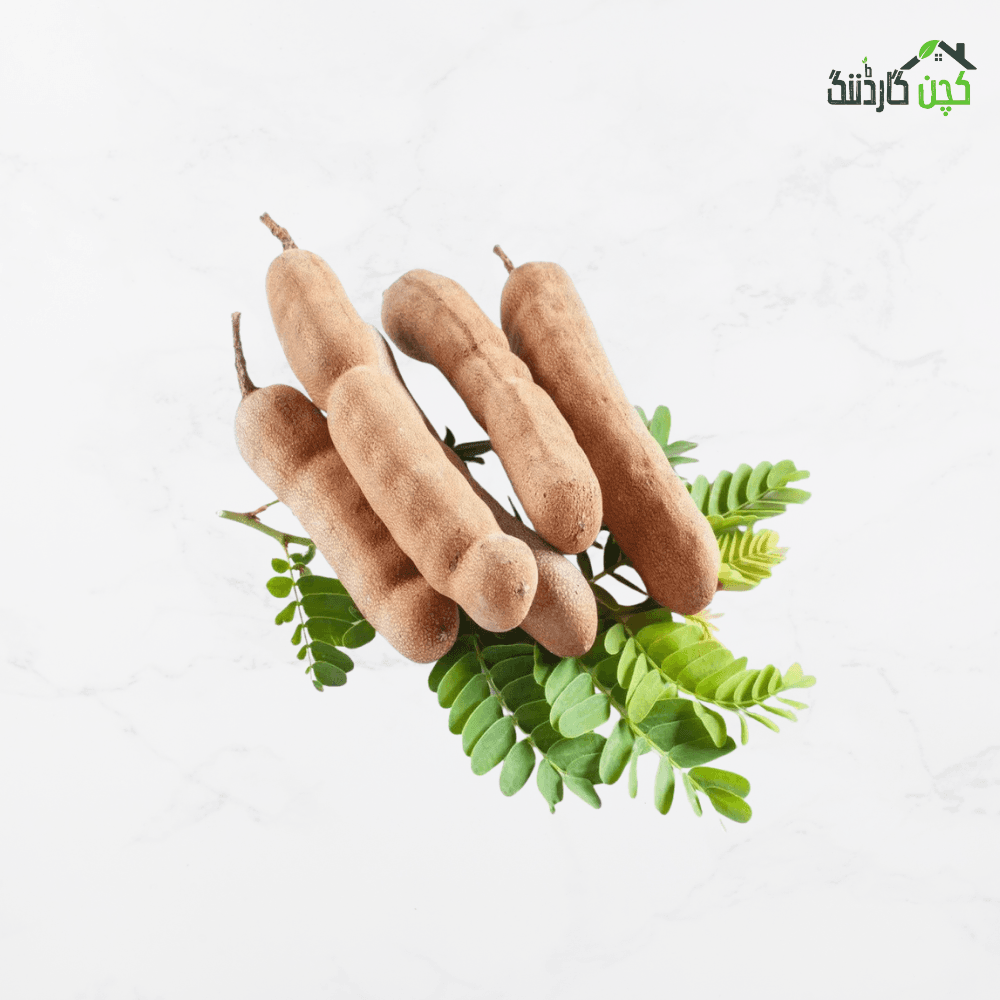
Tamarind Tree Seeds in Pakistan – Buy Quality Tamarind Seeds Online | Kitchen Gardens | kitchengardening.pk (25/50/100 Seeds)
₨ 250 – ₨ 750Price range: ₨ 250 through ₨ 750
Phoot Melon Seeds in Pakistan – Buy Refreshing Melons Online | Home Gardens | kitchengardening.pk (25/50/100 Seeds)
₨ 250 – ₨ 750Price range: ₨ 250 through ₨ 750
Reviews
There are no reviews yet.